Beyond the Dental Chair: What Astrology Can Teach Us About Patient-Centered Dentistry
Modern dentistry is increasingly shaped by sophisticated technology. Digital scanners, 3D imaging, CAD/CAM systems, and AI-assisted diagnostics have transformed how professionals...
Written by Mantas Petraitis
Read time: 3 min read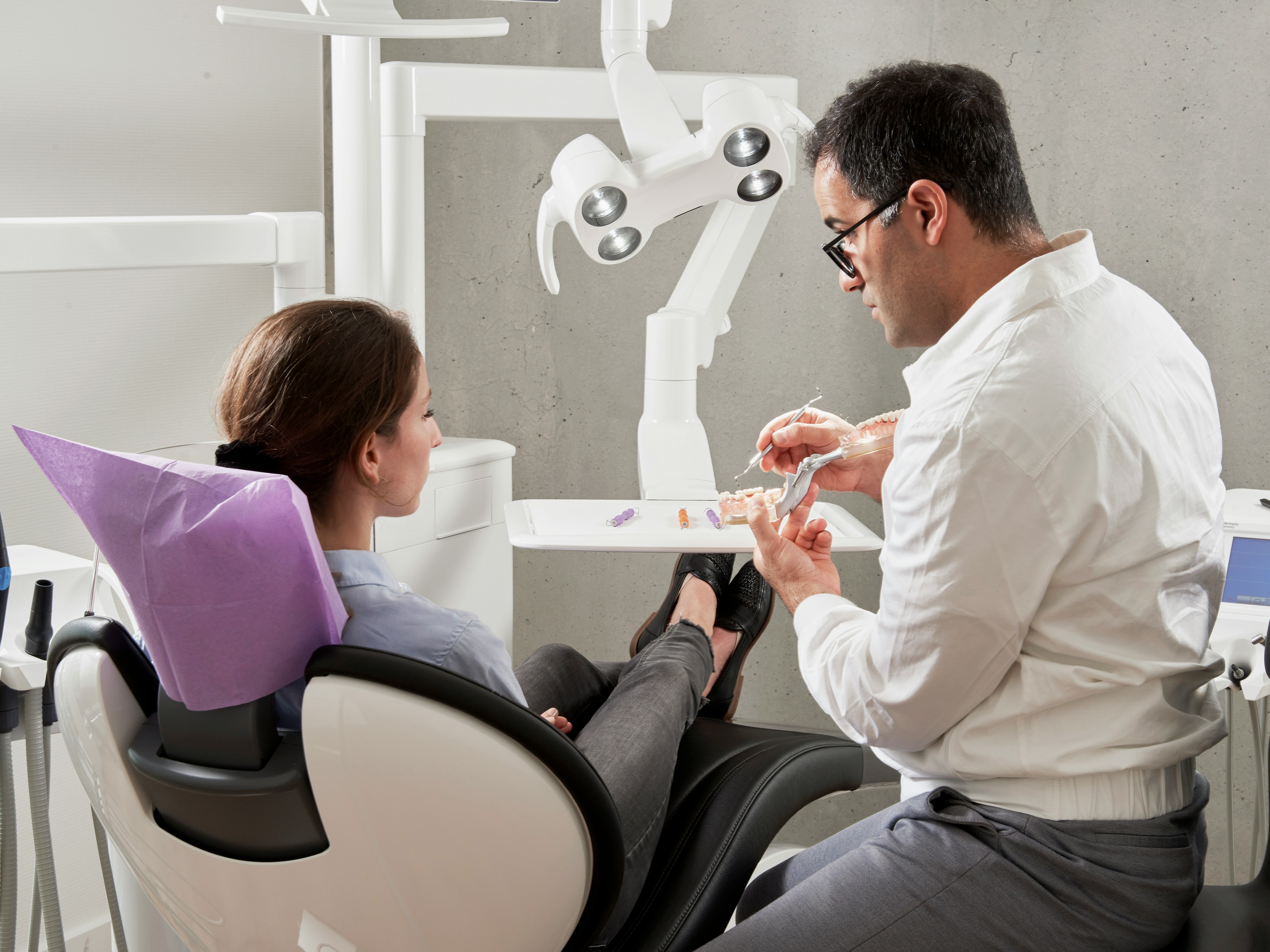
Modern dentistry is increasingly shaped by sophisticated technology. Digital scanners, 3D imaging, CAD/CAM systems, and AI-assisted diagnostics have transformed how professionals examine patients, plan treatments, and deliver care. Yet even the most advanced equipment cannot address every factor that influences a patient's experience. Anxiety, trust, communication, and the feeling of being understood remain central to successful dental care.
This raises an interesting question: what can seemingly unrelated fields, such as astrology and personality exploration, teach us about the human side of dentistry? While astrology has no established role in clinical diagnosis or treatment planning, its popularity reflects a broader interest in understanding individual differences. That interest offers an unusual perspective on how dental professionals can build stronger relationships with patients.
Technology Can Improve Treatment, but Relationships Shape the Experience
Dental technology is often evaluated through measurable criteria: accuracy, speed, durability, workflow compatibility, and cost. These factors are essential when choosing equipment, but they represent only part of the clinical picture.
Consider two patients receiving the same procedure. One may be comfortable with detailed explanations and technical terminology. Another may feel overwhelmed by unfamiliar instruments, clinical images, or discussions of potential complications. The equipment and treatment plan might be identical, but the communication required to make each patient feel comfortable can be very different.
The Limits of a One-Size-Fits-All Approach
Digital dentistry helps standardize many technical processes, but patient interactions still require flexibility. A scanner can produce a precise impression, and imaging software can help visualize a treatment plan, but neither can independently determine how much reassurance a particular patient needs.
Dental professionals can benefit from paying attention to individual communication preferences. Some patients appreciate detailed explanations, while others prefer concise information and clear next steps. Recognizing these differences can make consultations more productive and help reduce unnecessary stress.
Empathy as Part of Clinical Quality
Patient-centered care does not replace technical expertise. Instead, it complements it. A technically successful procedure may still leave a patient dissatisfied if they felt ignored, rushed, or confused throughout the process.
This is particularly relevant for people with dental anxiety. Listening carefully, explaining procedures in accessible language, and allowing time for questions can make the clinical environment feel more predictable and manageable.
What Astrology Reveals About the Appeal of Personal Understanding
Astrology has attracted interest for centuries because it offers a symbolic framework for exploring personality, relationships, and individual tendencies. People often turn to natal charts and horoscopes not because they expect medical answers, but because they enjoy reflecting on their behavior, emotions, and connections with others.
In a dental context, astrology should never determine clinical decisions, assess a patient's health, or influence professional judgments. However, the popularity of personalized astrology services highlights something worth considering: people value experiences that acknowledge them as individuals rather than treating them as interchangeable profiles.
HintApp and the Search for Individual Perspectives
One example is HintApp, a service centered on astrology, natal charts, horoscopes, and relationship compatibility. It gives users an opportunity to explore symbolic interpretations of personality and personal connections.
Its appeal illustrates how digital services can make personalized experiences accessible. Users can engage with astrological content at their own pace, explore questions about relationships, and consider perspectives that might encourage self-reflection.
A personal account shared on Reddit describes how using the service became an unexpected point of interest even for someone initially skeptical of astrology. The story can be explored in this Hint App discussion. It is an anecdotal experience rather than scientific evidence, but it demonstrates how an engaging digital experience can encourage curiosity and conversation.
Three Lessons Dental Practices Can Borrow from Personalized Digital Services
The connection between astrology platforms and dental technology may seem unconventional, but both operate in an environment where people expect digital convenience alongside a sense of personal attention.
There are several practical lessons dental practices can take from this trend.
1. Make Information Feel Personal
Digital treatment plans, imaging results, and educational materials are most useful when patients understand how they relate to their individual circumstances. Instead of presenting technical data without context, practitioners can explain what the information means for a specific treatment and why a particular recommendation has been made.
2. Give Patients More Control
Personalized digital services allow users to explore information independently. Dental practices can apply a similar principle by providing accessible educational resources, online appointment management, and clear explanations patients can revisit after consultations.
This approach supports informed participation without transferring clinical responsibility to patients.
3. Recognize Emotional Differences
Not every patient responds to treatment discussions in the same way. Some want to understand every technical detail; others need reassurance before they can focus on the procedure itself.
A short conversation about concerns, expectations, and preferred communication styles can help practitioners adapt their approach without making assumptions about personality or background.
Choosing Dental Technology with the Human Factor in Mind
When evaluating new equipment, dental professionals naturally focus on specifications and financial considerations. Yet usability and patient experience deserve equal attention.
A useful evaluation framework includes:
Clinical performance: Does the technology deliver reliable and accurate results?
Workflow integration: Can it work efficiently with existing systems and procedures?
Staff experience: Is the equipment intuitive enough to support consistent use?
Patient communication: Does it help practitioners explain findings and treatment options?
Long-term value: Will its benefits justify the investment over time?
For example, an intraoral scanner may improve the impression-taking process, but its value also depends on how effectively clinicians use the resulting images to explain treatment options. Technology becomes more meaningful when it supports communication rather than simply adding another digital step.
The Future of Dentistry Is Both Technical and Human
The next generation of dental innovation will likely bring more automation, artificial intelligence, connected devices, and increasingly detailed diagnostic tools. These developments may improve efficiency and expand treatment possibilities, but they will not eliminate the need for trust and empathy.
The growing interest in personalized digital experiences, including services such as HintApp, reflects a wider expectation that technology should help people feel understood. Astrology remains a symbolic practice rather than a clinical science, and its applications should stay separate from evidence-based dental care. Nevertheless, the human desire for individual attention is relevant across both fields.
Ultimately, the best dental technology is not simply the equipment with the most impressive specifications. It is technology that helps professionals deliver better care while making patients feel informed, respected, and comfortable. The future of dentistry will depend not only on how precisely clinicians can treat teeth, but also on how thoughtfully they can care for the people behind every smile.
Frequently Asked Questions
Why is empathy important in modern dentistry?
Empathy helps dental professionals understand patients' concerns, reduce anxiety, and build trust. While advanced technology improves diagnostic accuracy and treatment efficiency, compassionate communication ensures patients feel heard, informed, and comfortable throughout their dental care.
How can dental technology improve patient-centered care?
Digital scanners, 3D imaging, and AI-assisted diagnostics can help dentists explain conditions and treatment options more clearly. When combined with personalized communication, these technologies can improve patient understanding, support informed decisions, and create a more comfortable dental experience.
Can astrology help dentists understand their patients?
Astrology has no scientific basis for predicting patient behavior or guiding dental treatment. However, people's interest in astrology and personality exploration highlights the appeal of personalized experiences. Dentists can apply this broader principle by listening to individual concerns and adapting their communication to each patient's needs.