Dental Reviewed
Practice Management

Dental Chart Explained: Tooth Numbering and Periodontal Charts

Every accurate diagnosis, every defensible treatment plan, every successful case presentation traces back to a single document: the dental chart. Whether captured on paper or...

Written by Maren Solvik

Read time: 7 min read
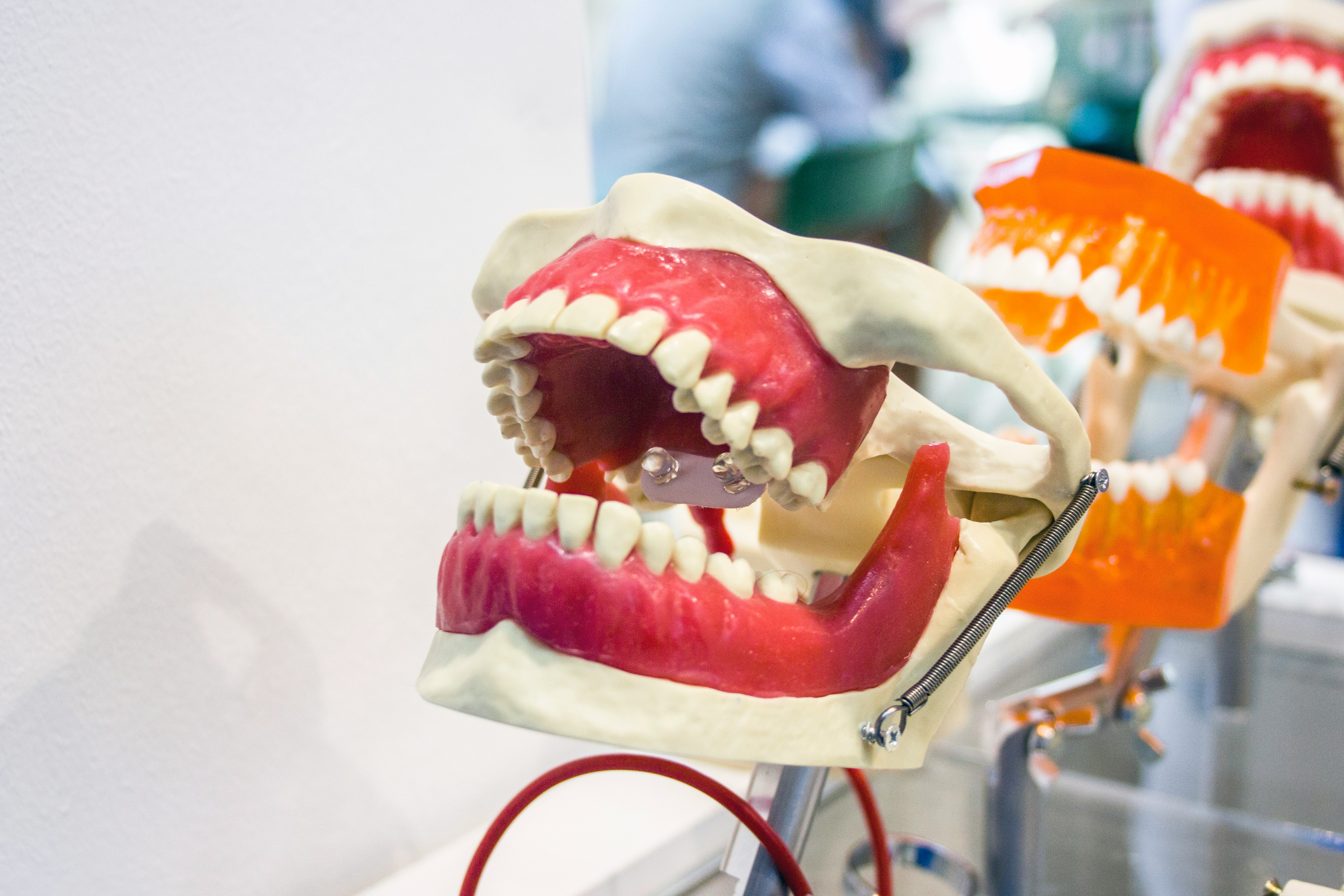
Dental Chart Explained: Tooth Numbering and Periodontal Charts

Every accurate diagnosis, every defensible treatment plan, every successful case presentation traces back to a single document: the dental chart. Whether captured on paper or rendered in modern software, this record translates clinical observations into a structured language that any qualified clinician can read, audit, and act on with confidence.

TL;DR

  • A complete dental chart combines an odontogram (restorative findings), a periodontal chart, and a sequenced treatment plan, all anchored to a tooth numbering system.

  • Three notation systems dominate global practice: the Universal Numbering System (1–32, ADA standard), the FDI two-digit notation (ISO 3950), and Palmer notation, still common in UK orthodontic practice.

  • Periodontal charting captures six measurements per tooth, feeding directly into the 2017 World Workshop staging and grading framework that defines modern periodontitis diagnosis.

  • Modern dental software unifies charting, classification, and CDT code mapping, turning the chart into the working spine of every treatment plan.

What Is a Dental Chart?

A dental chart is a structured clinical record that maps every tooth's condition, every restoration in place, every missing or unerupted unit, every periodontal measurement, and every planned or completed procedure. Three distinct layers sit within a single record:

  • The odontogram captures the restorative status of each tooth surface.

  • The periodontal chart records site-level data around the periodontium.

  • The treatment plan translates findings into a sequenced clinical workflow with associated procedure codes and fees.

Charts may be hand-drawn on paper or generated in dental software, and the move toward digital records has accelerated across most jurisdictions. Major software platforms now offer interactive odontograms, color-coded surface annotations, automated clinical attachment level calculations, and integrated radiographic overlays.

A comprehensive dental chart serves four distinct functions: clinical diagnosis, treatment planning, longitudinal monitoring, and medicolegal documentation. Each function depends on consistent notation and accurate data capture. A chart with ambiguous symbols or inconsistent numbering creates downstream errors that ripple through every subsequent visit, every insurance claim, and every referral.

If you are looking for some guidance, our team has a step-by-step dental charting guide for professionals that walks through the standard clinical workflow.

The Anatomy of an Adult Tooth Chart: Tooth Names and Positions

Adult dentition contains 32 permanent teeth distributed across four quadrants: maxillary right, maxillary left, mandibular left, and mandibular right. Each quadrant holds eight teeth in a complete arch. Working from the midline outward, the eight positions in any quadrant are:

Position from midline

Tooth name

Also called

Function group

1

Central incisor

Anterior

2

Lateral incisor

Anterior

3

Canine

Cuspid

Anterior

4

First premolar

First bicuspid

Posterior

5

Second premolar

Second bicuspid

Posterior

6

First molar

Posterior

7

Second molar

Posterior

8

Third molar

Wisdom tooth

Posterior

The functional groupings matter for treatment planning. Anterior teeth (incisors and canines) handle incising and tearing. Posterior teeth (premolars and molars) handle grinding and bolus formation. Occluding pairs share force across the arch, and the loss of any single tooth alters load distribution on every neighboring unit.

A complete adult teeth chart shows all 32 positions, even when several teeth are absent, since position notation must remain consistent across visits and providers. Anatomical naming drives terminology in clinical notes, referrals, and patient communication – "tooth number 14" gives precise information to a colleague, "upper left first molar" gives accessible information to the patient. A complete record uses both fluently.

How to Understand the Numbering System for Teeth

Three major tooth numbering systems coexist in global dental practice. Each was developed independently, each serves a particular geographic or specialty niche, and each remains in active use today. Fluency in all three protects clinicians who refer patients across borders, read international research, or onboard staff trained in different systems.

Universal Numbering System (UNS): The ADA Standard

The Universal Numbering System assigns permanent teeth numbers 1 through 32, beginning at the maxillary right third molar and ending at the mandibular right third molar. The American Dental Association adopted it as the national standard for the United States, and it remains the dominant notation across North America. Primary teeth use letters A through T following the same directional logic.

The count moves in a continuous loop: upper arch right to left (1–16), then lower arch left to right (17–32). The following tooth numbers appear frequently in clinical conversations and treatment planning:

UNS number

Tooth

Clinical note

1

Maxillary right third molar

Counting starts here

3

Maxillary right first molar

Common site for RCT and crowns

8

Maxillary right central incisor

Aesthetic centerpiece

9

Maxillary left central incisor

Aesthetic centerpiece; common implant discussion

14

Maxillary left first molar

15

Maxillary left second molar

16

Maxillary left third molar

End of upper arch

17

Mandibular left third molar

Start of lower arch; commonly extracted

19

Mandibular left first molar

Statistically most restored adult tooth

30

Mandibular right first molar

Statistically most restored adult tooth

32

Mandibular right third molar

Commonly extracted; counting ends here

A common point of confusion involves the distal-mesial relationship in the lower arch. The numbering moves in the same direction the eye scans the mandibular arch from the patient's left to the patient's right when viewed from the chin upward. Supernumerary and missing teeth receive notation conventions that vary by software, often using a strikethrough or X overlay to indicate absence.

FDI World Dental Federation Notation (ISO 3950)

The FDI two-digit notation, formalized in ISO 3950, is the international standard and the default in most non-US dental software. The FDI World Dental Federation maintains the system, and most dental literature published outside North America uses it. Many cross-border referrals depend on its consistent application.

The first digit identifies the quadrant; the second identifies the tooth position counted from the midline outward. Quadrant numbering runs clockwise from the dentist's perspective:

First digit

Location

Dentition

Tooth range

1

Upper right

Permanent

11–18

2

Upper left

Permanent

21–28

3

Lower left

Permanent

31–38

4

Lower right

Permanent

41–48

5

Upper right

Primary

51–55

6

Upper left

Primary

61–65

7

Lower left

Primary

71–75

8

Lower right

Primary

81–85

Worked examples across both permanent and primary dentitions:

FDI code

Tooth

UNS equivalent

11

Upper right central incisor

8

21

Upper left central incisor

9

36

Lower left first molar

19

46

Lower right first molar

30

38

Lower left third molar

17

48

Lower right third molar

32

51

Upper right primary central incisor

E

65

Upper left primary second molar

J

75

Lower left primary second molar

K

85

Lower right primary second molar

T

The FDI system has practical advantages for software internationalization, research publication, and practices that handle patients from multiple jurisdictions. Practices considering a software switch should confirm it supports both Universal and FDI display, since team members trained in either system must remain productive from day one.

Palmer Notation Method

The Palmer notation method, also called the Zsigmondy-Palmer system, uses a quadrant bracket combined with a tooth number from 1 to 8 counted from the midline outward. Primary teeth use letters A through E. Developed in the 19th century, the system remains common in UK orthodontic practice, oral and maxillofacial surgery, and parts of Commonwealth dental practice.

A typical Palmer notation pairs a tooth number with a small angle bracket indicating the quadrant. The upper right central incisor is a 1 with an upper-right bracket; the lower left first molar is a 6 with a lower-left bracket. The system presents typographic challenges for many electronic health record platforms, which has accelerated migration toward FDI notation even in traditional Palmer markets. Practices that work with British or Commonwealth-trained associates should support Palmer notation in their workflows or provide clear conversion references during onboarding.

Quick Conversion Reference Across All Three Systems

The table below maps key teeth across all three systems. Clinicians moving between practices or platforms benefit from keeping a printed version at the chairside until the mappings become automatic.

Tooth

Universal (UNS)

FDI

Palmer

Upper right central incisor

8

11

UR1

Upper left central incisor

9

21

UL1

Upper right first molar

3

16

UR6

Upper left first molar

14

26

UL6

Lower left first molar

19

36

LL6

Lower right first molar

30

46

LR6

Lower left third molar

17

38

LL8

Lower right third molar

32

48

LR8

Primary (Deciduous) Teeth Chart and Pediatric Numbering

Primary dentition contains 20 deciduous teeth, divided into the same four quadrants as the permanent dentition. Each quadrant contains a central incisor, lateral incisor, canine, first primary molar, and second primary molar. Primary teeth begin erupting around six months of age and are typically replaced by permanent successors between ages six and twelve.

The Universal system assigns letters A through T to primary teeth, following the same directional loop as permanent dentition. The FDI system uses two-digit codes from 51 to 85, with quadrant digits 5 through 8 for primary quadrants. Key primary teeth that appear frequently in pediatric treatment planning:

UNS letter

FDI code

Tooth

Clinical note

A

55

Upper right second primary molar

Start of UNS primary count

J

65

Upper left second primary molar

K

75

Lower left second primary molar

Common site for stainless steel crowns after pulp therapy

T

85

Lower right second primary molar

Often involved in space maintenance; end of UNS primary count

Mixed dentition charting presents its own complications. A six-year-old with erupting first permanent molars and intact primary anteriors needs both permanent and primary notations on a single chart. Most modern software offers a mixed dentition view that displays both simultaneously and flags unerupted permanent successors for space monitoring. The dental assistant or hygienist who charts pediatric patients regularly should be trained on the practice's mixed-dentition conventions during their first week.

If you are looking for dental assistant responsibilities, our guide covers common charting tasks for clinical support staff.

Reading and Interpreting Dental Chart Symbols

A dental chart communicates through symbols, colors, and shorthand conventions. Most major software platforms have converged on a core set of visual conventions, though minor variations exist between vendors. Reading any chart fluently requires familiarity with these conventions and a willingness to check the platform's legend for unfamiliar markings.

Color Conventions

Color

Meaning

Blue or black

Existing restoration, already in place and serving the tooth

Red

Planned treatment, prescribed but not yet completed

Green

Work completed during the current visit, pending chart finalization (some platforms)

Yellow

Watch area, finding under observation; no immediate intervention needed

Symbol Conventions

Symbol or marking

Meaning

Filled or outlined surfaces (blue/black)

Existing restoration; material code noted nearby (PFM, Zr, EMax, composite)

Full-coverage outline around crown

Crown restoration

Large X over tooth space

Missing tooth (also shown as grayed-out icon)

Dashed outline or partial fill

Unerupted or impacted tooth

Screw icon or I notation

Implant

Vertical line or filled canal space through root

Endodontically treated tooth

Red dot, stippled fill, or shaded surface

Carious lesion (appearance varies by software)

Yellow W flag

Watch area, monitor, no immediate treatment

To illustrate how these work together: a patient with a completed mesial-occlusal-distal composite on tooth 19 and a new distal lesion to monitor on tooth 18 would show tooth 19 with blue MOD shading and a CO material code, and tooth 18 with a small red dot on the distal surface and a yellow W watch flag. Anyone reading that chart understands at a glance that one tooth has a completed restoration and the adjacent tooth needs continued monitoring.

Understanding Dental Abbreviations and Codes

Dental charting depends on a compact set of abbreviations that allow clinicians to record complex findings in seconds. Familiarity with these abbreviations accelerates charting, reduces documentation errors, and improves communication across the clinical team.

Tooth Surface Abbreviations

Abbreviation

Surface

Applicable teeth

M

Mesial, faces the midline

All

D

Distal, faces away from midline

All

O

Occlusal, biting surface

Posterior (premolars and molars)

I

Incisal, cutting edge

Anterior (incisors and canines)

B or F

Buccal or facial, cheek/lip side

All

L

Lingual, tongue side

Mandibular teeth

P

Palatal, palate side

Maxillary teeth

Procedure and Finding Abbreviations

Abbreviation

Meaning

PFM

Porcelain fused to a metal crown

FGC

Full gold crown

RCT

Root canal treatment

EXT

Extraction

IMP

Implant

BWX

Bitewing radiographs

PA

Periapical radiograph

FMX

Full mouth radiographic series

OHI

Oral hygiene instruction

SRP

Scaling and root planing

PAR

Periapical radiolucency

CAL

Clinical attachment level

BOP

Bleeding on probing

PD

Probing depth

REC

Recession

MGJ

Mucogingival junction

FGM

Free gingival margin

FUR

Furcation involvement

MOB

Mobility

Common CDT Codes

The American Dental Association maintains the Current Dental Terminology (CDT) code set, which updates annually and serves as the standard procedural language for insurance claims and treatment records in the United States. The following codes appear regularly on charted dental treatment plans:

CDT code

Procedure

D0150

Comprehensive oral evaluation

D0180

Comprehensive periodontal evaluation

D1110

Adult prophylaxis

D3330

Endodontic therapy, molar

D2740

Crown, porcelain, or ceramic

D2750

Crown, porcelain fused to a high-noble metal

D2950

Core buildup

D4341

Scaling and root planing, four or more teeth per quadrant

D4342

Scaling and root planing, one to three teeth per quadrant

D4346

Scaling in the presence of generalized moderate or severe gingival inflammation

D4910

Periodontal maintenance

Always document with the abbreviations and codes that the specific software recognizes, since automated code suggestion and insurance claim mapping depend on precise alignment.

Purpose of a Periodontal Chart in a Dental Examination

A periodontal chart records site-specific data around the periodontium – the supporting structures of every tooth. While the odontogram records what each crown looks like, the periodontal chart records how the bone and soft tissue surrounding each root behave under standardized examination.

Every periodontal chart captures six measurement sites per tooth: three on the buccal surface (mesiobuccal, mid-buccal, distobuccal) and three on the lingual surface (mesiolingual, mid-lingual, distolingual). Per-tooth observations include mobility grading, furcation involvement, mucogingival defects, and the width of attached keratinized tissue.

The clinical value of complete periodontal charting extends across every phase of patient management:

  • Establishes a baseline against which all future measurements compare, enabling tracking of disease progression or response to therapy.

  • Produces the data needed for periodontitis staging and grading per the 2017 World Workshop classification.

  • Supports defensible referral letters to periodontists.

  • Generates documentation required for insurance coverage of scaling and root planing, periodontal surgery, and maintenance.

  • Forms a medicolegal record in the event of a complaint or claim.


Dental Reviewed reviews specific periodontal therapy adjuncts, including the PerioChip insert for periodontal therapy, which clinicians may consider as part of localized chemotherapeutic treatment alongside conventional non-surgical periodontal therapy.

Periodontal Screening and Recording (PSR)

Periodontal Screening and Recording (PSR) is a rapid sextant-based screening protocol developed jointly by the American Academy of Periodontology and the American Dental Association. The UK equivalent is the Basic Periodontal Examination (BPE), maintained by the British Society of Periodontology. Both protocols use specialized probes with color-coded reference bands to deliver a fast assessment that signals whether full charting is warranted.

The dentition is divided into six sextants: upper right posterior, upper anterior, upper left posterior, lower left posterior, lower anterior, and lower right posterior. Each sextant receives a code from 0 through 4, with an asterisk appended for complicating findings:

Code

Finding

Probe band

Typical action

0

Healthy, no bleeding, no calculus, no defective margins

Fully visible

Routine recall

1

Bleeding on probing; no calculus or defective margins

Fully visible

OHI and recall

2

Calculus or defective restoration margins present

Fully visible

Remove deposits; address margins

3

Pocket depth 3.5–5.5 mm

Partially obscured

Comprehensive periodontal assessment

4

Pocket depth > 5.5 mm

Fully obscured

Full six-point periodontal chart

*

Furcation involvement, mobility ≥ 1 mm, mucogingival problem, or recession > 3.5 mm

Variable

Full six-point chart; consider specialist referral

Any code 3 in two or more sextants, any code 4 in any sextant, or any asterisk triggers a full six-point periodontal chart for that visit. PSR is appropriate as a screening tool at most recall visits, but full charting must be performed at intervals appropriate to each patient's risk profile and diagnosis.

The Six-Point Periodontal Chart: How to Read It

A six-point periodontal chart presents a structured grid of measurements for every tooth in the dentition. Each row represents a tooth, each set of columns represents the six probing sites, and additional columns record per-tooth observations such as mobility and furcation. Reading one fluently requires a systematic approach.

Site-Level Measurements: Recorded At All Six Sites Per Tooth

Measurement

Definition

Healthy baseline

Probing depth (PD)

Distance in mm from the gingival margin to the base of the sulcus or pocket

≤ 3 mm; 4 mm may suggest pseudo-pocketing or early disease

Gingival margin position

Location of free gingival margin relative to the cementoenamel junction (CEJ)

At or coronal to CEJ (sign convention varies by software, confirm before charting)

Clinical attachment level (CAL)

Probing depth plus recession; direct measure of supporting tissue loss

No loss; the primary diagnostic measurement in modern periodontology

Bleeding on probing (BOP)

Binary observation, present or absent at each site

Absent; high BOP percentage across the dentition indicates active inflammation

Suppuration

Binary, pus present or absent at each site

Absent

Software conventions for the sign of gingival margin measurements differ between platforms. A new team member should always confirm the convention before charting independently. In most software, CAL is calculated automatically as the sum of probing depth and recession, and it is the single most diagnostic measurement in modern periodontology since it directly reflects true loss of supporting tissue.

Per-Tooth Observations

Miller grade

Definition

0

Physiologic mobility, within normal limits

1

Horizontal mobility ≤ 1 mm

2

Horizontal mobility > 1 mm

3

Vertical or depressible mobility

Furcation Involvement

Furcation involvement is graded on either the Glickman scale or the Hamp classification, with the entry point (buccal, mesial, distal, or lingual) noted separately.

Classification

Grade / Degree

Description

Glickman

Class I

Beginning furcation involvement, slight bone loss into the furcation area

Glickman

Class II

Partial involvement, probe enters but does not pass through

Glickman

Class III

Through-and-through, probe passes completely through

Glickman

Class IV

Through-and-through with gingival recession exposing the furcation clinically

Hamp

Degree I

Horizontal tissue loss ≤ 3 mm

Hamp

Degree II

Horizontal loss > 3 mm but not through-and-through

Hamp

Degree III

Through-and-through horizontal loss

Mucogingival junction position and the width of attached keratinized tissue are recorded for sites where mucogingival surgery may be considered.

A consistent charting sequence reduces missed sites. Many clinicians proceed from the upper right quadrant to the upper left, then to the lower left, then to the lower right, charting buccal surfaces first and lingual surfaces second. Voice-driven systems depend heavily on this fixed sequence to interpret hands-free input accurately.

Periodontal Classification: Staging and Grading

The 2017 World Workshop on the Classification of Periodontal and Peri-Implant Diseases and Conditions, jointly convened by the American Academy of Periodontology and the European Federation of Periodontology, established the current global standard for periodontitis classification. The previous 1999 system was replaced because it failed to capture the rate of disease progression and lacked a clear linkage to systemic risk factors.

Staging: Severity and Complexity at Diagnosis

Stage

Name

Interdental CAL

Key complexity factors

I

Initial periodontitis

1–2 mm

None

II

Moderate periodontitis

3–4 mm

No furcation Class II/III; probing depths ≤ 5 mm

III

Severe — potential tooth loss

≥ 5 mm

Probing depths ≥ 6 mm; vertical bone defects ≥ 3 mm; furcation Class II or III; moderate ridge defects

IV

Advanced — extensive tooth loss

≥ 5 mm

All Stage III factors plus masticatory dysfunction, secondary occlusal trauma, severe ridge defects, complex rehabilitation needed

Grading: Rate of Progression and Systemic Risk

Grade

Progression

Primary evidence criteria

Risk modifiers

A

Slow

No radiographic bone loss over 5 years; bone loss/age < 0.25

Non-smoker; no diabetes or well-controlled (HbA1c < 7.0%)

B

Moderate

Bone loss < 2 mm over 5 years; bone loss/age 0.25–1.0

Smoker < 10 cigarettes/day; HbA1c ≥ 7.0% if diabetic

C

Rapid

Bone loss ≥ 2 mm over 5 years; bone loss/age > 1.0

Smoker ≥ 10 cigarettes/day; poorly controlled diabetes (HbA1c ≥ 7.0%)


Extent is described as localized (fewer than 30% of teeth involved), generalized (30% or more), or molar-incisor pattern, a distinctive distribution often seen in aggressive forms of disease.

A complete periodontitis diagnosis combines stage, grade, and extent. "Generalized Stage III Grade B periodontitis" communicates clearly to a referring periodontist, an insurance reviewer, or a colleague reading the chart years later. The peer-reviewed proceedings of the 2017 workshop, published as a supplement to the Journal of Clinical Periodontology, remain the authoritative reference for staging and grading criteria.

From Chart to Treatment Plan: Sequencing Care

A completed chart is the input. A sequenced dental treatment plan is the output. The transformation follows a structured logic that experienced clinicians apply consistently, and modern software increasingly automates parts of it through CDT code suggestion and phase-based planning views.

Most treatment planning frameworks recognize five phases:

Phase

Name

Focus

1

Systemic and urgent

Pain, infection, and any condition compromising general health

2

Disease control

Eliminate active caries and periodontal disease; establish a stable foundation

3

Re-evaluation

Confirm disease control success before proceeding to definitive work

4

Definitive/restorative

Crowns, implants, orthodontics, and complex rehabilitation

5

Maintenance

Periodontal maintenance, recall visits, and routine recare

A well-built chart drives sequencing automatically. A patient with generalized Stage III Grade B periodontitis and active caries on multiple posterior teeth needs SRP before any indirect restorations are fabricated. Placing a crown on an inflamed periodontium guarantees marginal failure within a few years. The chart makes this priority visible at a glance, and the treatment plan reflects it in the sequence.

Mapping findings to CDT codes is the final step. Tooth 30 with a fractured cusp and an existing large restoration maps to D2740 or D2750, depending on material choice. Tooth 19 with irreversible pulpitis maps to D3330, followed by D2950 and a crown code.

Practices evaluating software upgrades can review Dental Reviewed's roundup of the best dental treatment plan creation platforms.

How Dental Software Programs Display and Explain Dental Charts

Modern dental software renders the chart in interactive, color-coded views that combine the odontogram, the periodontal chart, and the treatment plan in a unified interface. Most platforms offer an arch view for the entire dentition, a quadrant view for detailed work, and a mixed dentition toggle for pediatric records.

Workflow features that distinguish modern platforms from paper-based predecessors include voice charting, foot pedal, and dedicated perio keyboard accessories for hands-free entry, automated 2017 staging and grading engines, integrated radiographic overlays, and CDT code suggestion modules. Each connects clinical findings, classification logic, radiographic data, and patient communication into one fluid workflow.

The major platforms in the North American market include Dentrix (Henry Schein One), Eaglesoft (Patterson Dental), Open Dental (leading open-source option), Curve Dental (leading cloud-native option), Carestream Dental, and axiUm in academic and institutional settings. Each platform handles tooth numbering, charting symbols, and periodontal data with slightly different conventions, so onboarding new clinicians to the platform's symbol legend deserves dedicated training time.

Dental Reviewed maintains a practice management software comparison for clinics evaluating their options.

Emerging AI-assisted tools now augment traditional charting with automated radiographic bone-level detection, caries detection on bitewings, and automatic perio chart population from radiographic data. AI augmentation reduces the time required for routine charting and improves consistency, though clinical verification by the responsible clinician remains the standard of care.

Patient Communication: Using the Chart Chairside

The dental chart is one of the most underutilized patient education tools in the operatory. Turning the monitor toward the patient and walking through the chart transforms an abstract clinical conversation into a concrete visual discussion of their specific dentition.

Effective chairside communication using the chart follows a few practical principles:

  • Show existing restorations in blue or black first, framing what is already in place and serving the patient well.

  • Show planned treatment in red, with each tooth and surface clearly labeled.

  • Walk through the bleeding on probing percentage and CAL trend across visits, longitudinal data is the most compelling visual evidence of periodontal health or disease.

  • End with a printed summary the patient can take home, since memory of verbal information decays sharply within 24 hours of a clinical appointment.

Electronic charts have improved patient communication in several specific ways: interactive visualizations allow patients to see their own dentition in three dimensions; side-by-side comparisons of baseline and follow-up perio data give direct visual evidence of how oral hygiene habits are affecting disease status; and integrated photo modules let the clinician place an intraoral camera image right next to the chart entry for the same finding.

Best Practices, Pitfalls, and Medicolegal Considerations

A high-quality dental chart protects the clinician, supports the patient, and creates a defensible record of care delivered. The same set of best practices applies whether the chart is on paper or in software.

  • Chart contemporaneously, never after the fact. Late or back-dated entries create credibility problems in any malpractice review and conflict with the documentation requirements of most dental boards.

  • Pick a notation system as the house standard and stay consistent. Mixing Universal and FDI across team members or visits guarantees confusion. Train every new clinician, hygienist, and assistant on the platform's specific symbol legend during their first week, and document that training in the personnel file.

  • Audit a random sample of charts monthly for completeness. Missing furcation entries, inconsistent gingival margin signs, and ambiguous symbol use are the three most common defects in real-world dental records.

  • Maintain appropriate recharting frequency. A periodontal chart of a three-year-old offers limited diagnostic value, status can change significantly within months. Most clinical guidelines recommend full charting at recall intervals appropriate to risk, with PSR as a minimum at every adult recall visit.

Practices reviewing broader operational standards may find our guide on dental sterilization equipment useful as a companion reference.

Bottom Line

A dental chart is the working document at the center of every patient encounter, every treatment plan, and every long-term recall relationship. Three notation systems coexist globally, and fluency in all three protects the clinician across borders and software platforms. The periodontal chart adds the site-level diagnostic depth that drives the 2017 World Workshop staging and grading. The treatment plan emerges from those findings as a sequenced, code-mapped clinical roadmap.

Modern software has transformed the chart from a static document into a working interface connecting clinical findings, classification logic, radiographic data, and patient communication in one fluid workflow. Practices that invest in consistent charting standards, regular training, and routine audits earn the benefits of accurate diagnosis, defensible records, and confident case presentation.

Frequently Asked Questions

Where can I find online tools that explain a dental chart visually?

Several interactive online tools display labeled tooth diagrams, color-coded chart symbols, and side-by-side notation conversions. Many dental software vendors also offer free online demos of their charting modules. The most useful tools combine a visual tooth map with an interactive legend that explains each symbol and color in a clinical context.

What do different colors mean on a dental chart?

Blue or black indicates existing restorations already in place. Red indicates planned treatment not yet completed. Green, in some systems, indicates work completed during the current visit. Yellow flags denote watch areas under monitoring. Color conventions vary by software, so always reference the platform's legend before charting.

Which companies offer digital dental charting solutions for clinics?

Major North American platforms with integrated charting include Dentrix, Eaglesoft, Open Dental, Curve Dental, Carestream Dental, and axiUm in academic settings. Cloud-native and AI-augmented entrants continue to expand the market, and several emerging vendors focus specifically on perio charting workflows. Dental Reviewed also offers dental treatment plan software that allows professionals to build treatment plans from scratch with an interactive dental chart.

Can you explain the symbols used in a dental chart for patient records?

Symbols encode the status of each tooth and surface. Filled or outlined surfaces indicate existing restorations; full-coverage outlines indicate crowns; a large X indicates absence; a dashed outline indicates an unerupted or impacted tooth; a vertical line through the root indicates endodontic treatment; a screw icon overlay indicates an implant.

What are the best apps to help patients understand their dental chart?

Patient-facing dental education apps are typically white-labeled extensions of practice management software, with vendor offerings that connect directly to the chart in the back office. Independent dental literacy apps also exist, though many lack the personalized data integration that practice-specific tools provide.

How do I request a copy of my dental chart from a practice?

Patients have the legal right to access their dental records in most jurisdictions. In the United States, HIPAA grants patients the right to obtain copies of their records, typically by submitting a written request to the practice. In the United Kingdom, the UK GDPR and the Data Protection Act 2018 provide similar rights through a subject access request.

What are the benefits of electronic dental charting systems?

Electronic dental charts improve accuracy, accelerate insurance claim processing, support clearer patient communication, allow longitudinal trend analysis, and reduce the risk of lost or damaged records. They also enable better coordination across the clinical team and integrate naturally with digital radiographs, intraoral photos, and CAD/CAM workflows.

How can I interpret my dental chart from a digital dental health platform?

Most digital dental charts use color conventions (blue for existing restorations, red for planned treatment), shape-based symbols (X for missing, dashed outline for unerupted), and numerical procedure codes. The chart legend within the platform is the primary reference, and most modern systems offer in-line tooltips that explain each symbol.

What do the numbers and markings on a digital dental chart mean?

Numbers identify each tooth using the Universal Numbering System (1 through 32 for adults, A through T for primary), the FDI two-digit system (11 through 48 for adults, 51 through 85 for primary), or Palmer notation. Markings indicate tooth and surface status using the color and symbol conventions described in the platform's legend.

What features should I look for in personal dental record-keeping solutions?

Personal dental record-keeping solutions should include secure storage compliant with applicable privacy laws, the ability to import records from clinical practices, a clear visualization of past procedures, and reliable backup and export options. Patients should not rely on personal apps as a substitute for the official chart maintained by their dental practice.

Are there online explanations of dental charts for new patients?

Several dental practices, software vendors, and independent dental education sites publish online explanations of dental charts aimed at new patients. Dental Reviewed publishes professional-oriented charting guides, while many individual practices publish patient-friendly versions on their own websites as part of new-patient onboarding.

What does it mean when tooth numbers are marked or crossed off on a chart?

Crossed-off or X-marked positions typically indicate missing teeth – absent due to extraction, congenital absence, or other reasons. A strikethrough or grayed-out notation means the absence has been documented so that future providers know it is already accounted for in the record, not an oversight.

Continue Reading