Key Responsibilities of Dental Assistants Explained
Dental assistants are the backbone of every well-run dental practice. They keep treatment rooms organized, help patients feel at ease, and ensure dentists can focus on clinical...
Written by Maren Solvik
Read time: 8 min read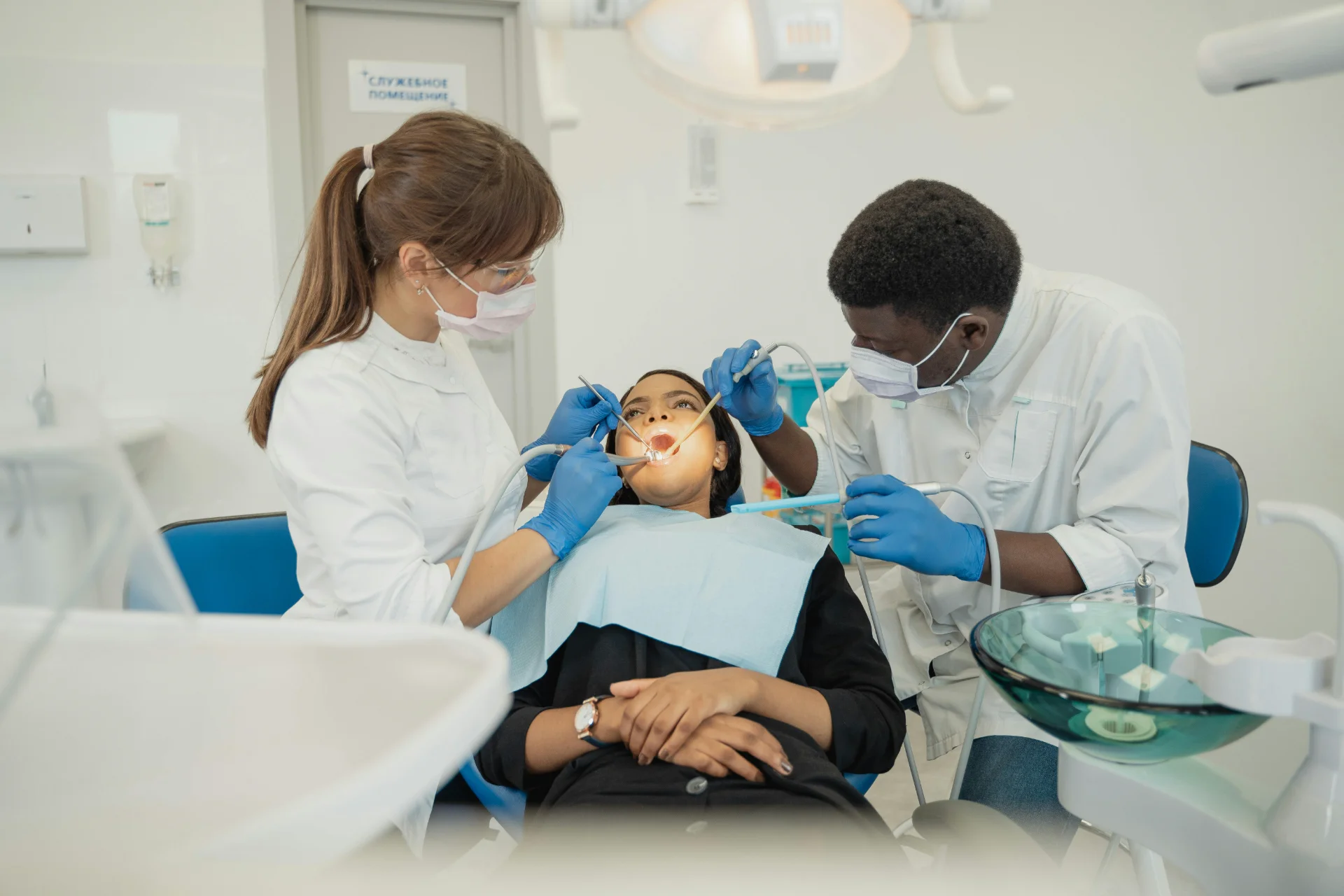
Dental assistants are the backbone of every well-run dental practice. They keep treatment rooms organized, help patients feel at ease, and ensure dentists can focus on clinical care without interruption. Yet most people outside the profession dramatically underestimate the scope of dental assistant responsibilities.
So what do dental assistants do, exactly? The answer covers far more ground than handing instruments to a dentist. A dental assistant’s work spans clinical procedures, radiography, infection control, patient education, and office administration. The profession is growing quickly, too. According to the U.S. Bureau of Labor Statistics (BLS), employment of dental assistants is projected to grow 6% from 2024 to 2034, faster than the average for all occupations, with roughly 52,900 openings expected each year.
The dental assistant definition has evolved considerably over the past two decades. Modern assistants are expected to master digital radiography, electronic health records, CAD/CAM workflows, and patient communication strategies that earlier generations never encountered. Understanding the full dental assistant description of duties is essential for anyone entering the field or aiming for career growth within it.
This guide breaks down every major dental assistant duty in detail. It is written for current dental assistants who want to level up, students exploring dental assisting careers, and career-changers considering a move into oral healthcare.
What Is a Dental Assistant? Role Overview
Before diving into specific duties, it helps to define dental assistant in clear terms. A dental assistant is a trained healthcare professional who works alongside dentists, dental hygienists, and office staff to deliver patient care and maintain smooth clinical operations. The dental assistant meaning extends well beyond the stereotypical image of someone suctioning saliva during a filling.
The dental assistant role description varies depending on the type of practice, the state or country of employment, and the assistant’s level of certification. In a general family dentistry office, an assistant might handle everything from taking X-rays to processing insurance claims. In a specialty practice focused on oral surgery or orthodontics, the scope narrows but deepens. Either way, the dental assistant position description consistently includes a blend of clinical, interpersonal, and administrative duties that make the role one of the most versatile in healthcare. Dental assistants also interact daily with the equipment that powers modern dental practices, from digital sensors and handpieces to autoclaves and CAD/CAM systems.
One common point of confusion is the difference between dental assistants and dental hygienists. Dental hygienists focus primarily on preventive care such as cleanings, scaling, and periodontal assessments. Dental assistants, on the other hand, support the full range of procedures a dentist performs, handle radiography, manage sterilization, and often take on front-office tasks as well. The educational paths differ, too. Dental assisting programs can take as little as nine to twelve months, while dental hygiene programs typically require an associate degree.
The dental assistant role also varies based on certification level. Entry-level assistants handle basic chairside support and sterilization duties. Those holding a Certified Dental Assistant (CDA) credential demonstrate validated competency across clinical, radiographic, and infection-control domains. Expanded Functions Dental Assistants (EFDAs) can perform additional clinical procedures, such as placing restorations or applying sealants, depending on state regulations. Each level of certification broadens the dental assistant description duties and increases earning potential.
Core Clinical Duties of a Dental Assistant
Clinical duties make up the largest portion of any dental assistant job description. These are the hands-on tasks performed in the operatory that directly support patient treatment. The dental assistant duties list below covers the most important clinical functions found in practices across the country.
Chairside Assistance During Procedures
Chairside assistance is the most visible part of the dental assistant role. During every procedure, from a simple prophylaxis to a complex extraction, the assistant works in tandem with the dentist using a technique known as four-handed dentistry. This approach keeps the workflow efficient and minimizes chair time for the patient.
Typical chairside dental assistant tasks include:
Preparing treatment rooms before each appointment, which involves laying out the correct instruments, setting up suction and air-water syringes, and mixing dental materials such as composites, cements, and impression compounds
Passing instruments to the dentist during procedures, retracting soft tissue for better visibility, and managing high-volume suction to keep the operative field dry
Assisting during restorative procedures like fillings and crowns, as well as during extractions, root canal treatments, and implant placements
Monitoring the patient’s comfort level throughout the appointment and adjusting the chair, light, or suction as needed
Effective chairside assistance requires strong anticipation skills. Experienced dental assistants can predict the next instrument or material a dentist will need, often before the dentist asks for it. This kind of seamless collaboration speeds up procedures, reduces patient discomfort, and allows the dentist to maintain focus on the clinical task at hand.
Four-handed dentistry, where the dentist and assistant work together with optimized instrument positioning, remains the gold standard in modern dental practice. Studies show that this approach improves efficiency, reduces physical strain on both practitioners, and leads to better clinical outcomes. Dental assistants who master four-handed technique become indispensable members of the clinical team.
Taking and Processing Dental X-Rays
Dental radiography is one of the most essential dental assistant functions. Assistants are trained to capture several types of diagnostic images, including periapical, bitewing, occlusal, and panoramic radiographs. In many practices, assistants also operate cone beam CT (CBCT) scanners for three-dimensional imaging used in implant planning and complex diagnostics.
Digital radiography has largely replaced traditional film in modern offices, and dental assistants need to be proficient in positioning sensors, adjusting exposure settings, and capturing diagnostically accurate images on the first attempt. Poor-quality radiographs waste time, increase radiation exposure, and delay diagnosis.
Radiation safety is a core component of radiography training. Dental assistants follow strict protocols to protect both patients and staff, including the use of lead aprons, thyroid collars, and proper positioning to minimize scatter radiation. Assistants must also maintain current certification in radiography, which most states require as a condition of performing X-ray procedures.
Understanding how to evaluate image quality is equally important. A dental assistant who can identify common errors, such as cone-cutting, elongation, foreshortening, or patient movement, can retake the image immediately rather than discovering the problem later. This saves time and demonstrates clinical competence that dentists notice and value.
Infection Control and Sterilization
Infection control ranks among the most critical dentist assistant duties. Dental assistants are responsible for maintaining a safe, sterile environment that meets or exceeds the guidelines set by the Centers for Disease Control and Prevention (CDC) and the Occupational Safety and Health Administration (OSHA).
Key infection control tasks include:
sterilizing instruments using autoclaves and verifying sterilization effectiveness through biological indicator (spore) testing
disinfecting operatory surfaces, dental chairs, light handles, and X-ray equipment between patients
properly donning and disposing of personal protective equipment (PPE) such as gloves, masks, and eye protection
managing biohazard waste and sharps disposal in compliance with federal and state regulations
maintaining sterilization logs and documentation for regulatory audits
A single lapse in infection control can put patients and the entire dental team at risk. Dental assistants who master these protocols protect their practice and demonstrate the kind of professional reliability that leads to career advancement.
Preparing Patients for Treatment
Patient preparation is another essential component of the duties and responsibilities of a dental assistant. Before a dentist begins any procedure, the assistant gathers critical information and readies the patient for treatment.
This includes:
reviewing and updating medical histories, recording vital signs such as blood pressure, and flagging any conditions or medications that could affect treatment
explaining the upcoming procedure in simple, non-technical language so the patient understands what to expect
applying topical anesthetics to reduce discomfort before injections
placing dental dams, cotton rolls, and other isolation materials as directed
Taking time with nervous or first-time patients during this stage sets the tone for the entire visit. A calm, well-prepared assistant makes a measurable difference in patient satisfaction and retention.
Impressions, Molds, and Lab Work
Many dental assistant job duties involve laboratory-related tasks that support the restorative and prosthetic side of dentistry.
Common lab tasks include:
taking dental impressions using alginate or polyvinyl siloxane materials and ensuring the impressions capture accurate detail
pouring stone models and trimming casts for diagnostic or treatment purposes
fabricating temporary crowns, bridges, and custom whitening trays
coordinating with external dental laboratories on cases involving permanent restorations, dentures, or orthodontic appliances
The rise of digital impression systems and CAD/CAM technology has added a new dimension to these responsibilities. Dental assistants in forward-thinking practices are learning to operate intraoral scanners and chairside milling units, skills that will only grow in demand.
Accuracy in impression-taking is non-negotiable. A poorly captured impression leads to ill-fitting restorations, repeated appointments, and frustrated patients. Dental assistants who consistently produce high-quality impressions save the practice time and money while contributing to better clinical outcomes.
What Are 10 Duties of a Dental Assistant?
For a quick-reference summary, here are ten duties that appear in virtually every dental assistant job description:
Assist the dentist chairside during procedures
Take and process dental X-rays
Sterilize instruments and disinfect treatment rooms
Prepare patients for examination and treatment
Take dental impressions and pour models
Educate patients on oral hygiene and post-operative care
Schedule appointments and manage patient records
Process insurance claims and handle billing inquiries
Order and maintain inventory of dental supplies
Ensure compliance with infection control and safety protocols
This list captures the core dental assistant tasks and responsibilities that apply across most practice settings. Depending on the office, additional duties may include orthodontic wire changes, coronal polishing, or sealant application.
Administrative and Office Responsibilities
Clinical skills are only half the picture. An office dental assistant often shoulders a significant share of administrative work, especially in smaller practices where the team wears multiple hats. These behind-the-scenes dental assistant functions keep the business side of a practice running smoothly.
Typical administrative dental assistant tasks and responsibilities include:
Scheduling and confirming patient appointments, managing cancellations, and optimizing the daily schedule to minimize downtime, often using practice management software
Entering and updating patient records in electronic health record (EHR) systems, including treatment notes, medical histories, and consent forms
Processing dental insurance claims, verifying patient eligibility, and following up on unpaid or denied claims
Ordering dental supplies and instruments, tracking inventory levels, and coordinating equipment maintenance or repairs
Greeting patients, answering phones, and handling general front-desk duties when needed
These responsibilities are frequently undervalued in a dental assistant job description, yet they directly impact revenue, patient satisfaction, and overall clinic efficiency. An assistant who can manage both the clinical and administrative sides of a practice is an extremely valuable team member.
Insurance processing deserves special attention. Dental insurance is notoriously complex, and errors in claims submission or coding can delay reimbursement and frustrate patients. Dental assistants who understand insurance terminology, common procedure codes (CDT codes), and the basics of benefits verification help the practice maintain healthy cash flow. In many smaller offices, the dental assistant is the primary point of contact for insurance-related questions from patients.
Patient Communication and Education
Among the most underappreciated dental assistant roles and responsibilities is patient communication. Dental assistants serve as the primary link between the dentist and the patient, translating complex clinical information into language that is easy to understand.
What can dental assistants do in this area? Quite a lot:
Explaining post-operative care instructions after procedures such as extractions, root canals, or implant placements
Demonstrating proper brushing and flossing techniques, especially for pediatric patients or those with periodontal disease
Discussing dietary choices that affect oral health, such as sugar intake and acidic beverages
Helping anxious patients feel comfortable through empathetic conversation and reassurance before and during treatment
Communicating treatment plans, costs, and timelines in collaboration with the dentist and the front-office team
Strong communication skills set exceptional dental assistants apart from average ones. Patients remember how they were treated emotionally just as much as how they were treated clinically, and the assistant’s demeanor often shapes the overall experience. Assistants who excel in patient education tend to earn trust, receive better reviews, and advance into leadership roles more quickly.
Pediatric patients present a unique communication challenge. Children often arrive anxious or frightened, and the dental assistant plays a central role in creating a positive, age-appropriate experience. Techniques such as the tell-show-do method, where the assistant explains a step, shows the child the instrument, and then performs the action, are standard practice in pediatric dental offices. Building rapport with young patients often determines how they feel about dental care for years to come.
Language barriers add another dimension. In diverse communities, dental assistants who speak multiple languages or have cultural-competency training can bridge gaps between the clinical team and patients who might otherwise struggle to understand their treatment plans. This ability enhances patient compliance, reduces missed appointments, and strengthens the practice’s reputation in the community.
Where Do Dental Assistants Work?
One of the most appealing dental assistant facts is the variety of work environments available. Where can dental assistants work? The answer is far broader than a single-dentist family practice, though general dentistry offices remain the most common setting. According to the BLS, dental assistants held about 381,900 jobs in 2024, with the vast majority employed in offices of dentists.
Common workplaces include:
General and family dentistry offices, which employ the largest share of dental assistants nationwide
Specialty practices, including orthodontics, periodontics, endodontics, oral and maxillofacial surgery, prosthodontics, and pediatric dentistry
Hospitals and ambulatory surgical centers, where dental assistants support oral surgery procedures performed under general anesthesia
Community health clinics and federally qualified health centers (FQHCs), which provide dental care to underserved populations
Dental schools and university clinics, where assistants support both clinical education and patient care
Mobile dentistry programs and public-health outreach initiatives that bring care to schools, nursing homes, and rural communities
Government and military dental facilities, including the Department of Veterans Affairs and branches of the U.S. Armed Forces
Each setting comes with its own pace, patient population, and procedural focus. Specialty practices tend to offer higher pay and more advanced clinical experience, while community health settings appeal to those motivated by service and public health impact.
The environment also shapes the day-to-day experience. An assistant in a busy general practice may see 20 or more patients per day across routine cleanings, fillings, and extractions. An assistant in an oral surgery office might work with fewer patients but spend more time on complex, longer procedures that require advanced surgical preparation and post-operative care. Understanding these differences helps dental assistants choose a setting that aligns with their skills and long-term goals.
A growing number of dental assistants are finding opportunities in corporate dental organizations, sometimes called dental service organizations (DSOs). These multi-location practices offer structured career paths, standardized training programs, and benefits packages that smaller private offices may not provide. For assistants early in their careers, DSOs can offer a strong foundation in clinical protocols and office workflows.
Expanded Duties and Specialization
For dental assistants looking to level up, expanded-function certification opens the door to greater responsibility, higher pay, and more satisfying work. What can dental assistants do beyond the basics? The answer depends largely on state regulations, which vary significantly across the United States.
An Expanded Functions Dental Assistant (EFDA) may be authorized to perform tasks such as:
Placing and carving direct restorations (fillings) after the dentist prepares the tooth
Applying pit and fissure sealants to prevent decay
Performing coronal polishing to remove soft deposits and stains
Placing and removing orthodontic separators, archwires, and ligature ties
Taking cephalometric and specialized orthodontic radiographs
Removing sutures and performing post-surgical monitoring under the dentist’s supervision
These advanced dental assistant description duties allow the dentist to delegate more clinical work, which increases the practice’s productivity and reduces patient wait times. Dental assistants who pursue expanded-function credentials often report greater job satisfaction because they are actively contributing to treatment outcomes rather than exclusively supporting from the sideline.
Specialization is another path forward. Assistants who focus on orthodontics, oral surgery, or implant dentistry develop deep expertise that makes them highly sought after. Orthodontic assistants, for example, develop proficiency in bracket placement, wire adjustments, and digital treatment-planning software. Oral surgery assistants become skilled in surgical suctioning, tissue retraction, intravenous sedation monitoring, and emergency response.
Implant dentistry is one of the fastest-growing areas of specialization for dental assistants. As more general dentists incorporate implant placement into their practices, the need for assistants who understand implant systems, guided surgery protocols, and bone grafting procedures continues to increase. Assistants who gain proficiency in this area position themselves at the cutting edge of modern dentistry.
The path to expanded-function certification typically involves completing additional coursework through a CODA-accredited program or state-approved training provider, followed by a clinical exam. The investment in time and tuition pays off quickly through higher hourly wages and greater professional autonomy. For dental assistants who want to do more, learn more, and earn more, expanded-function credentials represent one of the smartest career moves available.
Skills, Education, and Certification
Anyone exploring dental assisting careers will want to understand the educational paths and credentials that shape the profession. There is no single route into the field, which is one of its strengths. For a detailed look at program lengths and formats, see this guide on how long dental assistant school takes.
The most common educational options include:
Certificate or diploma programs accredited by the Commission on Dental Accreditation (CODA), typically lasting 9 to 12 months
Associate degree programs that combine dental assisting coursework with general education credits over two years
On-the-job training, which is permitted in some states and involves learning under the direct supervision of a licensed dentist
The Certified Dental Assistant (CDA) credential, offered by the Dental Assisting National Board (DANB), is the most widely recognized national certification. Earning the CDA requires passing three component exams covering radiation health and safety, infection control, and general chairside assisting. DANB reports that certified dental assistants earn measurably more per hour than their non-certified counterparts, making certification a smart investment.
A strong dental assistant job description will also call for a mix of hard and soft skills:
Hard skills. Radiography, four-handed dentistry, dental materials science, digital record-keeping, and expanded-function competencies, where applicable
Soft skills. Attention to detail, empathy and emotional intelligence, time management, adaptability in fast-paced clinical settings, and clear communication with patients and team members
State-specific licensure requirements add another layer. Some states mandate completion of a CODA-accredited program, while others accept a combination of education and on-the-job experience. CPR and Basic Life Support (BLS) certification is required virtually everywhere.
Continuing education is another important component of a successful dental assisting career. Most states require dental assistants to complete a certain number of continuing education hours each renewal cycle to maintain their credentials. These courses cover topics such as updated infection control protocols, new dental materials, emerging technology, and regulatory changes. Staying current not only satisfies licensure requirements but also ensures that dental assistants can provide the highest standard of care.
For those weighing the formal education route against on-the-job training, the decision often comes down to long-term goals. On-the-job training can be an efficient way to enter the workforce quickly, but graduates of accredited programs tend to have broader clinical exposure, stronger credentials on their resume, and an easier path to national certification. Many dental offices also prefer to hire candidates who have completed a formal program, particularly for positions that involve radiography or expanded functions.
Career Growth and Outlook
Dental assisting careers offer clear advancement opportunities for those willing to invest in continued learning. The BLS reports a median annual wage of $47,300 for dental assistants as of May 2024, with the top 10% earning more than $61,780. Certified assistants and those in specialty practices often exceed these figures.
Common advancement paths include:
Lead dental assistant or clinical coordinator, overseeing other assistants and managing operatory workflow
Office manager, taking charge of scheduling, billing, compliance, and staff management
Dental hygienist, a transition that requires returning to school for an associate or bachelor’s degree but comes with a significant salary increase
Dental sales representative, leveraging clinical knowledge to sell dental products and equipment to practices
Dental educator or program instructor, teaching the next generation of assistants
Lateral specialization is equally valuable. An assistant who develops advanced skills in orthodontics, implant dentistry, or oral surgery can command higher compensation without needing to change careers entirely. The dental assistant role is, for many, a launchpad into a long and rewarding healthcare career.
Salary progression follows a predictable pattern. Entry-level dental assistants typically start in the range of $35,000 to $38,000 annually, with earnings climbing steadily as experience, certifications, and responsibilities increase. Assistants working in metropolitan areas or high-cost-of-living states such as California, New York, or Massachusetts often earn above the national median. Those in specialty settings, particularly oral surgery and orthodontics, tend to earn 10–20% more than their counterparts in general practice.
The staffing landscape further favors dental assistants. A 2025 report from the American Dental Association (ADA) found that 62% of dentists cited staffing shortages as their top operational challenge, which translates into strong hiring demand, competitive wages, and negotiating leverage for qualified candidates. Dental assistants who combine clinical competence with certifications and a willingness to grow will continue to find plentiful opportunities.
Bottom Line
The duties and responsibilities of a dental assistant reach into every corner of a dental practice. Clinical chairside work, radiography, sterilization, patient education, and administrative tasks all fall under the same job title, making the dental assistant role one of the most multifaceted positions in healthcare.
For students and career-changers, the profession offers an accessible entry point with strong job growth, solid earning potential, and a clear path to advancement. For working dental assistants, mastering the full spectrum of dental assistant responsibilities, and pursuing expanded-function credentials, is the surest way to stand out, earn more, and enjoy greater professional fulfillment.
The dental assisting profession also rewards those who stay curious. Technology is transforming every aspect of dental care, from digital impressions and 3D printing to AI-assisted diagnostics. Assistants who embrace these changes and develop proficiency with new tools will remain in high demand as practices modernize their workflows and equipment.
The demand for skilled dental assistants continues to rise. Practices across the country are actively seeking qualified team members, and those who bring a combination of clinical competence, communication skills, and a willingness to grow will always find opportunities.
Frequently Asked Questions
What do dental assistants do on a typical day?
A typical day involves preparing treatment rooms, assisting the dentist during procedures, taking and processing dental X-rays, sterilizing instruments, updating patient records, and educating patients on oral hygiene. Administrative tasks like scheduling and insurance processing often round out the workday.
What is the difference between a dental assistant and a dental hygienist?
Dental assistants support the dentist across a wide range of clinical and administrative tasks, while dental hygienists focus on preventive care such as cleanings, scaling, and periodontal assessments. Hygienists typically require an associate degree and separate licensure, whereas dental assistants can enter the field through shorter certificate programs or on-the-job training.
Where do dental assistants work besides private practices?
Dental assistants work in specialty practices (orthodontics, oral surgery, periodontics), hospitals, community health clinics, dental schools, mobile dentistry programs, government facilities, and military dental clinics. The variety of settings is one of the profession’s most attractive features.
How much do dental assistants earn?
According to the BLS, the median annual wage was $47,300 as of May 2024. The lowest 10% earned less than $36,190, while the highest 10% earned more than $61,780. Holding a CDA certification, working in a specialty practice, or practicing in a high-cost-of-living area can push earnings above the median.
What certifications should a dental assistant pursue?
The Certified Dental Assistant (CDA) credential from DANB is the most widely recognized national certification. Depending on the state, additional credentials such as Expanded Functions Dental Assistant (EFDA), Certified Orthodontic Assistant (COA), or radiography certification may further strengthen a dental assistant’s qualifications and earning potential.