Rating: 4.4/5
Philips Zoom Professional Teeth Whitening: Clinical Review For Dental Practitioners
Philips Zoom has established itself as the most requested professional whitening brand among patients seeking brighter smiles. For dental practitioners evaluating in-office...
Reviewed by Agnes Markovic
Pros
- Clinically proven to whiten teeth up to eight shades in a single 45-minute visit
- LED-accelerated technology achieves better results with lower peroxide concentration than chemically-activated competitors
- Power of Three formulation provides effective sensitivity protection with 99% of patients reporting little to no sensitivity
- Comprehensive product portfolio allows customized treatment recommendations for diverse patient needs
- Strong brand recognition as the most patient-requested professional whitening system
- Extensive clinical research supporting efficacy and safety claims
- LED lamp provides 50,000 hours of operational life with reduced energy consumption
- Complete training and certification program available through Philips
- Take-home products enable effective maintenance and touch-up protocols
Cons
- Requires investment in WhiteSpeed lamp system for in-office treatments
- In-office whitening gel requires refrigeration and advance preparation before appointments
- Results less predictable for tetracycline and severe intrinsic staining
- Does not whiten existing restorations, potentially requiring replacement of visible dental work
- Zingers and sensitivity, while uncommon, can occur and cause patient distress
- Results are not permanent and require maintenance treatments
- Some patients may experience temporary uneven whitening during rehydration period
- Not suitable for pregnant or lactating women, patients under 13 to 18, or those with active oral disease
Philips Zoom has established itself as the most requested professional whitening brand among patients seeking brighter smiles. For dental practitioners evaluating in-office whitening systems or looking to optimize their current protocols, understanding the clinical nuances of this system is essential for delivering consistent results and managing patient expectations effectively.
This comprehensive review examines the complete Philips Zoom product portfolio, from the flagship WhiteSpeed in-office system to the DayWhite and NiteWhite take-home options. More importantly, this guide addresses the real-world clinical challenges dentists encounter daily, providing evidence-based solutions for sensitivity management, troubleshooting uneven results, handling resistant staining, and maximizing treatment outcomes.
The Philips Zoom system distinguishes itself through its proprietary "Power of Three" formulation, combining amorphous calcium phosphate (ACP), fluoride, and potassium nitrate. This unique combination addresses the primary concern with professional whitening treatments, which is post-operative sensitivity, while simultaneously protecting and remineralizing enamel throughout the whitening process.
Understanding The Philips Zoom Product Portfolio
The Philips Zoom ecosystem offers dental professionals a comprehensive range of whitening solutions designed to address varying patient needs, treatment preferences, and clinical scenarios. Understanding each product's strengths allows practitioners to recommend the most appropriate treatment pathway for individual patients.
Philips Zoom WhiteSpeed In-Office System
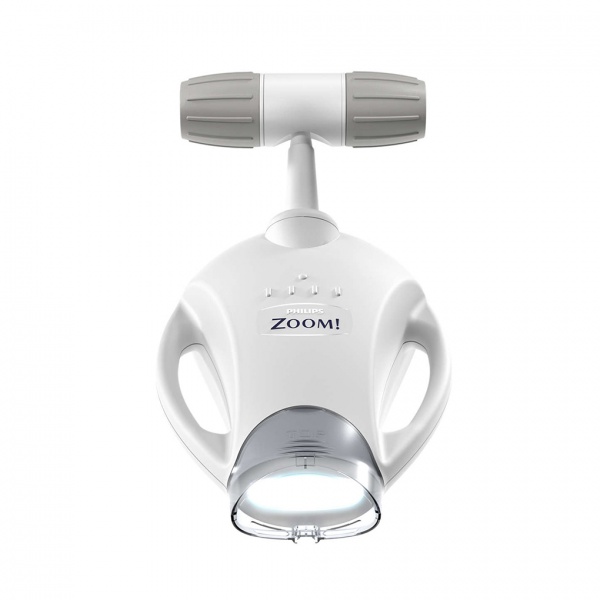
The WhiteSpeed system represents the cornerstone of Philips Zoom's professional whitening offerings. This LED-accelerated chairside treatment utilizes a 25% hydrogen peroxide gel activated by blue light technology operating at a wavelength between 420nm and 460nm with light intensity of 190 mW/cm².
The standard protocol involves three 15-minute whitening cycles, totaling 45 minutes of active treatment time. According to Philips clinical data, patients can achieve up to eight shades of improvement in a single visit. The WhiteSpeed system features customizable intensity settings, allowing practitioners to adjust treatment parameters for patients with varying sensitivity levels.
A notable clinical advantage is the LED accelerator's longevity, providing 50,000 hours of operational use while reducing energy consumption by 40% compared to previous Zoom models. The system includes Relief ACP oral care gel in each procedure kit for post-treatment sensitivity management.
Philips Zoom DayWhite Take-Home Treatment
DayWhite provides a professional-grade take-home option for patients who prefer shorter daily wear times or require maintenance treatments between in-office visits. The hydrogen peroxide-based formula is available in three concentrations to accommodate different sensitivity profiles and treatment goals.
The 6% concentration requires 30 to 90 minutes of daily wear, making it suitable for patients with heightened sensitivity concerns. The 9.5% formulation is worn for 30 to 60 minutes daily, while the 14% concentration requires only 15 minutes twice daily. Most patients achieve optimal results within two weeks of consistent use.
DayWhite's formulation includes the same ACP technology found in the in-office system, providing enamel protection and sensitivity reduction throughout the at-home treatment period.
Philips Zoom NiteWhite Take-Home Treatment
NiteWhite utilizes carbamide peroxide rather than hydrogen peroxide, making it ideal for overnight wear or extended treatment sessions. The slow-release nature of carbamide peroxide, which breaks down into hydrogen peroxide and urea over several hours, provides prolonged contact with tooth structure.
Available concentrations include 10%, 16%, and 22% carbamide peroxide. The 10% and 16% formulations are designed for overnight wear or 4 to 6 hours of use, while the 22% concentration can achieve up to nine shades whiter teeth after 14 days according to Philips product documentation.
For patients with darker or more stubborn staining, NiteWhite often produces superior results compared to DayWhite because the extended contact time allows for deeper penetration into enamel and dentin structures.
Philips Zoom QuickPro
QuickPro offers a streamlined whitening option that can be added to routine dental appointments. This varnish-based system requires no custom trays or light activation, making it ideal for patients seeking a whitening boost during their regular cleaning visits.
The procedure takes approximately 30 minutes and can lighten teeth by up to four shades. A whitening varnish is applied directly to each tooth, followed by a protective sealant layer. This option works well as an introduction to professional whitening for hesitant patients or as a maintenance treatment between more intensive whitening sessions.
The Science Behind Philips Zoom Whitening
Understanding the mechanism of action behind Philips Zoom helps practitioners explain the treatment process to patients and troubleshoot when results fall short of expectations.
How Hydrogen Peroxide Whitens Teeth
The active whitening agent in Philips Zoom products is hydrogen peroxide, either directly in DayWhite and the in-office system or as the breakdown product of carbamide peroxide in NiteWhite. When applied to tooth surfaces, hydrogen peroxide penetrates the enamel and reaches the dentin layer where most discoloration occurs.
Through an oxidation reaction, hydrogen peroxide releases oxygen radicals that break apart the carbon bonds in chromophore molecules responsible for tooth discoloration. This process does not alter tooth structure but rather changes the light-absorbing properties of stain molecules, making them appear colorless.
The Role Of LED Light Acceleration
The WhiteSpeed system's blue LED light accelerates the whitening process by energizing the hydrogen peroxide molecules, increasing the rate of oxygen radical release. A clinical study published in the Journal of Esthetic and Restorative Dentistry by Lee et al. compared Philips Zoom WhiteSpeed (25% hydrogen peroxide with LED) against Ultradent Opalescence Boost (40% hydrogen peroxide without light activation).
The results demonstrated that the lower concentration hydrogen peroxide with LED acceleration produced statistically significantly better whitening outcomes at Day 7, showing 55% greater improvement than the higher concentration chemically-activated system. This finding supports the clinical value of light-accelerated whitening technology.
The Power Of Three Formulation
Philips Zoom's proprietary formulation addresses sensitivity concerns through three key ingredients working synergistically.
Amorphous calcium phosphate (ACP) deposits onto tooth surfaces during whitening, filling microscopic defects in enamel and creating a smoother surface. This remineralization process protects enamel integrity while reducing sensitivity. Clinical tests comparing Philips Zoom NiteWhite with ACP against carbamide peroxide formulas without ACP showed that 30% of patients using NiteWhite with ACP experienced less sensitivity, with twice as many patients experiencing zero sensitivity.
Potassium nitrate works by depolarizing nerve fibers in the dental pulp, reducing their ability to transmit pain signals. Fluoride strengthens enamel through remineralization and provides additional protection against demineralization.
Patient Selection And Contraindications
Proper patient selection is fundamental to achieving satisfactory whitening outcomes and avoiding complications. Taking time during the consultation to assess candidacy and set realistic expectations prevents dissatisfaction and potential adverse events.
Ideal Candidates For Philips Zoom
Patients most likely to achieve excellent results with Philips Zoom present with extrinsic staining from common sources such as coffee, tea, red wine, tobacco use, and age-related yellowing. These surface and near-surface stains respond predictably to hydrogen peroxide oxidation.
Yellow and brown discoloration typically produces the most dramatic improvement, often achieving the full eight-shade enhancement in a single WhiteSpeed session. Patients with generally healthy oral conditions, adequate enamel thickness, and no active dental disease are optimal candidates.
Relative Contraindications
Several patient presentations warrant additional consideration rather than absolute exclusion from treatment.
Pre-existing tooth sensitivity requires a modified approach including pre-treatment desensitization protocols, reduced intensity settings, and comprehensive post-operative care instructions. These patients can often achieve good results with proper management.
Patients with exposed root surfaces or gum recession present increased sensitivity risk because cementum and dentin lack the protective barrier that enamel provides. Careful isolation and potentially reduced treatment times help manage these cases.
Visible composite restorations, crowns, veneers, and other dental work will not respond to whitening agents. Patients must understand that existing restorations may need replacement after whitening to achieve color uniformity.
Gray discoloration from tetracycline exposure or other intrinsic causes responds less predictably to whitening. While improvement is possible, results will likely be less dramatic than those achieved with extrinsic staining. Extended treatment protocols may be necessary.
Absolute Contraindications
Pregnant and lactating women should avoid whitening treatments as a precautionary measure. Patients under 13 to 18 years of age are not candidates due to incomplete tooth development. Active periodontal disease, failing restorations, or untreated caries require treatment before considering whitening. Patients with known photosensitivity conditions should avoid light-activated systems.
Philips Zoom WhiteSpeed Step-By-Step Clinical Protocol
Consistent technique and attention to detail during WhiteSpeed procedures maximize results while minimizing complications.
Pre-Procedure Preparation
Document the baseline shade using a value-ordered VITA Classical Shade Guide. Take standardized pre-treatment photographs under consistent lighting conditions. Review the patient's medical history for any contraindications.
The in-office whitening gel must be removed from refrigeration at least six hours before use. Alternatively, place the syringe in hot tap water at approximately 120°F (49°C) for 10 minutes if removed just before the appointment.
For patients with sensitivity concerns, recommend using a desensitizing toothpaste containing 5% potassium nitrate for two weeks before the scheduled appointment. Applying Relief ACP to lingual tooth surfaces immediately before treatment provides additional protection.
Isolation And Soft Tissue Protection
Meticulous isolation prevents the most common complication associated with in-office whitening, which is soft tissue irritation from gel contact.
Insert the lip retractor to expose anterior teeth. Position cotton rolls to separate vestibules and absorb saliva. Apply Liquidam gingival barrier material along the gum line, ensuring complete coverage of marginal and papillary gingiva. Provide the patient with protective safety goggles.
Whitening Procedure Execution
Apply the whitening gel evenly across the facial surfaces of all teeth being treated, maintaining a thickness of approximately 1 to 2 millimeters. Position the WhiteSpeed LED lamp at the appropriate distance, adding one inch for patient comfort.
Activate the lamp for the first 15-minute treatment cycle. After completing the cycle, remove the gel and inspect the gingival barrier. Apply a fresh layer of whitening gel and begin the second cycle. Repeat for a total of three cycles, providing 45 minutes of active whitening treatment.
Post-Procedure Protocol
Apply fluoride gel for five minutes to reduce sensitivity. For patients experiencing discomfort, apply Relief ACP using custom trays for 10 to 30 minutes. Document the post-treatment shade and provide the patient with post-care instructions and a take-home maintenance kit.
Advise patients to follow a "white diet" for 48 hours after treatment, avoiding coffee, tea, red wine, dark sodas, berries, tomato sauces, and tobacco. Over-the-counter pain relievers can address discomfort if needed.
Common Problems And Clinical Solutions
Even with proper technique and patient selection, dental professionals encounter challenges when performing Philips Zoom whitening. Understanding how to prevent, identify, and manage these issues separates competent practitioners from exceptional ones.
Problem 1: Patient Sensitivity And Zingers
Tooth sensitivity represents the most frequently reported side effect of professional whitening, though Philips reports that 99% of patients surveyed experienced little to no sensitivity with WhiteSpeed treatment.
Sensitivity occurs when hydrogen peroxide penetrates through enamel and dentin to reach nerve endings in the dental pulp. "Zingers" describe the sudden, sharp, shooting pains that some patients experience during or after treatment, typically lasting seconds to minutes before subsiding.
Prevention and management strategies:
Recommend desensitizing toothpaste for two weeks before treatment
Apply Relief ACP to lingual surfaces before the procedure
Use lower intensity lamp settings and add one inch distance from teeth
Apply Relief ACP in custom trays for 10 to 30 minutes post-treatment
Over-the-counter pain relievers provide symptomatic relief
Advise avoiding hot and cold foods for 24 to 48 hours
Most sensitivity resolves completely within 24 to 48 hours
Problem 2: Uneven Whitening Results And White Spots
Patients sometimes express concern about splotchy or uneven coloring immediately after whitening treatment.
Temporary tooth dehydration occurs during the whitening procedure as hydrogen peroxide draws moisture from enamel. Pre-existing enamel hypocalcification becomes more visible after whitening because the surrounding enamel has darkened while the hypocalcified areas have not.
Management strategies:
Reassure patients that teeth rehydrate over 2 to 7 days
Philips documentation confirms that temporary dehydration causes uneven whitening that fades within one week
Schedule follow-up at 1 to 2 weeks to reassess results
For persistent white spots related to enamel hypocalcification, consider microabrasion or resin infiltration
Severe cases may require veneer placement
Problem 3: Gum Irritation And Soft Tissue Burns
Soft tissue complications occur when whitening gel contacts unprotected gingiva, resulting in chemical irritation that can be painful and alarming for patients. Affected tissue appears white or blanched with burning or stinging sensation.
Prevention and management:
Apply Liquidam gingival barrier meticulously with no gaps
Inspect the barrier at each 15-minute interval and reapply if breakdown occurs
If gel contacts soft tissue, immediately wipe and rinse
Apply Vitamin E oil to affected areas
Recommend warm salt water rinses five to six times on day one
Tissue typically heals within 24 to 48 hours without permanent damage
Problem 4: Resistant Staining From Tetracycline And Intrinsic Causes
Intrinsic staining presents a significant challenge because the discoloration originates within the tooth structure rather than on the surface.
Tetracycline antibiotics taken during tooth development incorporate into the dentin matrix, creating characteristic gray, brown, or blue-gray banding. These stains respond less predictably because the chromophores are bound within the tooth structure at deeper levels.
Management strategies:
Set realistic expectations during consultation
Extended protocols combining multiple in-office sessions with prolonged NiteWhite use
Treatment courses of four to six weeks or longer may be necessary
Consider KöR Whitening for severe tetracycline staining
Discuss porcelain veneers if whitening cannot achieve acceptable results
Problem 5: Suboptimal Results
When patients do not achieve expected whitening outcomes, systematic evaluation identifies correctable factors.
Improper gel storage is a common culprit behind disappointing results. The in-office gel requires refrigeration but must be warmed before use. DayWhite and NiteWhite should be stored at 59 to 77°F and should never be refrigerated or frozen.
Gel effectiveness diminishes after being open for more than one month. Signs of degraded gel include color changes and altered consistency. Heavy calculus buildup interferes with gel contact and should be removed before whitening.
Pre-treatment shade documentation provides objective evidence of improvement even when patients perceive results as inadequate. Most patients achieve six to eight shades of improvement.
Problem 6: Results Not Lasting
Whitening results are not permanent. Results typically last six months to two years depending on dietary habits, oral hygiene practices, and tobacco use.
Maintenance strategies:
Provide take-home touch-up kits with DayWhite or NiteWhite
Clinical studies show powered toothbrushes maintain shade better than manual brushing
Regular professional cleanings remove surface staining
Annual in-office touch-up treatments or QuickPro add-ons extend results
Philips Zoom Versus Competitors: Clinical Comparison
The most relevant competitive comparison is between Philips Zoom WhiteSpeed and Ultradent's Opalescence Boost, both widely used professional in-office whitening systems.
Philips Zoom WhiteSpeed uses 25% hydrogen peroxide activated by LED light, while Opalescence Boost uses 40% hydrogen peroxide with chemical activation requiring no light.
A randomized clinical trial directly compared these two systems in 135 subjects. At Day 7 following treatment, Philips Zoom WhiteSpeed demonstrated statistically significantly greater change in overall tooth color and shade than Opalescence Boost. Neither study found significant differences in induced sensitivity between the systems.
For severe tetracycline staining or cases where Philips Zoom has not achieved satisfactory results, KöR Whitening offers a specialized alternative designed specifically for challenging intrinsic staining.
Product Storage And Handling Best Practices
Proper storage and handling of Philips Zoom products ensures optimal potency and prevents avoidable treatment failures.
The in-office WhiteSpeed gel requires refrigeration during storage. Remove gel at least six hours before the appointment. DayWhite and NiteWhite should be stored at 59 to 77°F (15 to 25°C). These products should not be refrigerated or frozen.
Unopened products typically have a two-year shelf life. After opening a syringe, use within 30 days for optimal effectiveness. Gel that has changed color or consistency should be discarded.
Bottom Line
Philips Zoom remains the gold standard for professional in-office teeth whitening, backed by clinical evidence demonstrating superior efficacy compared to higher-concentration competitors. The system's combination of LED-accelerated technology with the protective Power of Three formulation addresses the historical tension between whitening effectiveness and post-operative sensitivity.
Success with Philips Zoom depends on proper patient selection, meticulous technique, and comprehensive post-operative care. Understanding the product portfolio allows practitioners to tailor treatment recommendations to individual patient needs. The common problems addressed in this review represent predictable challenges with established solutions.
Verdict
<p>Philips Zoom earns a strong recommendation for dental practices seeking a reliable, evidence-based professional whitening system. The WhiteSpeed in-office treatment delivers on its promise of dramatic results in a single visit, while the take-home product range provides flexibility for maintenance and extended treatment protocols.</p><p>The investment in WhiteSpeed equipment is justified by clinical outcomes, patient satisfaction, and revenue potential. The Power of Three formulation genuinely differentiates Philips Zoom from competitors when it comes to sensitivity management. While sensitivity remains possible with any whitening system, the combination of ACP, potassium nitrate, and fluoride provides measurable protection.</p><p>For challenging cases involving intrinsic staining, practitioners should maintain realistic expectations and consider combination approaches or alternative systems. Overall, Philips Zoom represents a sound investment for practices committed to offering professional whitening services with predictable outcomes and manageable complications.</p>
Frequently Asked Questions
How many shades whiter can patients realistically expect from Philips Zoom WhiteSpeed?
Most patients achieve six to eight shades of improvement with a single WhiteSpeed in-office treatment. Results vary based on starting shade, patient age, enamel characteristics, and stain type. Yellow and brown extrinsic staining from coffee, tea, wine, and tobacco responds most predictably.
Is Philips Zoom whitening safe for tooth enamel?
Clinical studies confirm that hydrogen peroxide whitening under professional supervision is safe for enamel. The Philips Zoom formulation includes amorphous calcium phosphate, which actively remineralizes and protects enamel during the whitening process.
Can patients with sensitive teeth undergo Zoom whitening?
Patients with pre-existing sensitivity can undergo Zoom whitening with appropriate modifications. Recommend desensitizing toothpaste for two weeks before treatment, apply Relief ACP before the procedure, use lower intensity lamp settings, and consider reduced cycle times.
Will Philips Zoom whiten crowns, veneers, or dental fillings?
No. Whitening agents only affect natural tooth structure. Porcelain, composite resin, and other restorative materials do not respond to hydrogen peroxide. Existing restorations may need replacement after whitening to match the new tooth shade.
How long do Philips Zoom whitening results last?
Results typically last six months to two years depending on dietary habits, oral hygiene practices, and tobacco use. Periodic touch-up treatments with take-home products and regular professional cleanings help maintain results.
What is the difference between DayWhite and NiteWhite take-home products?
DayWhite uses hydrogen peroxide for shorter wear times of 30 to 90 minutes daily. NiteWhite uses carbamide peroxide for overnight wear or extended sessions. NiteWhite may produce better results for darker staining due to the extended contact time.
Why do some patients experience zingers after Zoom whitening?
Zingers are sudden sharp pains occurring when hydrogen peroxide penetrates through enamel and dentin to stimulate nerve endings in the dental pulp. They typically resolve within 24 to 48 hours. Relief ACP gel and avoiding temperature extremes help manage symptoms.
How should Philips Zoom whitening gel be stored?
In-office WhiteSpeed gel requires refrigeration and must be warmed to room temperature before use. DayWhite and NiteWhite should be stored at 59 to 77°F and should not be refrigerated or frozen. All products should be kept away from heat and direct sunlight.
Can Philips Zoom effectively whiten tetracycline-stained teeth?
Philips Zoom can improve tetracycline staining, but results are typically less dramatic than with extrinsic staining. Extended treatment protocols combining multiple in-office sessions with prolonged NiteWhite use offer the best outcomes. For severe cases, consider KöR Whitening or veneers.
What should patients avoid after Zoom whitening treatment?
Patients should follow a "white diet" for 48 hours, avoiding coffee, tea, red wine, dark sodas, berries, tomato sauces, curry, and tobacco. Hot and cold temperature extremes should be avoided for 24 to 48 hours to minimize sensitivity.