Why Is Dairy Not Recommended After A Tooth Extraction?
Avoiding dairy after a tooth extraction is one of the most common instructions dentists give. The rule predates modern dentistry. Its reasoning is more complicated than most...
Written by Agnes Markovic
Read time: 4 min read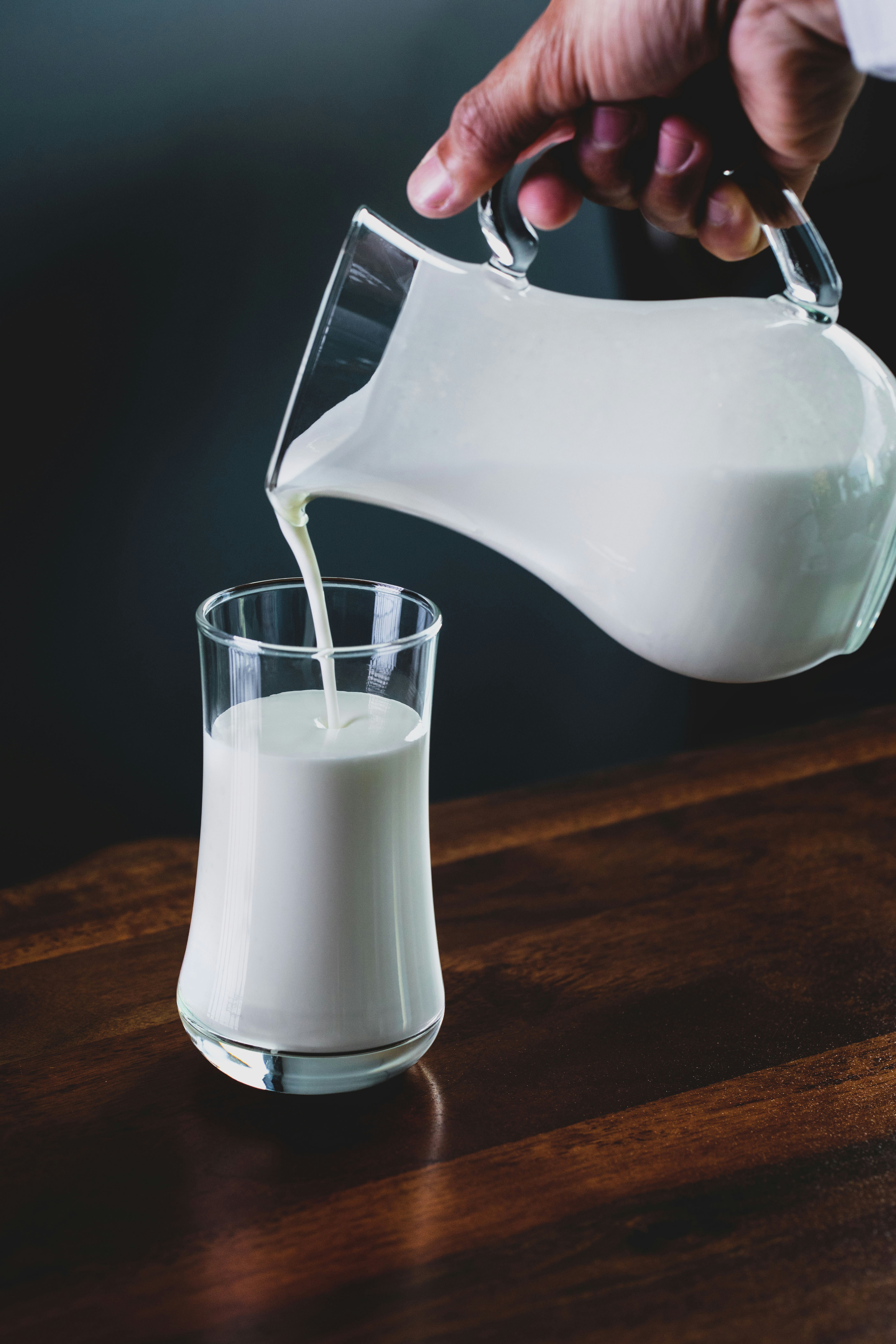
Avoiding dairy after a tooth extraction is one of the most common instructions dentists give. The rule predates modern dentistry. Its reasoning is more complicated than most patients hear at checkout. This article separates confirmed science from leftover tradition.
TL;DR
Dentists avoid dairy after extraction mostly out of habit, not proof.
Temperature and texture disturb a healing clot more than dairy itself.
Milk rarely causes problems, but tetracycline antibiotics do interact with it.
Wisdom teeth and larger oral surgeries call for longer, more cautious diets.
Why Do Dentists Recommend Avoiding Dairy After Extraction?
Most dental practices hand out the same instruction after a tooth extraction. Skip dairy for a few days. The reasoning usually points to three claims. Dairy supposedly causes bacterial growth at the surgical site. It is also blamed for breaking down the healing clot and triggering inflammation.
These explanations appear on nearly identical aftercare sheets across the country. They rarely come with a source. Few sheets distinguish between raw milk and pasteurized milk, even though the risk profile differs completely. Patients rarely question a printed handout during checkout, so the same wording keeps circulating unchallenged.
A closer look at dental literature tells a different story. That story carries less certainty than the standard aftercare sheet suggests.
Where Did This Advice Originally Come From?
The dairy restriction was common before modern dental science by a wide margin. Some studies trace the habit back to tuberculosis concerns. Those concerns involved unpasteurized milk, long before pasteurization became standard practice. Bovine tuberculosis was a genuine public health issue in the early twentieth century.
Pasteurization laws largely closed that gap by mid-century. The instruction did not disappear with the risk it was built on. Old caution simply outlived the reason it was created for.
It simply passed from one dental team to the next. Each generation added its own justification as older ones stopped making sense. Patient handouts got copied from older handouts, not rewritten from current research.
What Does Current Research Say About Eating Dairy After Extraction?
This is one of the clearer myths in dental aftercare. The claims about dairy causing infection do not hold up under scrutiny. The same goes for the claim about breaking down a clot. However, there are no controlled studies linking dairy to bacterial overgrowth at a healing site.
A lack of evidence is not proof of complete safety in every situation. Unpasteurized dairy still carries a higher bacterial load than pasteurized dairy. That distinction matters more than the dairy label itself. Farm-sourced or unpasteurized products deserve real caution around any healing wound, extraction, or otherwise.
The clot itself is a physical structure. It responds to pressure, suction, and temperature.
What Actually Disturbs A Healing Socket?
The physical demands on a socket matter more than dairy content. Suction from straws can pull a clot loose within the first day. The suction is a direct risk, and it’s best to avoid sucking, spitting, or slurping motions.
Suction from straws, milkshakes, or smoothies
Very hot food that softens tissue and increases blood flow
Hard or crunchy textures that can lodge in the socket
Sticky foods that pull at the wound when chewed nearby
None of these mechanisms involve dairy directly. A glass of cold milk carries none of them. A milkshake pulled through a straw carries two risks at once – suction and sugar. A bowl of hot, hard cheese fondue carries a different two. Food category matters less than what the food physically does at the healing site.
Why Shouldn't You Drink Milk After A Tooth Extraction?
Texture alone puts plain milk closer to an ideal post-extraction food than most solid options. It requires no chewing and no heat. The real caution with milk involves prescribed medication, not the socket itself. Tetracycline antibiotics bind to calcium in dairy products. This binding, called chelation, blocks proper drug absorption in the gut.
A dose taken around eight in the morning is a useful example. Milk should generally wait until roughly ten or eleven that same morning. Amoxicillin, clindamycin, and metronidazole do not share this interaction. Patients on those drugs can usually drink milk without adjustment. Doxycycline, a common tetracycline variant, follows the same timing rule.
Always confirm timing with the prescribing dentist or pharmacist before combining antibiotics with dairy. A pharmacy label will often flag this interaction directly, which is worth reading in full.
Why Is Milk Avoided After Wisdom Teeth Removal?
Wisdom teeth extractions differ from routine extractions in scale. The sockets are often deeper, particularly for impacted teeth that required bone removal. Surgical trauma to surrounding tissue tends to be greater as a result. Swelling and clot fragility commonly last longer than after a single simple extraction.
Dry socket rates for lower wisdom teeth run higher than average. That rate generally falls between two and five percent of cases. Soft-diet instructions often extend to five or seven days after surgery. Milk fits inside that window without any real technical objection.
Some practices still list it as excluded. That exclusion mostly reflects inherited caution rather than a documented complication risk. A recovery timeline for wisdom teeth surgery sets realistic expectations for returning to normal eating.
Protein and calcium also support tissue repair during this stretch. That nutritional point is often left out of standard dairy warnings entirely. Yogurt in particular offers protein without requiring any chewing. It becomes a reasonable early-stage option once initial swelling has settled. Plain varieties are gentler on healing tissue than versions with granola or nut mix-ins.
Why Is Dairy Avoided Before A Tooth Extraction?
The pre-extraction dairy rule has a separate cause from the after-extraction one. It relates to sedation safety, not healing. Patients receiving sedation or general anesthesia follow fasting protocols set by the American Society of Anesthesiologists.
Non-human milk counts as a light meal under these guidelines. That requires roughly six hours of fasting beforehand. Clear liquids need only two hours of fasting. Extractions done under local anesthesia alone typically carry no fasting requirement at all.
This gap exists to lower aspiration risk during sedation. An empty stomach reduces the chance of vomiting while a patient is partly or fully unconscious. Dairy digests more like a solid food than like water or juice. That is why it gets the longer fasting window.
A patient having one tooth removed while fully awake can usually eat normally beforehand. Confusion between the before and after versions of this advice is common. Both instructions often get shortened to the same phrase at checkout. That habit blurs two unrelated precautions into one.
Why Are Dairy Products Restricted After Other Dental Surgeries?
Dental surgery covers more than a single extraction. Implant placement, bone grafting, and gum surgery all involve tissue that needs time to stabilize. Recovery windows for these procedures often run longer than for a routine extraction. Dietary restrictions, including dairy, tend to stretch out accordingly. Larger surgical sites also carry a higher chance of postoperative swelling.
Bone grafts in particular depend on steady calcium and protein intake. That intake supports new bone formation at the graft site. A blanket dairy ban can work against that nutritional need if it runs too long. Sutures used in gum surgery also change what a patient can safely chew near the site.
A written dental treatment plan usually spells out food timelines case by case. Healing speed varies by procedure type and by individual patient. Following that specific plan matters more than any general food list found online.
When Is It Safe To Eat Dairy Again?
The highest-risk window for clot disruption falls within the first 24 to 48 hours. Most dentists clear a return to soft foods within two to three days.
24 to 48 hours, the highest-risk window for clot disruption
Two to three days, when most soft foods, including dairy get cleared
One to two weeks, full recovery of the socket surface
Oral hygiene resumes gradually during this stretch too. Gentle brushing typically restarts after a day. A low-abrasive post-surgery toothpaste helps avoid irritating healing gum tissue at that stage.
Dairy rarely needs a longer wait than that. The antibiotic timing covered earlier is the main exception. Some patients mistake ordinary lactose sensitivity for a surgical complication, which is worth ruling out separately. Reintroducing dairy gradually, starting with milk or yogurt before harder cheese, avoids that confusion.
Bottom Line
Dairy is not the clot-dissolving, infection-causing substance it often gets described as. Temperature, suction, and texture cause most of the physical disruption blamed on it. Milk carries a real but narrow concern around tetracycline antibiotics. The rule before an extraction traces back to sedation fasting, not to the socket.
Wisdom teeth and larger oral surgeries call for a longer, more individualized diet plan. A dentist's specific instructions should always outweigh a general list found online.
This article is for informational purposes only and does not constitute medical advice. Always consult with qualified healthcare professionals for diagnosis and treatment recommendations specific to your situation.
Frequently Asked Questions
Why is dairy not recommended after a tooth extraction?
Dentists commonly cite bacterial growth and clot breakdown. Current research has not confirmed either mechanism directly.
Can I drink milk the day after a tooth extraction?
Yes, in most cases. Plain milk is soft and low-risk unless a prescribed antibiotic interacts with it.
Why is dairy avoided before a tooth extraction?
This rule relates to fasting before sedation, not to the extraction site itself.
How long should I avoid dairy after wisdom teeth removal?
Most dentists suggest five to seven days, mainly due to larger sockets and longer swelling.