Starting a Dental Practice: Essential Equipment Checklist 2026
You've completed dental school, worked as an associate for several years, and now you're ready to take the leap into practice ownership. The excitement of building something from...
Written by Mantas Petraitis
Read time: 9 min read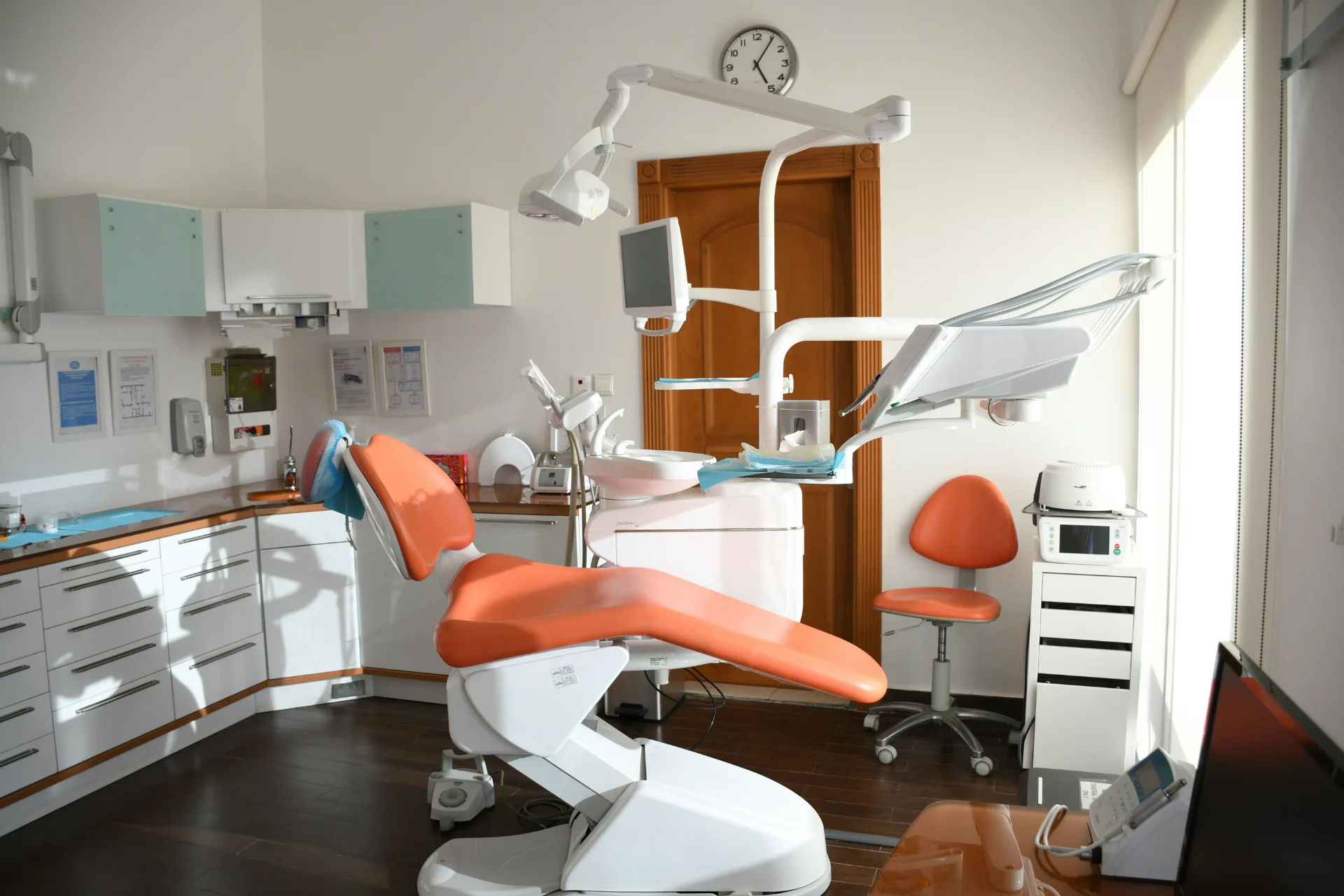
You've completed dental school, worked as an associate for several years, and now you're ready to take the leap into practice ownership. The excitement of building something from the ground up quickly meets reality when you face one of the most daunting questions: what dental equipment do you actually need, and how much will it cost?
Starting a dental practice equipment checklist is more than just a shopping list. It's a strategic roadmap that balances clinical excellence with financial sustainability. According to recent industry data, the average startup cost for equipping a dental office ranges from $500,000 to $750,000, with equipment alone accounting for 30% of your total investment. In 2026, these numbers reflect not just traditional clinical tools, but the digital technologies that patients now expect and competitors already offer.
This comprehensive guide breaks down everything you need to know about equipping your new practice. We'll cover critical must-have equipment for day one, high-value technology investments that drive ROI, phased purchasing strategies to manage cash flow, and the 2026 technology trends reshaping equipment decisions. Whether you're opening two operatories or four, going basic or building a fully digital practice, this checklist will help you make informed decisions that set your practice up for long-term success.
Budget Planning & Financial Overview
Before selecting a single piece of equipment, you need a clear financial framework. Understanding the full scope of your investment helps you prioritize spending, secure appropriate financing, and avoid the costly mistakes that derail many startup practices.
Total Startup Equipment Costs
Your equipment budget will vary significantly based on practice size, technology choices, and geographic location. Here's what you can expect in 2026:
Basic Setup ($200,000 - $300,000): This covers 2 operatories with essential equipment only. You'll have functional dental chairs, basic digital x-ray systems, necessary sterilization equipment, and fundamental handpieces and instruments. This approach gets you operational but offers limited technological advantages. It's suitable for practices in less competitive markets or those planning aggressive growth through cash flow rather than initial investment.
Standard Setup ($300,000 - $400,000): This range accommodates 2-3 operatories with some digital technology integration. You'll add intraoral cameras, potentially an entry-level intraoral scanner, enhanced imaging capabilities, and quality practice management software. Most new practices in suburban markets fall into this category, balancing modern capabilities with manageable debt service.
Modern Setup ($400,000 - $500,000+): This investment creates 3-4 operatories with comprehensive digital workflows. Expect premium intraoral scanners, advanced imaging including panoramic x-rays, AI-powered diagnostic tools, robust practice management systems, and potentially CAD/CAM capabilities. According to Shinoda Dental's 2025 analysis, practices requiring specialty operatory layouts and advanced imaging systems typically see costs reaching the upper end of this range.
Cost Categories Breakdown
Understanding how your equipment budget divides across categories helps you identify areas for strategic savings or necessary splurges:
Clinical Equipment (60-70%): Dental chairs, delivery systems, handpieces, instruments, and operatory furniture form the backbone of your practice
Technology & Software (10-15%): Practice management systems, digital imaging, intraoral scanners, and AI tools drive efficiency and patient satisfaction
Office & Administrative (15-20%): Front desk computers, phone systems, reception furniture, and patient area amenities create first impressions
Safety & Sterilization (5-10%): Autoclaves, ultrasonic cleaners, infection control supplies, and compliance equipment protect patients and staff
Ideal Practices notes that these percentages can shift dramatically based on your clinical philosophy and technology adoption strategy.
Financing Options Overview
Few dentists can self-fund a complete practice startup. Understanding your financing options early in the planning process helps you structure debt appropriately:
Equipment Financing: Specialized lenders understand dental equipment depreciation and can structure loans that match equipment lifespans. Interest rates typically range from 5-8% with terms of 5-7 years. Many equipment suppliers offer direct financing with competitive rates.
Practice Loans: Traditional business loans cover not just equipment but also build-out, working capital, and initial operating expenses. Banks and credit unions familiar with dental practices offer more favorable terms than generic small business loans.
SBA Loans: Small Business Administration-backed loans provide lower rates and longer terms but require extensive documentation and personal guarantees. Processing times can extend several months.
Leasing vs. Buying Considerations: Leasing preserves cash flow and provides upgrade flexibility, particularly valuable for rapidly evolving technology like intraoral scanners. However, the total cost over time exceeds the purchasing cost. Calculate both scenarios for major equipment purchases to determine the best approach for your situation.
Critical Equipment (Must-Have from Day One)
These are the non-negotiables. Without this equipment, you cannot legally or safely operate a dental practice. Every item in this section should be in your Phase 1 budget.
Dental Chairs & Delivery Systems
Your dental chair is more than a piece of furniture. It's the foundation of clinical ergonomics, patient comfort, and operational efficiency. In 2026, even basic chairs offer programmable positioning, adequate patient weight capacity (minimum 300 lbs, better at 400 lbs+), and durable upholstery options.
Cost ranges from $8,000 to $25,000 per chair, depending on features and brand. Premium manufacturers like A-dec and Midmark command higher prices but offer superior ergonomics, reliability, and longevity. The A-dec 500 series remains the gold standard for ergonomics and durability, while Midmark UltraTrim offers excellent value with modern features. Budget-conscious practices can find quality chairs in the $8,000-$12,000 range from manufacturers like TPC and Forest.
Start with 2-3 chairs minimum. Two operatories allow you to work while a hygienist sees patients, maximizing revenue per day. Three operatories provide flexibility for multiple hygienists or faster patient turnover.
Key decision points include hydraulic versus electric operation (electric offers more precise positioning), integrated delivery systems versus separate units, and upholstery that balances cleanability with patient comfort.
Dental Lights
LED lighting has become the standard in 2026, offering superior color rendering, longer lifespan, and cooler operation compared to traditional halogen systems. Cost ranges from $1,500 to $5,000 per light.
Consider mounting options carefully. Chair-mounted lights are less expensive but can interfere with the dentist's positioning. Ceiling-mounted or track-mounted lights provide maximum flexibility but require careful installation planning. Wall-mounted options split the difference in cost and functionality.
Look for lights with at least 20,000 to 30,000 lumens and color temperatures between 4,500K and 5,500K, which provide true tissue color rendering for accurate diagnosis.
Delivery Systems & Handpiece Connections
Your delivery system connects handpieces, air-water syringes, and suction to the dental unit. The choice between rear delivery, side delivery, and over-the-patient systems affects both clinician ergonomics and patient experience.
Rear delivery systems are most ergonomic for right-handed operators working from the 7-12 o'clock position. Side delivery provides ambidextrous flexibility. Over-the-patient delivery maximizes assistant access but can feel imposing to patients.
Each operatory needs 4-6 handpiece connections to accommodate high-speed, low-speed, ultrasonic, and air-water syringe needs. Cost typically bundles with dental chairs or ranges from $3,000 to $8,000 for separate systems.
Diagnostic & Imaging Equipment
Film X-rays are obsolete in 2026. Patients expect digital imaging, which offers immediate results, lower radiation exposure, and easy sharing with specialists and insurance companies.
Intraoral Sensors: Budget $6,000 to $12,000 per sensor. You'll need at least 2-3 sensors in different sizes (size 0 for pediatrics, sizes 1 and 2 for adults). Leading brands include Dexis, Schick, and Carestream. Wireless sensors offer more flexibility but typically cost 20-30% more than wired options.
The decision between wired and wireless sensors often comes down to workflow preferences. Wireless eliminates cable management and feels more modern, but wired sensors connect more reliably and don't require charging management.
Panoramic X-Ray: This single image captures all teeth, jaws, and surrounding structures in one shot. Cost ranges from $25,000 to $45,000 for digital panoramic systems. 2D panoramic x-rays meet most general practice needs. 3D capabilities (CBCT) add $20,000 to $50,000 but provide critical information for implant planning and complex cases.
Software Systems: Digital imaging requires accompanying software for capture, storage, and enhancement. Many manufacturers bundle software with sensors, or you can purchase standalone systems for $2,000 to $5,000.
CBCT (Cone Beam Computed Tomography): While optional in year one, CBCT is increasingly expected for practices offering implants, complex extractions, or endodontics. Cost ranges from $50,000 to $100,000+, depending on the field of view (FOV) size and features. Mid FOV systems serve most general practice needs, while large FOV accommodates full maxillofacial imaging.
Most startup practices should plan CBCT for year 2-3 rather than day one unless implant dentistry is a core service offering.
Intraoral Cameras
These cameras transform patient education and treatment acceptance. When patients see what you see, they understand recommendations and accept treatment at higher rates.
Cost ranges from $1,500 to $6,000 per camera. Key features include HD resolution (minimum 1080p), integrated LED lighting for clear images, wireless capability for ease of use, and compatibility with your practice management software.
Leading brands include Digital Doc, Acteon, and MouthWatch. Install at least one camera per operatory. The ROI typically occurs within 6-12 months through increased treatment acceptance.
Handpieces & Instruments
These workhorse tools require quantity and quality. You'll need 4-6 minimum (2 per operatory) to maintain proper sterilization cycles. Cost ranges from $800 to $3,000 each.
Premium brands like KaVo and NSK offer superior reliability, smoother operation, and better ergonomics. Mid-tier options from companies like Star Dental provide good value. Budget Chinese imports can work, but expect shorter lifespans and more frequent repairs.
Electric handpieces offer more torque and quieter operation but cost 2-3 times more than air-driven units. Most startup practices begin with air-driven and add electric handpieces as revenue allows.
Fiber optic lights in handpieces improve visibility significantly and should be considered standard in 2026.
There are also low-cost handpieces that might do the job right, but they often face some technical issues or get worn out easily.
These versatile tools handle polishing, cavity preparation in softer materials, and many other applications. Budget for 2-4 minimum at $600 to $2,000 each.
You'll need various attachments, including prophy angles (disposable or reusable), contra-angles for cavity preparation, and straight handpiece attachments for lab work.
Ultrasonic Scalers
Essential for hygiene operatories, ultrasonic scalers use high-frequency vibration to remove calculus efficiently. Cost ranges from $1,500 to $4,000 per unit.
The choice between piezo and magnetostrictive technology affects tip variety, power, and water delivery. Most practices prefer piezo scalers for their efficiency and lower heat generation.
Budget one scaler per hygiene operatory minimum.
Basic Hand Instruments
Your initial instrument setup will cost $5,000 to $15,000, depending on quantity and quality. Essential categories include:
Examination instruments (mirrors, explorers, perio probes)
Restorative instruments (amalgam carriers, condensers, carvers, burnishers)
Surgical instruments (elevators, forceps, curettes)
Hygiene instruments (scalers, curettes in various designs)
Organization matters as much as the instruments themselves. Cassette systems organize instruments by procedure, improving efficiency and reducing setup time. Tray systems are less expensive initially but slower in the daily workflow.
Sterilization & Infection Control
Infection control is non-negotiable. The CDC and state regulations mandate specific sterilization protocols, and your equipment must meet these standards.
Autoclaves (Critical)
Class B autoclaves represent the gold standard for dental sterilization. These units use vacuum cycles to ensure steam penetration of wrapped instruments, porous materials, and hollow items.
Cost ranges from $3,000 to $12,000 depending on chamber size and features. Brands like Tuttnauer, Midmark, and SciCan offer reliability and regulatory compliance.
You need at least one autoclave, ideally two for backup. Chamber size should accommodate your busiest days. Small chambers (6-8 liters) work for 1-2 operatory practices. Medium (10-12 liters) serves most small practices. Large chambers (17+ liters) accommodate higher-volume practices or those with many instruments.
Every autoclave requires sterilization monitoring systems (biological indicators, chemical indicators) to verify proper function and meet regulatory compliance.
Ultrasonic Cleaners
This pre-sterilization step removes debris before instruments enter the autoclave. Cost ranges from $500 to $2,000 depending on tank size and features.
Ultrasonic cleaning is essential, not optional. Manual scrubbing risks injury from sharp instruments and rarely achieves the cleanliness needed for proper sterilization.
Instrument Washers (Optional Year 1)
These automated systems thoroughly clean instruments before sterilization, reducing manual labor and exposure to contaminated instruments. Cost ranges from $8,000 to $15,000.
While helpful, instrument washers are not essential in year one. Most startup practices add them in year 2-3 as staffing needs and efficiency concerns grow.
Other Infection Control Equipment
Don't overlook these essential items:
Personal Protective Equipment (PPE) storage and supplies
Sharps containers (wall-mounted in each operatory)
Surface disinfection supplies and dispensers
Hand hygiene stations ($200-$500 per operatory) with touchless soap and towel dispensers
Utility & Support Systems
These behind-the-scenes systems enable everything else to function properly.
Air Compressor. Dental handpieces, air-water syringes, and other pneumatic equipment require a consistent compressed air supply. Cost ranges from $2,000 to $8,000, depending on capacity and features.
Calculate your CFM (cubic feet per minute) requirements based on operatory count. Each operatory typically requires 5-7 CFM. Add 20% for future growth and equipment additions.
Oil-free compressors eliminate contamination risk in patient care but cost more initially. Lubricated compressors are less expensive but require oil-water separators to protect air quality.
Quiet operation matters. Your compressor should produce no more than 60-70 decibels, especially if located near clinical areas.
Vacuum/Suction System
Every dental procedure requires suction for patient safety and comfort. Cost ranges from $5,000 to $15,000 for central vacuum systems.
Wet vacuum systems handle both air and liquid waste, making them standard for dental practices. Dry vacuum systems require separate liquid handling and are less common.
Calculate vacuum requirements at 15-20 CFM per operatory. Undersized vacuum systems create frustrating slowdowns and potential safety issues.
The EPA mandates amalgam separators ($2,000-$5,000) to prevent mercury contamination of wastewater. Installation is required, not optional, and must be documented for compliance.
Water System
Autoclaves require distilled water to prevent mineral buildup and extend equipment life. Budget $500 to $2,000 for distilled water systems or plan for ongoing bottled distilled water purchases.
Dental unit waterlines require treatment systems to prevent biofilm formation and maintain water quality. Cost ranges from $500 to $1,500 for waterline treatment systems, plus ongoing chemical costs.
High-Value Technology Investments
Modern dental practices succeed through technology that improves clinical outcomes, enhances efficiency, and elevates patient experience. These investments often differentiate your practice from competitors and drive significant ROI.
Intraoral Scanners
The question in 2026 isn't whether to buy an intraoral scanner, but which one and when. According to the Institute of Digital Dentistry, U.S. intraoral scanner penetration reached 57% in 2025, and patients increasingly expect digital impressions. Traditional PVS impressions feel outdated to many patients, particularly those who've experienced digital scanning elsewhere.
Why They're Increasingly Essential
Beyond replacing messy impressions, intraoral scanners enhance diagnosis, treatment planning, and patient communication. Real-time visualization of scan data helps patients understand their oral health status and recommended treatments. The result: higher treatment acceptance rates, fewer remakes due to impression errors, and faster turnaround times with digital labs.
Invisalign requires digital scans (though they accept iTero scans at no scanning fee). If clear aligner therapy is part of your service mix, scanner selection matters.
Cost and Options
Entry-level options ($10,000-$20,000) include the Medit i600 and basic Carestream scanners. These units provide solid scan quality suitable for most restorative work and orthodontic records. Subscription costs are typically minimal or zero.
Mid-range systems ($20,000-$30,000) like the Medit i900 and 3Shape Trios Move offer enhanced scan speed, improved accuracy, and additional clinical applications like caries detection and shade matching. These scanners balance capability with affordability.
Premium scanners ($30,000-$45,000) include the iTero Element 5D and Dentsply Sirona Primescan. These systems provide the fastest scanning, highest accuracy, AI-powered diagnostic features, and the most extensive software ecosystems. Subscription costs range from $0 to $3,000 annually, depending on features and integration.
ROI Timeline
Most practices achieve positive ROI within 12-24 months through increased case acceptance, reduced lab remakes, faster workflows, and the ability to offer digital dentistry services that attract patients. The 2025 digital dentistry trends analysis indicates that 18% of dental professionals have already integrated AI into workflows, with another 66% considering adoption, largely driven by scanning technology.
Practice Management Software
You cannot run a modern dental practice without robust practice management software. This system manages scheduling, patient records, billing, insurance claims, treatment planning, and patient communications.
Why It's Non-Negotiable in 2026
Paper-based or inadequate systems create chaos. Missed appointments, billing errors, poor patient communication, and inefficient workflows cost far more than quality software. Patients expect online booking, text appointment reminders, digital forms, and seamless payment processing.
Cloud-Based vs. Server-Based
Cloud-based systems (SaaS model) typically cost $300 to $800 per month with no significant upfront investment. Benefits include automatic updates, remote access, no server maintenance, and easier multi-location expansion. Examples include Curve Dental, tab32, and Denticon.
Server-based systems require one-time purchases of $10,000 to $30,000 plus annual support fees. Examples include Dentrix and Eaglesoft. These systems offer more customization and don't require monthly payments, but demand local IT support and hardware maintenance.
Most startup practices in 2026 choose cloud-based systems to minimize upfront costs and infrastructure complexity.
Integration Requirements
Your practice management software must integrate seamlessly with digital imaging, intraoral scanners, and other clinical systems. Poor integration creates duplicate data entry, workflow bottlenecks, and frustrated staff.
Verify integration compatibility before committing to any major software purchase.
Essential Features
Look for online booking capabilities, automated patient communication (text and email reminders), insurance verification and claims processing, treatment plan presentation with visual tools, and comprehensive reporting for practice analytics.
CAD/CAM Systems (Optional)
Same-day crown capability represents the pinnacle of digital dentistry, but it's not essential for day one.
Investment and Capability
Complete CAD/CAM systems cost $80,000 to $150,000, including an intraoral scanner (if not already purchased), design software, and milling unit. The CEREC ecosystem from Dentsply Sirona offers an integrated closed system. Open systems allow flexibility in component selection but require more technical knowledge.
When to Add
Most practices should wait until year 2-3 unless same-day dentistry is a core differentiator in your market. ROI calculations depend on case volume. You typically need 20-30 crown cases monthly to justify the investment. Below that threshold, sending cases to labs remains more cost-effective.
However, as Dr. Ahmad Al-Hassiny notes in his analysis of digital trends, in-house milling provides significant value for emergency cases, particularly during weekends and holidays when patients will pay premium fees for immediate treatment.
AI-Powered Tools (Emerging)
Artificial intelligence has moved from experimental to practical in dental practice. AI diagnostic tools analyze X-rays and scans, identifying caries, bone loss, and other pathologies that human eyes might miss.
Current Options and Costs
Leading AI platforms include Pearl, Overjet, and Diagnocat. Subscription costs typically range from $200 to $500 per month. These tools integrate with existing digital imaging systems, analyzing images in real-time and flagging areas of concern.
Research indicates AI can improve case detection rates by 20% or more, particularly for interproximal caries and early periodontal disease that patients don't yet feel symptomatic about.
Patient Communication Value
Beyond diagnosis, AI tools provide objective, visual documentation of oral health status. When you show patients an AI-generated analysis highlighting problems, treatment acceptance improves. The technology adds credibility to your recommendations through third-party validation.
Insurance Considerations
Some insurance companies now require AI analysis for certain claim types, particularly complex periodontal cases. This trend is expected to expand, making AI tools increasingly necessary rather than optional.
Office & Administrative Equipment
Clinical equipment dominates your budget, but front office systems create first impressions and drive operational efficiency.
Front Desk Setup
Your reception area is command central for practice operations.
Computers: budget for 2-3 workstations at $1,000 to $2,000 each. Dual monitors significantly improve productivity, particularly for insurance verification and treatment plan presentation. Don't skimp on processing power. Slow computers frustrate staff and patients.
Printers/scanners: multi-function units combining printing, scanning, and copying cost $300 to $1,000. Budget for color printing capability for marketing materials and patient education.
Phone system: VoIP (Voice over Internet Protocol) systems cost $50 to $150 per month per line and offer features like call routing, voicemail to email, and easy multi-location integration. Traditional phone lines cost less monthly but offer fewer features and limited scalability.
Reception desk and chairs: first impressions matter. Budget $2,000 to $5,000 for a quality reception desk and seating. Ensure sufficient space for computers, phones, and daily operations.
Payment processing equipment: credit card terminals and processors cost $50 to $300 initially, plus transaction fees (typically 2-3% of payments). Many practice management systems include integrated payment processing.
Patient Areas
Your waiting room speaks volumes about your practice before patients reach the clinical area.
Waiting room furniture: budget $3,000 to $10,000 for comfortable, professional seating, end tables, and decor. Consider demographics when selecting furniture. Pediatric practices need different seating than practices serving primarily adult populations.
Entertainment options: wall-mounted TVs, current magazines, and dedicated kids' play areas make waiting time more pleasant. Budget $1,000 to $3,000 for basic amenities.
Accessibility: ADA compliance isn't optional. Ensure adequate space for wheelchairs, accessible seating, and accommodations for patients with various disabilities.
Check-in kiosk (optional): self-service kiosks for appointment check-in and form completion cost $1,500 to $5,000. They reduce front desk workload and appeal to tech-savvy patients.
Back Office
Staff need functional spaces for breaks, storage, and personal belongings.
Break room essentials: refrigerator, microwave, sink, table, and chairs create comfortable staff spaces. Budget $2,000 to $5,000 for basic furnishings.
Storage and organization: cabinets, shelving, and organizational systems for supplies, equipment, and records. Adequate storage prevents clutter in clinical areas.
Personal lockers: secure storage for staff belongings protects personal items and maintains professional appearance in clinical areas.
Staff Considerations
Scrubs and uniforms: professional appearance matters. Budget $100 to $200 per employee for 3-4 sets of scrubs or professional attire.
Loupes for dentists: magnification is essential for modern dentistry. Entry-level loupes cost $500, while premium surgical loupes with LED lights range from $1,500 to $3,000. This is not an area to skimp. Proper magnification and ergonomics prevent career-shortening neck and back problems.
Staff loupes: hygienists benefit greatly from magnification. Budget $500 to $1,500 per hygienist for quality loupes.
Safety, Compliance & Environmental
Operating a dental practice requires strict adherence to multiple regulatory agencies. Non-compliance risks fines, legal liability, and practice closure.
OSHA Compliance Equipment
The Occupational Safety and Health Administration mandates specific safety equipment and procedures.
Eyewash stations: required in any area where chemical exposure is possible. Wall-mounted or portable units cost $150 to $500. Test monthly and document testing.
First aid supplies: fully stocked first aid kits must be accessible in clinical areas. Budget $100 to $300 for commercial kits meeting OSHA standards.
Fire extinguishers: required by fire codes. Each operatory and key area needs appropriately rated extinguishers at $50 to $150 each. Professional inspection and servicing are mandatory annually.
Emergency exit signage: lighted exit signs and emergency evacuation plans must be clearly posted.
Bloodborne pathogen kit: spill cleanup materials for exposure incidents. Cost approximately $50 to $150.
Documentation & Signage
Safety data sheets (SDS): every chemical in your practice requires an SDS on file and accessible to all staff. Many practices use electronic SDS systems for easier management and updates.
Hazard communication posters: OSHA requires specific posters visible to all employees, including hazard communication, bloodborne pathogens, and emergency procedures.
HIPAA privacy notices: patient privacy regulations require posted notices and signed acknowledgments.
Emergency procedures: posted evacuation routes, emergency contact information, and response procedures for medical emergencies.
Environmental Considerations
Amalgam separator: EPA regulations require amalgam separators to prevent mercury contamination of wastewater. Cost ranges from $2,000 to $5,000 for installation, plus ongoing maintenance. Installation must be documented and certified.
Proper waste disposal containers: sharps containers, biohazard bags, and appropriate disposal contracts for regulated medical waste. Budget $100 to $300 monthly for medical waste disposal services.
Eco-friendly equipment choices: energy-efficient equipment reduces operating costs and environmental impact. LED lighting, water-saving equipment, and paperless systems align with growing patient values around sustainability.
Energy-efficient lighting: LED lighting throughout reduces energy consumption by 50-75% compared to fluorescent or incandescent alternatives. The upfront cost premium is minimal, and the lifespan extends 10-20 years.
Phased Purchasing Strategy
Smart equipment acquisition matches spending to revenue generation. This approach preserves working capital while building a competitive practice.
Phase 1: Day One Essentials (Opening Day)
Your absolute minimum to legally and safely operate includes:
2 fully equipped operatories (chairs, lights, delivery systems)
Basic digital x-ray systems (2 sensors, positioning devices, software)
Essential sterilization equipment (1 autoclave, ultrasonic cleaner)
Complete handpiece sets (4 high-speed, 2 low-speed)
Basic hand instrument sets organized for efficiency
Air compressor and vacuum system properly sized
Front desk computer systems and phone
Basic practice management software
Reception area furniture and patient amenities
All required safety and compliance equipment
Estimated cost: $150,000 to $250,000, depending on equipment quality and technology choices.
This setup allows you to begin generating revenue immediately while minimizing initial debt.
Phase 2: First 6 Months
As revenue stabilizes and you identify workflow needs, add:
Third operatory equipment for an additional hygienist or dentist
Intraoral scanner (if not included in Phase 1)
Enhanced patient communication tools
Upgraded furniture or patient comfort items
Additional instruments and handpieces for efficiency
Backup sterilization equipment
Estimated additional investment: $50,000 to $100,000.
This phase expands capacity and adds technology that improves patient experience and treatment acceptance.
Phase 3: Year 2-3
With established revenue and identified service focus, consider:
CBCT for advanced diagnostics and implant planning
CAD/CAM system for same-day restorations
Fourth operatory for continued growth
Specialized equipment based on service focus (laser, surgical, endodontic)
Replacement or upgrade of leased equipment
Facility improvements and expansion
Investment varies widely based on choices but typically ranges from $75,000 to $200,000+.
Used vs. New Equipment Strategy
Strategically used equipment purchases can dramatically reduce startup costs without compromising quality.
Safe to buy used: dental chairs, cabinetry, large equipment like compressors and vacuum systems, furniture, and some diagnostic equipment. Authorized refurbished programs from manufacturers like iTero CPO (Certified Pre-Owned) offer warranties and service.
Should be new: sterilization equipment (autoclaves, ultrasonic cleaners), handpieces, digital sensors, and anything directly contacting patients or critical to infection control. The risk of hidden contamination or unreliable function isn't worth the savings.
Where to source used equipment: authorized dealers offering certified pre-owned, direct from closing or renovating practices, and refurbished programs from manufacturers. Always verify equipment history, condition, and remaining warranty.
Warranty considerations: used equipment without warranties risks expensive repairs shortly after purchase. Only buy used equipment with a remaining manufacturer warranty or dealer warranty coverage.
Typical savings: used equipment typically costs 30-50% less than new equivalents. A $15,000 dental chair might cost $7,500 to $10,000 used, saving $5,000 to $7,500.
Lease vs. Purchase Decision Matrix
When leasing makes sense: capital preservation is critical, latest technology is important (particularly for items that become obsolete quickly), tax benefits of lease payments are desired, or equipment needs may change as practice focus evolves.
When buying is better: long-term ownership intentions, stable equipment choices unlikely to change, better cash flow allows upfront investment, or total cost over time matters more than the monthly payment.
Tax implications: consult your accountant, but generally, equipment purchases allow depreciation deductions over time, while lease payments are fully deductible expenses annually. Section 179 allows immediate deduction of equipment purchases up to specified limits.
End-of-lease considerations: understand buyout options, return requirements, and upgrade paths before signing lease agreements. Some leases require equipment return in like-new condition, creating unexpected costs.
2026 Technology Trends Affecting Equipment Choices
The dental equipment landscape evolves rapidly. Understanding current trends helps you make future-proof investments.
Digital Dentistry as Standard
Digital workflows are no longer competitive advantages but baseline expectations. Patients who've experienced digital impressions elsewhere expect the same from you. Referring specialists increasingly require digital records. Insurance companies trend toward digital documentation requirements.
According to recent digital dentistry research, intraoral scanner adoption continues accelerating, with penetration reaching 57% in the U.S. and similar levels in mature markets worldwide. The technology has moved beyond simple impression replacement to become central to diagnosis, treatment planning, and patient communication.
Labs increasingly require digital submissions. Many offer discounts or faster turnaround for digital cases. Traditional impression workflows add time and potential error.
AI Integration
Artificial intelligence transitioned from experimental to mainstream in 2025-2026. The Institute of Digital Dentistry reports that 18% of U.S. dental professionals already integrate AI into workflows, with another 66% considering adoption.
AI applications now include:
X-ray analysis identifying caries, bone loss, and pathology
Automated charting and documentation
Treatment planning assistance
Predictive analytics for patient risk assessment
Practice management optimization
These tools improve diagnostic accuracy, increase case detection, and enhance patient education through visual AI-generated analysis.
Teledentistry Capabilities
The COVID-19 pandemic permanently expanded the acceptance of teledentistry. While not replacing in-person care, virtual consultations serve initial assessments, emergency triage, and post-operative check-ins.
Required equipment includes:
Video consultation software ($50-$200 monthly)
High-quality webcams and microphones
Intraoral cameras with wifi or cloud connectivity for remote image sharing
HIPAA-compliant communication platforms
Teledentistry capabilities position your practice as accessible and patient-centered, particularly valuable for serving rural areas or busy professionals.
Sustainability Focus
Environmental consciousness influences patients' choice of dental providers. According to surveys, younger patients particularly value sustainable practices.
Equipment choices reflecting sustainability include:
Digital systems replacing disposable materials (impressions, X-ray films)
Energy-efficient LED lighting and HVAC systems
Water-saving equipment and waterline management
Recyclable or biodegradable disposables where single-use is necessary
Marketing your environmental commitments attracts like-minded patients while reducing long-term operating costs through efficiency.
Same-Day Dentistry Growth
Patient schedules continue to compress, driving demand for single-appointment treatments. CAD/CAM systems enabling same-day crowns, bridges, and other restorations appeal to busy professionals, parents managing family schedules, and patients traveling from a distance.
While not essential for a startup, understanding this trend helps you plan technology roadmaps and facility design to accommodate future CAD/CAM integration.
Common Mistakes to Avoid
Learning from others' mistakes saves money, time, and frustration. These are the most frequent equipment errors in startup practices.
Over-Investing in Non-Essentials
New practice owners often prioritize impression over function. Expensive furniture, elaborate decorating schemes, and unnecessary technology consume capital better spent on clinical equipment or working capital reserves.
Your waiting room needs to be clean, comfortable, and professional, not luxurious. Patients judge you primarily on clinical quality, staff interactions, and convenience, not chandelier selection.
Unnecessary technology purchased too early often sits unused while monthly payments continue. Buy technology when you're ready to integrate it into workflows, not because it seems impressive.
Premium brands aren't always necessary. A $25,000 A-dec chair offers superior ergonomics, but a $12,000 quality alternative may serve you well initially, allowing capital deployment elsewhere.
Under-Investing in Key Areas
The opposite mistake is equally costly. Skimping on certain equipment creates long-term problems exceeding initial savings.
Sterilization equipment: this protects patient safety and regulatory compliance. Cheap autoclaves fail at critical moments, potentially forcing practice closure until repairs are complete. Buy quality sterilization equipment with proper warranties and service agreements.
Handpieces: budget handpieces require frequent repairs, work less efficiently, and frustrate clinical staff. The $800 handpiece requiring $400 repairs annually costs more than the $2,000 handpiece lasting five years with minimal maintenance.
Computer systems: slow, inadequate computers frustrate staff daily. Staff time costs far more than computer price differences. Buy adequate processing power, memory, and monitors.
Dental chairs: patient and operator comfort directly affects practice success. Poor chair ergonomics contribute to practitioner back and neck problems that shorten careers. Patient discomfort during longer appointments creates negative associations and poor reviews.
Lack of Integration Planning
Equipment that doesn't communicate creates workflow bottlenecks and duplicate data entry.
Your digital X-ray system must integrate seamlessly with practice management software. Intraoral scanners should connect directly to treatment planning and communication tools. Imaging systems must export easily to specialists and labs.
Proprietary closed systems lock you into specific vendors and limit future flexibility. When possible, choose open architecture equipment compatible with multiple systems.
Verify integration capabilities before major purchases. Demonstrations should include actual data transfer between systems, not just vendor promises.
Ignoring Future Growth
Today's startup is tomorrow's established practice. Planning for growth prevents expensive do-overs.
Utility systems: size air compressors, vacuum systems, and electrical capacity for 4-6 operatories, even if starting with 2. Replacing undersized systems costs far more than initial proper sizing.
Plumbing infrastructure: dental chairs require specific plumbing connections. Installing rough plumbing for future operatories during initial construction costs little but enables easy expansion.
Electrical capacity: digital equipment requires substantial electrical power. Ensure electrical panels and circuitry accommodate current needs plus 50% growth capacity.
Network infrastructure: run data cabling to all potential operatory locations during initial construction. Retrofitting network infrastructure is expensive and disruptive.
Poor Vendor Relationships
How you buy matters as much as what you buy.
Not negotiating: equipment prices are rarely fixed. Vendors have flexibility on pricing, bundled discounts, extended warranties, and payment terms. Failing to negotiate costs thousands unnecessarily.
Service agreements: understand exactly what's covered, response times guaranteed, loaner equipment availability, and annual costs before signing. Cheap equipment with expensive service costs more long-term than quality equipment with inclusive service.
Training and support: factor training quality and ongoing support into vendor selection. Equipment requiring extensive training or offering poor support frustrates staff and reduces ROI.
Vendor Selection & Negotiation Tips
Strategic vendor relationships save money and ensure reliable service throughout your practice ownership.
Authorized Dealers vs. Direct
Local dental supply companies offer one-stop shopping, established relationships with manufacturers, and responsive service. They often provide better financing terms and can bundle equipment from multiple manufacturers into comprehensive packages.
Online suppliers typically offer lower prices on consumables and smaller equipment but can't provide installation, training, or service for major purchases.
Manufacturer direct relationships work for some large purchases, but limit your negotiating leverage and may not include local service.
Most successful practices balance relationships with 1-2 local full-service suppliers for major equipment and use online sources for consumables and supplies.
Key Questions for Vendors
Ask these questions before committing to major purchases:
Service and support:
What's your average response time for service calls?
Do you provide loaner equipment if repairs extend beyond 24 hours?
Who performs service work (in-house technicians or subcontractors)?
What geographic area do you cover?
Training:
Is training included or an additional cost?
How much training is provided?
Do you offer ongoing training as staff turnover?
Are training materials provided for future reference?
Warranty coverage:
Exactly what's covered and for how long?
What's specifically excluded?
Who pays shipping if the equipment requires return for service?
What's the process for warranty claims?
Upgrade paths:
What trade-in value for future upgrades?
Can I lease equipment with upgrade options?
How does technology refresh work?
Negotiation Strategies
Package deals: vendors prefer larger orders. Bundle multiple purchases for better pricing. Negotiating an entire operatory setup provides more leverage than piecemeal purchases.
Timing matters: the end of the quarter and the end of the year create urgency for sales teams meeting quotas. December and March often yield the best pricing.
Demo and floor models: vendors showcase equipment at trade shows and in showrooms. These slightly used units sell at 20-30% discounts with full warranties.
Volume commitments: committing to purchase all future needs from one vendor (consumables, supplies, equipment) can yield significant pricing discounts.
Cash vs. financing: cash payments sometimes yield better pricing, though financing often makes more sense for cash flow management.
Don't rush: sales pressure is common. Take time evaluating options. Competition between vendors improves your negotiating position.
Service Agreement Considerations
Coverage scope: understand exactly what maintenance and repairs are covered. Does the agreement include routine maintenance, emergency repairs, parts, labor, or all of these?
Response time guarantees: "we'll get there as soon as possible" isn't acceptable. Service agreements should specify maximum response times (4 hours, 24 hours) with penalties for non-compliance.
Loaner equipment: equipment failures disrupt practice operations. Quality service agreements provide loaner equipment while yours is repaired.
Annual costs: service agreements typically cost 10-15% of equipment value annually. Calculate whether self-insuring (paying for repairs as needed) or contracting makes financial sense for each major equipment piece.
Equipment Maintenance & Longevity
Proper maintenance extends equipment life, reduces unexpected repairs, and protects your investment.
Preventive Maintenance Schedule
Consistent maintenance prevents failures and extends equipment lifespan.
Daily tasks:
Clean and lubricate handpieces after each use
Disinfect all surfaces and equipment
Check the vacuum and suction function
Verify adequate supply levels
Weekly tasks:
Check the air compressor operation and drain moisture
Inspect suction system filters and traps
Test autoclave sterilization cycles
Backup computer systems and data
Monthly tasks:
Run biological indicator tests on autoclaves
Inspect equipment for unusual wear or sounds
Check all lights and replace bulbs as needed
Review maintenance logs for patterns
Quarterly tasks:
Professional service calls for major equipment
Compressor and vacuum system detailed inspection
Dental chair and light maintenance
Update software systems
Annual tasks:
Comprehensive equipment inspection and calibration
Replace worn parts proactively
Update equipment inventory and depreciation schedules
Review and renew service agreements
Expected Equipment Lifespan
Understanding typical equipment lifespan helps you budget for replacements and avoid unexpected failures.
Dental chairs: 10-15 years with proper maintenance. Quality chairs like A-dec often exceed 15 years. Budget chairs may need replacement at 8-10 years.
Digital sensors: 5-7 years before technology advancement or physical degradation necessitates replacement. Sensor technology evolves rapidly, so planned replacement every 5 years keeps you current.
Handpieces: 3-5 years with heavy use and proper maintenance. Premium handpieces with regular service often reach 5+ years. Budget handpieces may need replacement every 2-3 years.
Autoclaves: 10-15 years with proper maintenance and descaling. Chamber gaskets require replacement every 2-3 years.
Computers: 3-5 years. Computer technology advances rapidly, and security concerns necessitate regular replacement. Budget for computer replacement every 4 years.
Software: Continuous updates required. Cloud-based systems update automatically. Server-based systems require periodic version upgrades every 3-5 years at high cost.
Intraoral scanners: 7-10 years physically, but technology advancement may drive earlier replacement to remain competitive.
X-ray units: 15-20 years for physical components, though sensor technology requires more frequent updates.
Budgeting for Replacement
Set aside 5-10% of annual revenue for equipment maintenance, repairs, and replacement. This reserve prevents debt accumulation for emergency replacements and allows strategic technology upgrades.
Plan major replacements strategically around tax years and practice growth phases. Trading in old equipment often provides better value than selling privately.
Take advantage of tax depreciation schedules. Equipment purchases provide significant tax benefits through depreciation deductions or Section 179 immediate expensing.
Conclusion
Starting a dental practice requires significant equipment investment, but strategic planning transforms this challenge into a competitive advantage. Your equipment choices shape clinical capabilities, patient experience, and long-term profitability.
The key to success lies in balancing essential equipment for day-one operations with technology investments that drive growth. Start with 2-3 operatories equipped with quality clinical equipment, digital imaging, proper sterilization systems, and reliable practice management software. Budget $200,000 to $400,000, depending on technology choices and practice size.
Phase advanced technology like intraoral scanners, CBCT, and CAD/CAM systems based on revenue generation and clinical need rather than trying to purchase everything immediately. This approach preserves working capital while allowing technology adoption to match your developing clinical skills and patient base.
The 2026 dental equipment landscape emphasizes digital workflows, AI integration, and sustainability. Patients expect modern technology, and competitors offer it. However, the most sophisticated equipment delivers no value without proper training, integration, and utilization. Buy what you're ready to use effectively, not what impresses on paper.
Avoid common mistakes of over-investing in non-essentials while under-investing in clinical fundamentals. Build relationships with quality vendors who provide not just equipment but training, service, and support. Negotiate aggressively but fairly for pricing, bundled deals, and comprehensive service agreements.
Your equipment investment sets the foundation for decades of practice success. With careful planning, strategic purchasing, and proper maintenance, you'll build a modern, efficient practice that serves patients well and provides professional satisfaction and financial reward.
Ready to start planning your equipment purchases? Download our comprehensive equipment checklist with current pricing, or use our interactive budget calculator to model different scenarios for your specific situation. Subscribe to DentalReviewed for ongoing equipment reviews, buying guides, and industry insights that help you make informed decisions throughout your practice ownership journey.
Opening a dental practice represents one of dentistry's most challenging and rewarding endeavors. The right equipment choices transform your vision into reality and set you on the path to lasting success.
Frequently Asked Questions
How much does it cost to equip a dental office in 2026?
Equipping a dental office in 2026 typically costs between $200,000 and $500,000, depending on practice size and technology choices. A basic 2-operatory setup with essential equipment only ranges from $200,000-$300,000, while a modern 3-4 operatory practice with comprehensive digital workflows can reach $400,000-$500,000 or more.
The total includes clinical equipment (60-70% of the budget), technology and software (10-15%), office and administrative setup (15-20%), and safety/sterilization equipment (5-10%).
What equipment do you need to start a dental practice?
Essential equipment for starting a dental practice includes dental chairs and delivery systems (2-3 minimum), digital x-ray systems with intraoral sensors, autoclaves and sterilization equipment, high-speed and low-speed handpieces, basic hand instruments, air compressor and vacuum/suction system, dental lights, intraoral cameras, practice management software, front desk computers and phone systems, and all required safety/compliance equipment. This represents the absolute minimum to legally and safely operate from day one.
The total list of equipment depends on the scale of your planned operations and the location you're planning to work in. There might be region-specific equipment that's required to start a dental practice.
What is the most expensive equipment in a dental office?
The most expensive equipment in a dental office typically includes CBCT (Cone Beam CT) scanners ($50,000-$100,000+), CAD/CAM systems for same-day crowns ($80,000-$150,000), panoramic x-ray units ($25,000-$45,000), intraoral scanners ($10,000-$45,000), and dental chairs with integrated delivery systems ($8,000-$25,000 each). CBCT and CAD/CAM systems represent the highest single-item investments but are often added in years 2-3 rather than day one for most general practices.
How many operatories should a new dental practice have?
A new dental practice should start with 2-3 operatories minimum. Two operatories allow you to work while a hygienist sees patients, maximizing daily revenue potential. Three operatories provide flexibility for multiple hygienists or faster patient turnover and accommodate growth without immediate expansion. Starting with fewer than two operatories limits revenue generation, while more than three increases initial costs without proportional revenue benefits until patient volume grows. Plan utility systems and facility infrastructure for 4-6 operatories, even if starting smaller, to enable cost-effective future expansion.
Do I need an intraoral scanner when starting a dental practice?
While not absolutely required on day one, an intraoral scanner is increasingly essential for competitive positioning in 2026. With 57% U.S. penetration and growing patient expectations for digital impressions, practices without scanning capabilities appear outdated. Entry-level scanners ($10,000-$20,000) like Medit i600 provide solid functionality for most restorative work and clear aligner cases. Consider including a scanner in Phase 1 if the budget allows, or plan for a Phase 2 addition within the first 6 months. The typical ROI occurs within 12-24 months through improved treatment acceptance and reduced lab remakes.
Should I lease or buy dental equipment?
The lease-versus-buy decision depends on your capital situation and equipment type. Leasing makes sense when preserving cash flow is critical, for rapidly evolving technology (like intraoral scanners that may become outdated), and when monthly tax deductions are preferred over depreciation. Buying is better for stable equipment unlikely to change (dental chairs, sterilization), when total cost over time matters more than monthly payments, and for items you'll use beyond typical lease terms. Consider leasing technology and buying durable clinical equipment. Always calculate both scenarios, including total cost, tax implications, and end-of-lease buyout requirements.