Safe Use of Orajel for Infants
Teething is one of the earliest and most stressful milestones for both babies and their parents. Watching an infant struggle with sore, swollen gums can feel overwhelming, and the...
Written by Rachel Thompson
Read time: 7 min read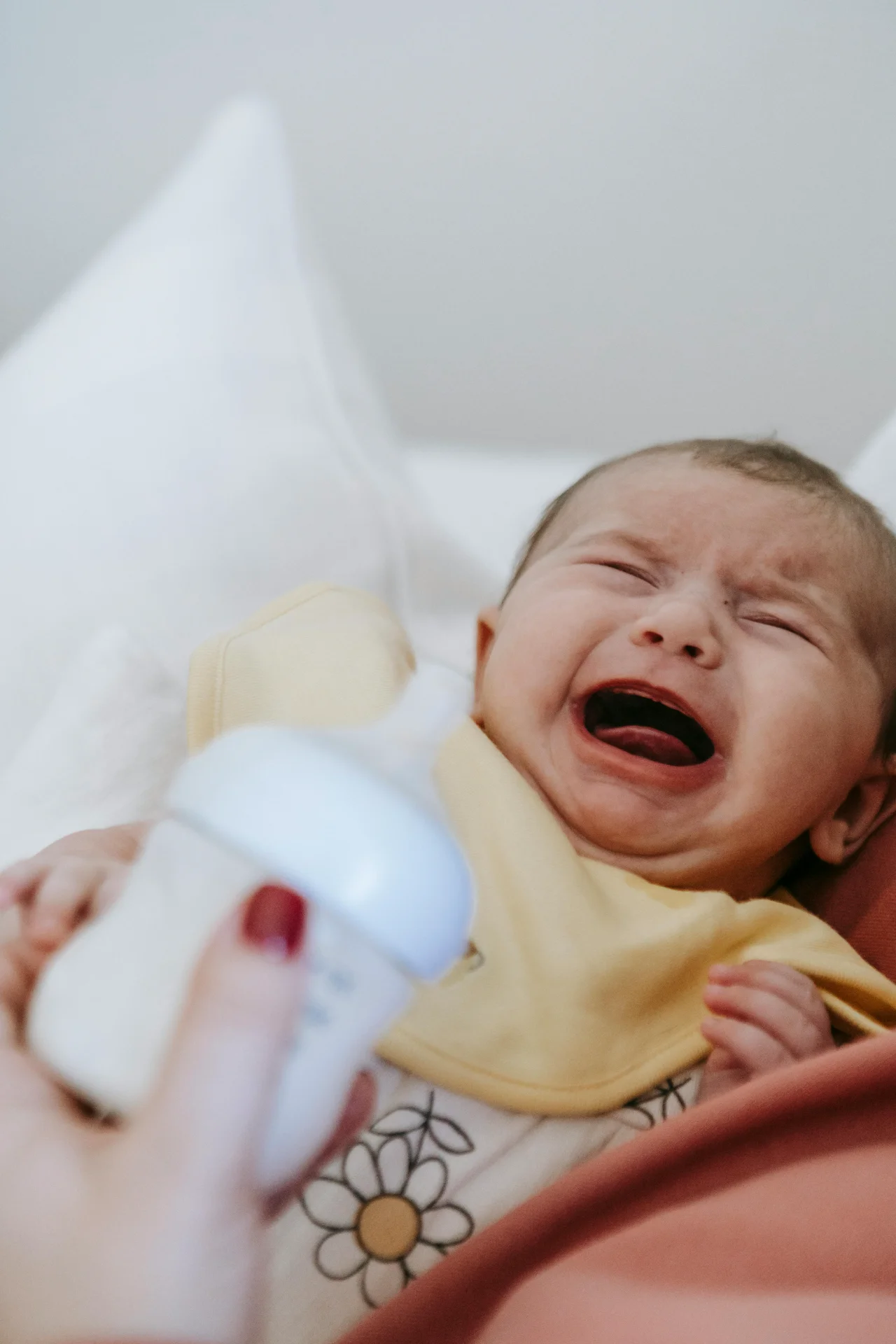
Teething is one of the earliest and most stressful milestones for both babies and their parents. Watching an infant struggle with sore, swollen gums can feel overwhelming, and the instinct to reach for something that provides quick relief is completely natural. Orajel baby products (sometimes misspelled as Orgel) are among the most recognised names in infant oral care, but many parents are understandably unsure about what these products actually contain and whether they are safe to use.
The confusion is justified. The Orajel product line has changed significantly since the U.S. Food and Drug Administration issued a major safety warning in 2018 regarding benzocaine-based teething products. The older formulations, which contained the topical anaesthetic benzocaine, are no longer marketed for infants. The current Orajel Baby products are benzocaine-free and use a different approach to soothing teething discomfort.
This guide explains what today’s Orajel for infants products contain, how they differ from the older versions, what the age guidelines are, and what paediatricians actually recommend for teething relief. It also covers nighttime use, common parent questions about effectiveness and safety, and alternative soothing methods supported by the American Academy of Pediatrics. For a broader look at how Orajel products apply to children of all ages, the companion article on Orajel for kids provides additional context.
One essential point before going further: always consult a paediatrician or paediatric dentist before applying any oral gel or medication to an infant’s gums.
Understanding Teething: What Parents Need to Know
Teething is the process by which an infant’s first set of primary teeth emerge through the gums. It is a completely normal developmental milestone, but it can cause noticeable discomfort that leaves parents searching for solutions.
When Teething Begins
Most infants begin teething between 4 and 7 months of age, though the timeline varies widely. Some babies show their first tooth as early as 3 months, while others may not begin until closer to 12 months. The full set of 20 primary teeth is usually in place by the time a child reaches 3 years old. The lower central incisors are typically the first to appear, followed by the upper central incisors.
Common Teething Symptoms
Teething can produce a range of symptoms that are often subtle but distressing for both baby and parent:
increased drooling and a tendency to chew on objects
swollen, tender gums that may appear red or slightly bruised
irritability and fussiness, especially around feeding and bedtime
disrupted sleep patterns
slight decrease in appetite
There is a common misconception that teething causes high fever, diarrhoea, or rashes. The American Academy of Pediatrics has clarified that these are not symptoms of teething. If an infant develops a temperature above 38.3°C (101°F) or experiences significant digestive issues, another cause should be investigated with a paediatrician.
The discomfort of teething is what drives many parents toward baby teething gel products like Orajel. Understanding what these products contain and how the formulations have evolved is the next step in making an informed choice.
How Long Does Teething Last?
Each tooth can cause discomfort for several days as it pushes through the gum tissue, though the worst of the pain typically occurs in the 2 to 3 days before the tooth breaks through the surface. Because infants have 20 primary teeth to produce, teething episodes can recur intermittently over the course of roughly two years. The molars, which emerge later and have larger surface areas, tend to cause more significant discomfort than the smaller front teeth.
This extended timeline is part of what makes teething such a challenge for parents. A single episode may be manageable, but dealing with recurring bouts of irritability and disrupted sleep over many months can be exhausting. Understanding the duration helps set realistic expectations and reduces the temptation to over-reliance on any single soothing product.
What Is Orajel Baby Teething Gel?
Orajel is a well-known brand of oral care products manufactured by Church & Dwight. The Orajel Baby line is specifically designed for infants and includes several products formulated to help soothe teething discomfort. Understanding what these products contain, and equally what they do not contain, is essential for any parent considering their use.
Current Product Line
The Orajel baby teething gel range currently includes several formulations, all of which are drug-free and benzocaine-free:
Orajel Baby Daytime Cooling Gel for Teething – provides a mild cooling sensation intended to soothe gums during waking hours
Orajel Baby Nighttime Cooling Gel for Teething – a slightly different formulation designed for use before bedtime, marketed as the Orajel baby cooling gel with a calming effect
Orajel Baby Daytime + Nighttime Cooling Gels – a twin pack containing both the daytime and nighttime formulas
Orajel Baby Daytime Cooling Tablets with Vitamin D – dissolvable tablets that provide a cooling effect along with Vitamin D for healthy tooth development
Orajel Baby Tooth & Gum Cleansers – products with 100% naturally sourced ingredients intended to help clean infant teeth and gums
How These Products Work
The current Orajel baby teething gel products work through a gentle cooling mechanism rather than numbing. When a small, pea-sized amount of gel is applied to the gums with a clean finger, it delivers a cooling sensation that can temporarily distract from the pressure of emerging teeth. The gel does not contain any anaesthetic agent, pain-relieving drug, or sedative.
The inactive ingredients typically include water, sorbitol, glycerin, cellulose gum, and flavouring agents. These gels are classified as cosmetics rather than drugs because they do not contain any active pharmaceutical ingredient. This is a significant distinction from the older baby oral gel products that relied on benzocaine for their pain-relieving effect.
Orajel Baby products are marketed for infants aged 3 months and older. This means that a parent wondering whether a 3-month-old can have Orajel can use the benzocaine-free baby formulation, though checking with a paediatrician first is always a good idea.
Is Orajel Safe for Babies? The Benzocaine Question
This is the most important section of this guide. The safety of Orajel for babies depends entirely on which product is being discussed. The history of this brand’s infant products involves a significant regulatory intervention that every parent should understand.
The Benzocaine Warning: What Happened in 2018
Prior to 2018, Orajel marketed teething products for infants that contained benzocaine, a topical anaesthetic designed to numb sore gums. In May 2018, the U.S. Food and Drug Administration took formal action, warning that over-the-counter benzocaine products should not be used on children under 2 years of age. The FDA asked manufacturers to stop marketing these products for infant teething entirely.
The concern centres on a rare but serious condition called methemoglobinemia. This blood disorder reduces the oxygen-carrying capacity of red blood cells, which can lead to pale or blue-grey skin, rapid heart rate, shortness of breath, and in severe cases, death. Infants are particularly vulnerable because their smaller bodies absorb the compound more rapidly. The FDA reviewed over 400 cases of benzocaine-related methemoglobinemia reported since 1971, including cases that resulted in fatalities.
Following this FDA action, Church & Dwight discontinued its benzocaine-based infant teething products. The American Academy of Pediatrics supported this decision and continues to advise against benzocaine use in young children.
Recognising Methemoglobinemia Symptoms
Parents should be aware of the warning signs of methemoglobinemia, especially if there is any chance a child has been exposed to a benzocaine product. Symptoms can appear within minutes to two hours after application and include pale, grey, or blue-tinged skin (particularly around the lips and fingernails), rapid heart rate, lightheadedness, shortness of breath, fatigue, and confusion. In severe cases, the condition can lead to seizures, loss of consciousness, and death.
The condition can occur even after a product has been used many times without incident. If any of these symptoms appear after applying an oral product to a child’s gums, parents should stop using the product immediately and call emergency services. The National Capital Poison Center provides additional guidance on managing accidental benzocaine exposure in children.
Does Baby Orajel Have Benzocaine?
The current Orajel Baby products do not contain benzocaine. This is a straightforward answer to one of the most commonly asked questions parents have. The formulations sold today under the Orajel Baby brand are drug-free, benzocaine-free, and belladonna-free. They rely on cooling agents rather than anaesthetics.
Parents who purchased Baby Orajel products before 2018 may still have benzocaine-containing tubes at home. These should be discarded and not used on infants or young children. Any teething product with benzocaine listed as an active ingredient on the label is not appropriate for babies.
Is Benzocaine-Free Orajel Safe for Babies?
The benzocaine-free Orajel Baby formulations carry a significantly different risk profile from the older products. Because they do not contain any anaesthetic or drug, the primary risk concerns associated with benzocaine, particularly methemoglobinemia, do not apply.
That said, no product intended for infant use should be considered risk-free without qualification. Parents should follow the product’s age guidelines (3 months and older), apply only the recommended pea-sized amount, limit use to no more than four times daily, and discontinue use if any unusual reaction occurs. Consulting a paediatrician before introducing any oral gel for infants is always the safest approach. A more detailed exploration of how Orajel products apply to children at different ages can help parents navigate the full product range.
Can You Use Adult Orajel on Babies?
The answer is a firm no. Adult Orajel products, including standard Orajel for toothache pain, often still contain benzocaine as an active ingredient. These formulations are designed for adults and children aged 2 and older, and they are never appropriate for infants. Applying adult Orajel to a baby’s gums could expose the child to benzocaine, creating the exact risk the FDA warned against. The Poison Control Center advises parents to always check the Drug Facts label on any oral product to confirm that benzocaine is not listed before applying it to a child’s gums.
Age Guidelines: When Can Babies Use Orajel?
Understanding which Orajel products are appropriate at which ages helps parents avoid confusion and keeps infants safe. The table below provides a clear breakdown.
Product | Minimum age | Contains benzocaine? |
Orajel Baby Cooling Gels (daytime/nighttime) | 3 months | No |
Orajel Baby Cooling Tablets | 3 months | No |
Orajel Baby Tooth & Gum Cleansers | 3 months | No |
Orajel (standard, for adults/older children) | 2 years | Yes (some formulations) |
Orajel for toothache (adult) | Adults only | Yes |
Parents asking whether a 3-month-old can have Orajel can use the benzocaine-free baby formulations, which are marketed for that age group. However, infants younger than 3 months should not be given any teething gel product. For children aged 2 and older, some Orajel formulations that contain benzocaine may be used with appropriate label warnings, but only under careful parental supervision. The question of whether kids can use Orajel depends on the specific product and the child’s age.
For more guidance on which formulations are suitable for older children, the Orajel for kids safety guide covers the full product range and age recommendations in detail.
How to Use Orajel Baby Teething Gel Safely
Applying infant teething gel correctly ensures the product works as intended while minimising any potential for irritation. These steps apply to the benzocaine-free Orajel Baby Cooling Gels.
Step-By-Step Application
Wash your hands thoroughly with soap and water before touching the baby’s mouth
Cut open the tip of the tube on the score mark
Squeeze a small, pea-sized amount of gel onto a clean fingertip or cotton applicator
Gently spread the gel over the area of the gums where the tooth is emerging
Apply up to four times daily, or as directed by a healthcare provider
Recap the tube and store it out of reach of children
How Long Does Baby Orajel Last?
The cooling effect from Orajel baby teething gel is temporary. Most parents report that the soothing sensation lasts anywhere from a few minutes to around 20 minutes. The gel mixes with saliva and is gradually swallowed, which limits how long it remains in contact with the gums. This is consistent with what the AAP has noted about topical oral products in general: they tend to wash out of the mouth quickly.
Does Baby Orajel Work?
The effectiveness of benzocaine-free baby oral gel products is modest. They do not numb pain the way the older benzocaine formulations did. Instead, they offer a mild cooling sensation that can temporarily distract from gum pressure and provide some comfort. For some babies, this is enough to reduce fussiness during a flare-up. For others, the effect may be minimal.
Parents should view teething gel as one tool among several, not a standalone solution. Combining it with other soothing strategies, covered in the alternatives section below, tends to produce the best results.
Nighttime Orajel for Infants
Nighttime teething pain is one of the most common reasons parents seek out infant teething gel products. When a baby is waking repeatedly due to gum discomfort, exhausted parents understandably want a solution that helps everyone sleep.
What Makes the Nighttime Formula Different?
Orajel Baby Nighttime Cooling Gel for Teething is marketed with a slightly different formulation compared to the daytime version. The nighttime product is designed to provide a calming, soothing experience before bedtime. Like the daytime gel, it is benzocaine-free and drug-free.
Does Nighttime Orajel Make Babies Sleepy?
The nighttime Orajel formulation does not contain any sedative, sleep aid, or drowsiness-inducing ingredient. If a baby falls asleep more easily after application, the reason is that the cooling sensation has helped reduce gum discomfort, making it easier for the infant to settle. The product itself does not cause drowsiness.
Parents asking how long nighttime Orajel makes babies sleepy should understand that the gel’s effect is tied to temporary comfort relief rather than any pharmacological sleep mechanism. The soothing effect lasts for a similar duration as the daytime version, roughly a few minutes to 20 minutes. It is not designed to provide all-night relief, and reapplication may be needed if the baby wakes, following the label’s maximum daily usage guidelines.
Additional Nighttime Teething Tips
Alongside or instead of nighttime teething gel, parents can try several strategies to help a teething baby sleep more comfortably:
offering a chilled (not frozen) teething ring or damp washcloth shortly before bedtime
gently massaging the baby’s gums with a clean finger
maintaining a calm, consistent bedtime routine to help the baby settle
using white noise to provide a soothing background sound
speaking to a paediatrician about infant acetaminophen if the discomfort is severe
Safer Alternatives to Teething Gels
While benzocaine-free infant teething gel products like Orajel Baby are available, many paediatric health organisations recommend starting with non-medicated approaches. These methods have a strong safety profile and can be effective for the majority of teething infants.
Paediatrician-Recommended Approaches
The FDA and the AAP both recommend these methods as the first-line approach to soothing teething discomfort:
Gum massage with a clean finger, applying gentle pressure to the swollen area where a tooth is emerging
Firm rubber teething rings that the baby can chew on safely (rings should not be frozen, as extreme cold can damage delicate gum tissue)
A clean, damp washcloth that has been chilled in the refrigerator for a few minutes
Pain Relief Medication
For babies 6 months and older, a paediatrician may recommend a weight-appropriate dose of infant acetaminophen (Tylenol/Calpol) or ibuprofen (Advil/Nurofen) to manage particularly uncomfortable episodes. These should be used only as directed by a healthcare provider and should never be given to infants under 6 months without explicit medical advice. Aspirin should never be given to children of any age due to the risk of Reye’s syndrome.
Products to Avoid
Several categories of teething products have been flagged by regulatory agencies as potentially harmful:
Benzocaine-containing gels and liquids (marketed under various brand names for adult oral pain)
Topical lidocaine solutions, which the FDA has warned carry serious risks for infants and are not approved for teething
Homeopathic teething tablets, some of which have been found to contain inconsistent and potentially unsafe levels of belladonna
Amber teething necklaces, which present choking and strangulation hazards and have no evidence of pain-relieving benefit
Maintaining good oral hygiene habits from infancy, including gentle gum cleaning even before teeth appear, supports overall oral health and can help parents stay ahead of teething-related issues.
Choosing the Best Teething Gel for Infants
If a parent decides to use a soothing gel for teething, selecting the right product requires careful attention to the ingredients list. The best teething gel for infants should be benzocaine-free, lidocaine-free, and belladonna-free. It should be specifically labelled for infant use and include clear age guidelines on the packaging. Products that are classified as drug-free and use gentle cooling agents, like the Orajel Baby line, are a reasonable option for parents who want a topical product alongside non-medicated approaches.
Parents should avoid purchasing teething products from unregulated online sellers, as counterfeit or mislabelled products may contain ingredients that are not safe for infants. Buying from reputable pharmacies and checking the Drug Facts label before purchase provides an additional layer of protection. Consulting a paediatrician or paediatric dental professional about which products are appropriate for a specific child’s age and health situation remains the gold standard.
When to Call a Paediatrician
Teething is a normal process, but certain symptoms go beyond what teething alone can explain. Parents should contact a healthcare provider if any of the following occur:
A fever above 38.3°C (101°F), which is not a recognised symptom of teething and suggests another cause
Persistent diarrhoea, vomiting, or rash
Refusal to eat or drink for an extended period
Excessive crying that does not respond to any comfort measures
Signs of an allergic reaction after applying any oral product, such as swelling, hives, or difficulty breathing
Any symptoms of methemoglobinemia after accidental exposure to a benzocaine product, including pale, grey, or blue-tinted skin, lips, or nail beds
The Poison Control helpline (1-800-222-1222 in the United States) is available 24 hours a day for guidance on accidental exposure to benzocaine or any other potentially harmful substance. When in doubt, calling a paediatrician is always the right choice. There is no such thing as overreacting when it comes to an infant’s health.
Bottom Line
The question of whether Orajel is safe for babies has a nuanced answer that depends on the specific product. The current Orajel Baby formulations, which are benzocaine-free and drug-free, are available for infants aged 3 months and older and carry a significantly lower risk profile than the older products that were removed from the market. Adult Orajel products, which may still contain benzocaine, should never be applied to an infant’s gums.
Benzocaine-free baby teething gel can provide mild, temporary comfort during teething episodes, but it is not a substitute for the non-medicated approaches recommended by the American Academy of Pediatrics. Gum massage, firm rubber teething rings, and chilled washcloths remain the safest and most widely endorsed first-line strategies.
Teething is temporary. It can feel relentless in the moment, but every tooth that emerges brings a baby one step closer to a healthy, functional smile. With the right information and a paediatrician’s guidance, parents can help their little one through this phase safely and confidently. For families navigating dental costs and oral care decisions as their child grows, early awareness of safe products and practices sets a strong foundation for lifelong oral health.
This article is for informational purposes only and does not constitute medical advice. Always consult with qualified healthcare professionals for diagnosis and treatment recommendations specific to your situation.
Frequently Asked Questions
Is Orajel safe for babies?
The current benzocaine-free Orajel Baby products are considered safe for infants aged 3 months and older when used as directed. Older Orajel formulations that contained benzocaine are no longer marketed for infants due to the risk of methemoglobinemia. Always check the label to confirm the product is benzocaine-free before use.
Can a 3-month-old have Orajel?
The benzocaine-free Orajel Baby Cooling Gels are marketed for infants aged 3 months and older. A parent can use these products on a 3-month-old, though consulting a paediatrician first is recommended. Adult Orajel or any product containing benzocaine should never be used on an infant of any age.
Does baby Orajel have benzocaine?
No. The current Orajel Baby product line does not contain benzocaine. These products are drug-free and use cooling agents to provide temporary soothing relief. Benzocaine was removed from Orajel’s infant products following the FDA’s 2018 safety action.
Can you use adult Orajel on babies?
No. Adult Orajel formulations frequently contain benzocaine, which the FDA has warned should not be used on children under 2 years of age. Applying adult Orajel to an infant’s gums could expose the child to the risk of methemoglobinemia, a potentially life-threatening blood disorder.
Does nighttime Orajel make babies sleepy?
The nighttime formulation does not contain any sedative or sleep-inducing ingredient. If a baby settles more easily after application, it is because the cooling sensation has reduced gum discomfort, not because the product causes drowsiness.
How long does baby Orajel last?
The soothing effect of benzocaine-free Orajel Baby gel is temporary, typically lasting from a few minutes up to around 20 minutes. The gel mixes with saliva and washes away relatively quickly, which is consistent with how most topical oral products behave in an infant’s mouth.
What is the best teething gel for infants?
The best approach to teething relief, according to the American Academy of Pediatrics, starts with non-medicated methods like gum massage and firm rubber teething rings. If a parent wishes to use a soothing gel for teething, a benzocaine-free product designed specifically for infants, such as the Orajel Baby Cooling Gel, is a reasonable option. Paediatrician guidance is always recommended.
Is benzocaine-free Orajel safe for babies?
Benzocaine-free Orajel Baby products carry a significantly lower risk profile than the older benzocaine-based formulations. They do not pose the methemoglobinemia risk associated with benzocaine. Parents should still follow the age guidelines (3 months and older) and usage instructions on the label.
Does baby Orajel actually work?
The benzocaine-free formulations provide a mild cooling sensation rather than a numbing effect. Effectiveness varies from baby to baby. Some infants find the cooling soothing enough to reduce fussiness, while others may not respond as strongly. Paediatricians generally recommend using teething gel alongside other comfort measures rather than as a standalone solution.
How long does nighttime Orajel make babies sleepy?
The nighttime formulation does not cause sleepiness directly. Any calming effect comes from the temporary reduction of gum discomfort, not from a sedative ingredient. The soothing effect typically lasts a similar duration to the daytime gel, roughly a few minutes to 20 minutes.
Can you give babies Orajel for general mouth pain?
Orajel Baby products are marketed specifically for teething discomfort in infants aged 3 months and older. For other types of mouth pain in infants, parents should consult a paediatrician rather than self-treating with an over-the-counter product.
What should parents use instead of teething gel?
The American Academy of Pediatrics recommends gently massaging the infant’s gums with a clean finger and providing a firm rubber teething ring (not frozen) as the safest first-line approaches. A chilled, damp washcloth is another effective option. For severe discomfort in babies 6 months and older, a paediatrician may recommend a weight-appropriate dose of infant acetaminophen or ibuprofen.