Gender Bias In Dentistry: What 500 Women Reported
Gender bias in dentistry rarely makes headlines. A new survey of 500 women in dentistry spans the US, UK, and Canada. It puts hard numbers on the bias. The findings cover vendor...
Written by Maren Solvik
Read time: 8 min read
Gender bias in dentistry rarely makes headlines. A new survey of 500 women in dentistry spans the US, UK, and Canada. It puts hard numbers on the bias. The findings cover vendor pricing, patient behavior, and career setbacks tied to parenthood.
TL;DR
43 percent of women in dentistry report unequal treatment from equipment vendors or sales reps
One in four women dentists faces a patient request to switch to a male dentist
73 percent of mothers in dentistry report a career setback tied to having children
UK associates report the highest rate of unpaid parental leave among the three countries surveyed
Survey's Methodology
Dental Reviewed surveyed 500 women working in dentistry in 2026. Respondents came from the US, UK, and Canada. The sample includes practice owners, associates, clinical directors, dentists, and other dental staff. Each respondent answered closed questions on pricing, patients, and leave. Each also answered open questions about specific incidents, in their own words.
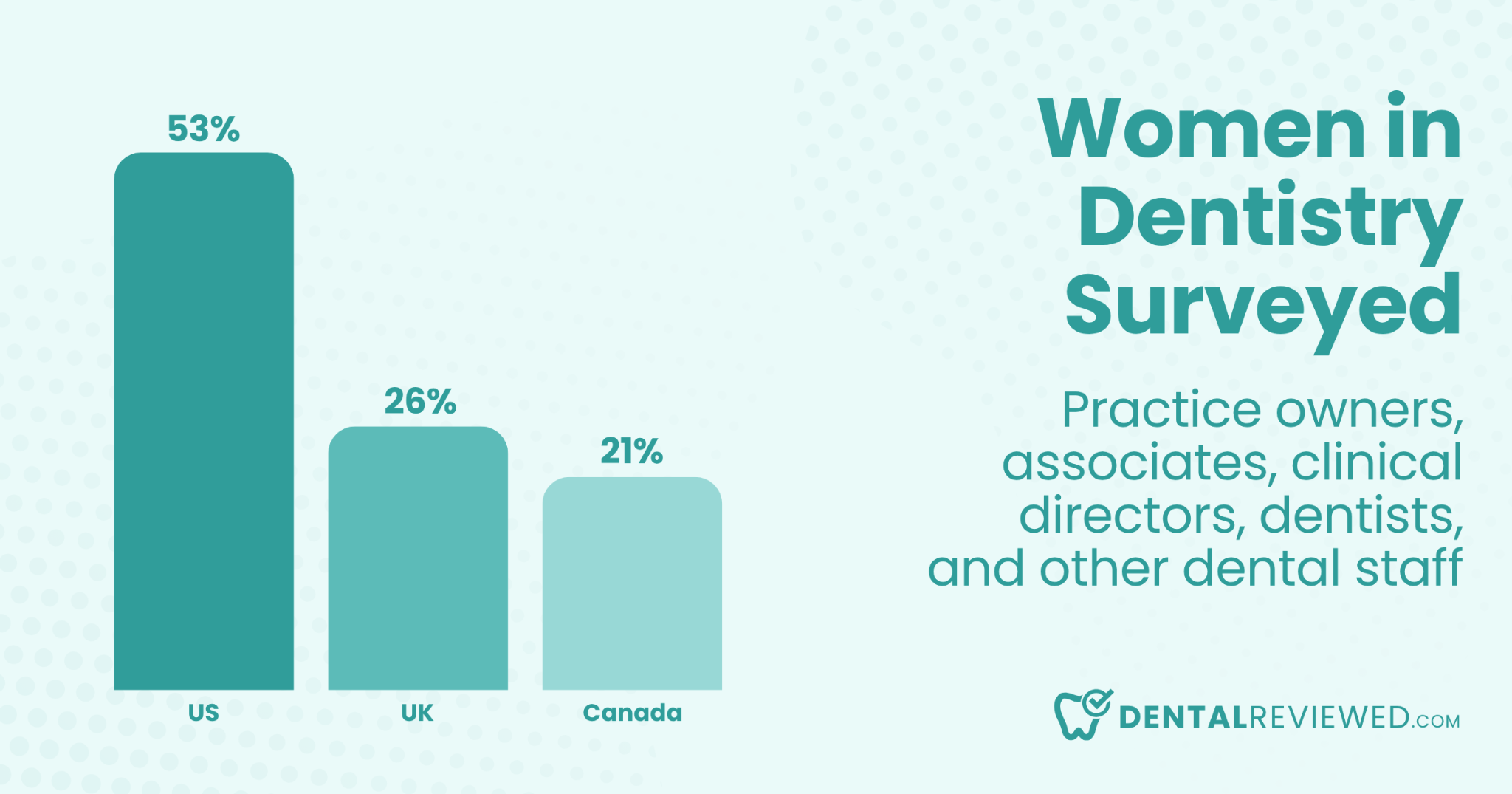
Practice owners made up the largest share, at 42 percent. Associates followed at 32 percent. Clinical directors and other dental staff filled out the rest.
Years in practice ranged from under five to more than twenty. Career stage varied on purpose. The goal was one picture across early, mid, and late career dentists.
Practice type varied too. Solo private practices made up 33 percent of the sample. Group practices made up 32 percent. DSO or corporate-owned practices made up 23 percent. Public or hospital settings made up the remaining 11 percent.
That spread matters for the numbers below. Bias does not land the same way in a solo practice as it does inside a large DSO. Breaking the data out by practice type shows where the gap is widest. It also shows where the gap has already started to close.
Vendor Bias In The Equipment Aisle
Equipment buying is where bias often starts. A single scanner or sterilizer can cost five figures. Financing terms carry real weight in that kind of purchase.
43 percent of respondents felt treated differently by a vendor because they are women. That figure combines occasional and frequent treatment. Only 41 percent said this never happens to them.
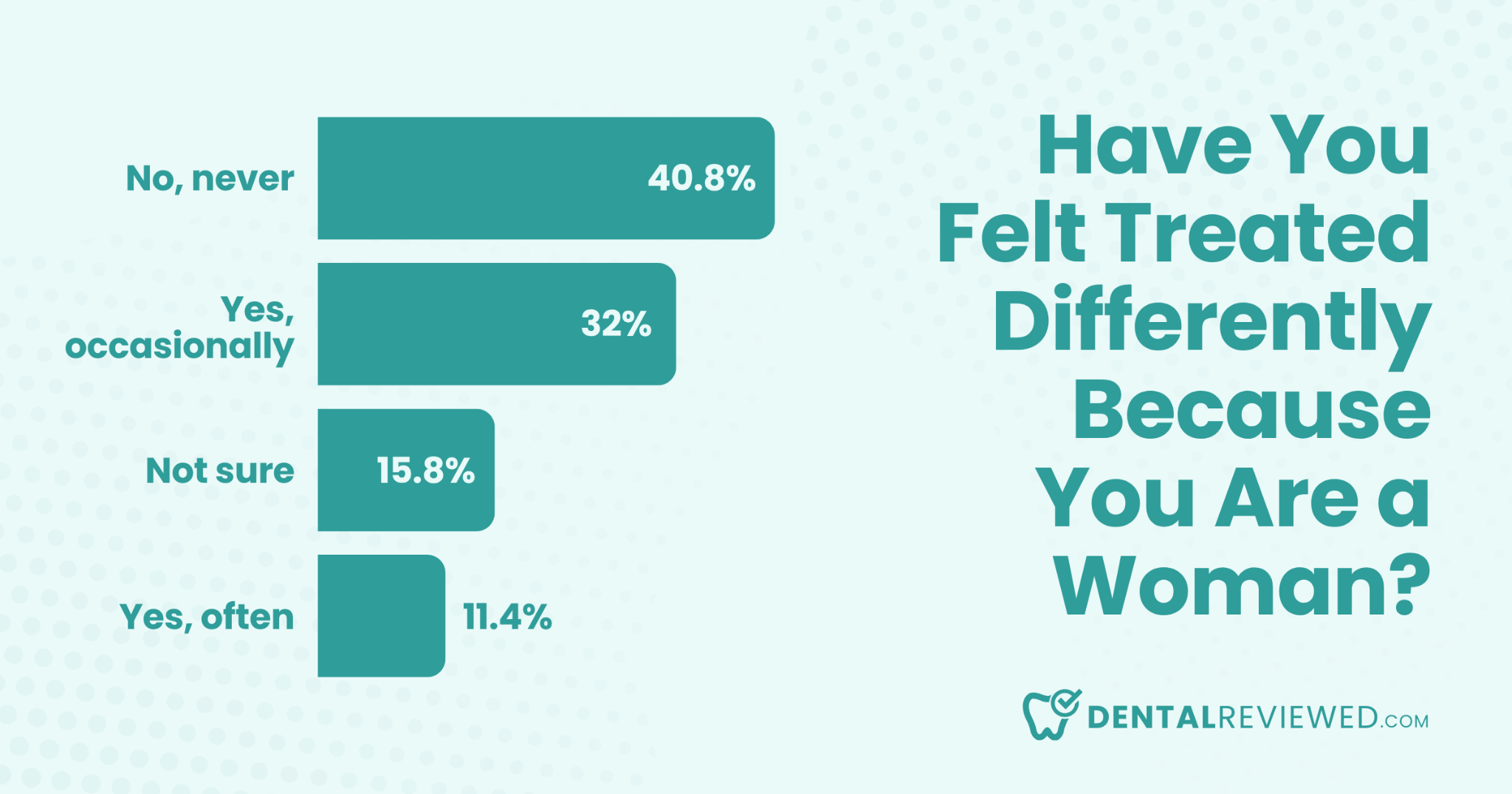
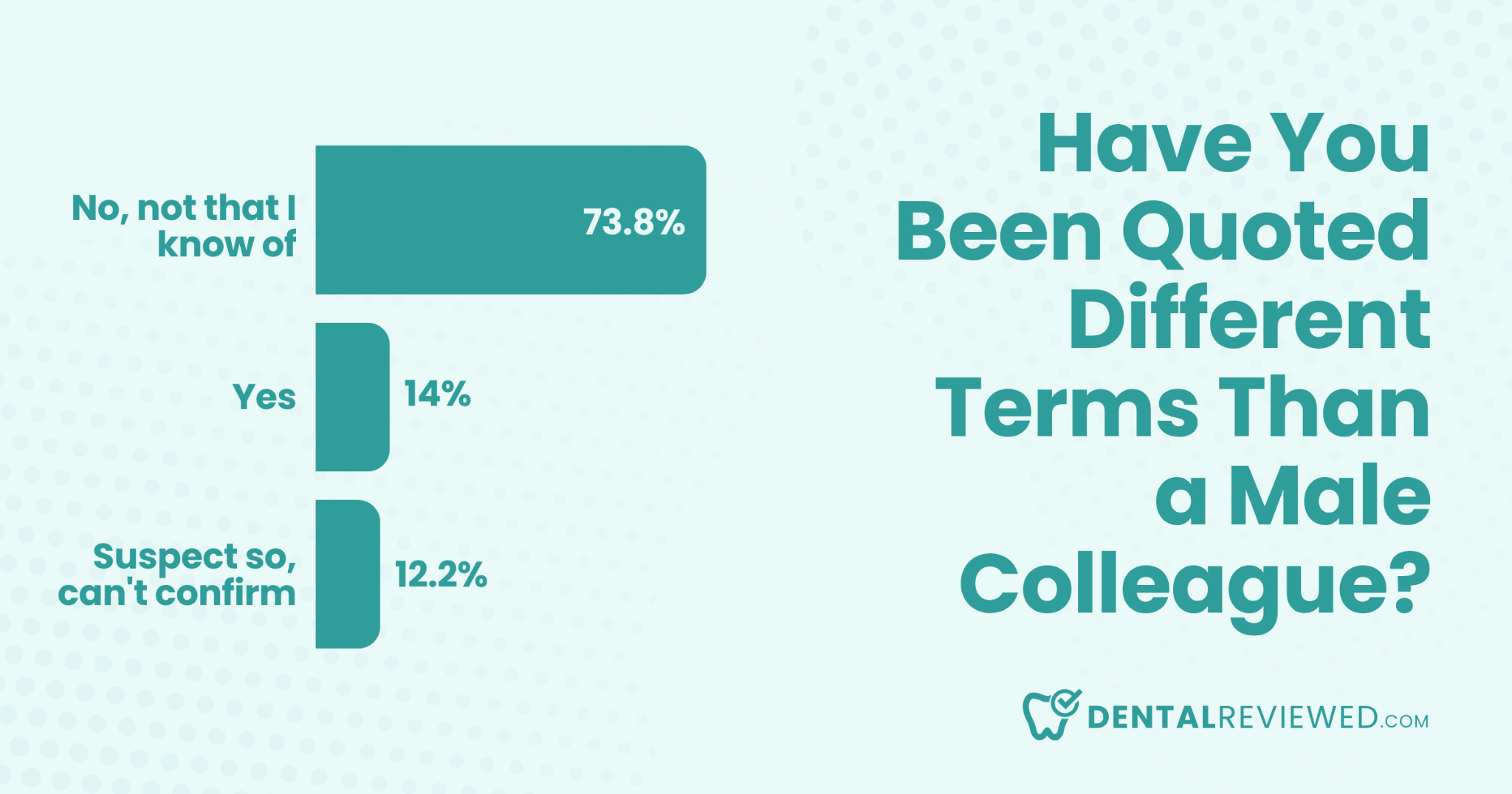
Pricing follows the same pattern. 14 percent of respondents were quoted different financing terms than a male colleague, to their knowledge. Another 12 percent suspect it happened but cannot confirm it. A pricing gap at the sales desk rarely stays a one-time cost. It compounds across a full career of equipment upgrades.
The open answers point to one specific pattern. A woman asks for the same terms a male colleague received. She is told the offer is "no longer available." The same terms reappear for him weeks later. This exact sequence came up across dozens of unrelated responses.
Reps also default to whoever looks senior in the room. Several respondents described a rep who addressed a male hygienist instead of the practice owner. This happened even after clear introductions. One vendor congratulated a respondent on "running things so well, for a woman." Respondents flagged that line as backhanded.
Darius Kucinas, practicing dentist and co-founder at Dental Reviewed, said the financing pattern is hard to write off as coincidence. "The same offer gets called unavailable for one dentist. It shows up again for a colleague a few weeks later. That is consistent enough to look like policy, even if no one ever wrote it down," he said.
Financing terms are also easier to compare with current data on hand. Our running list of dental equipment deals tracks current offers by brand.
Timing matters too. Several respondents said the bias eased after a second or third purchase from the same rep. Once trust builds, the deal often gets treated as a normal negotiation. The first purchase is where the pattern shows up most.
Patient Bias In The Operatory
Bias does not stop at the supply closet door. Patients bring their own assumptions into the operatory too.
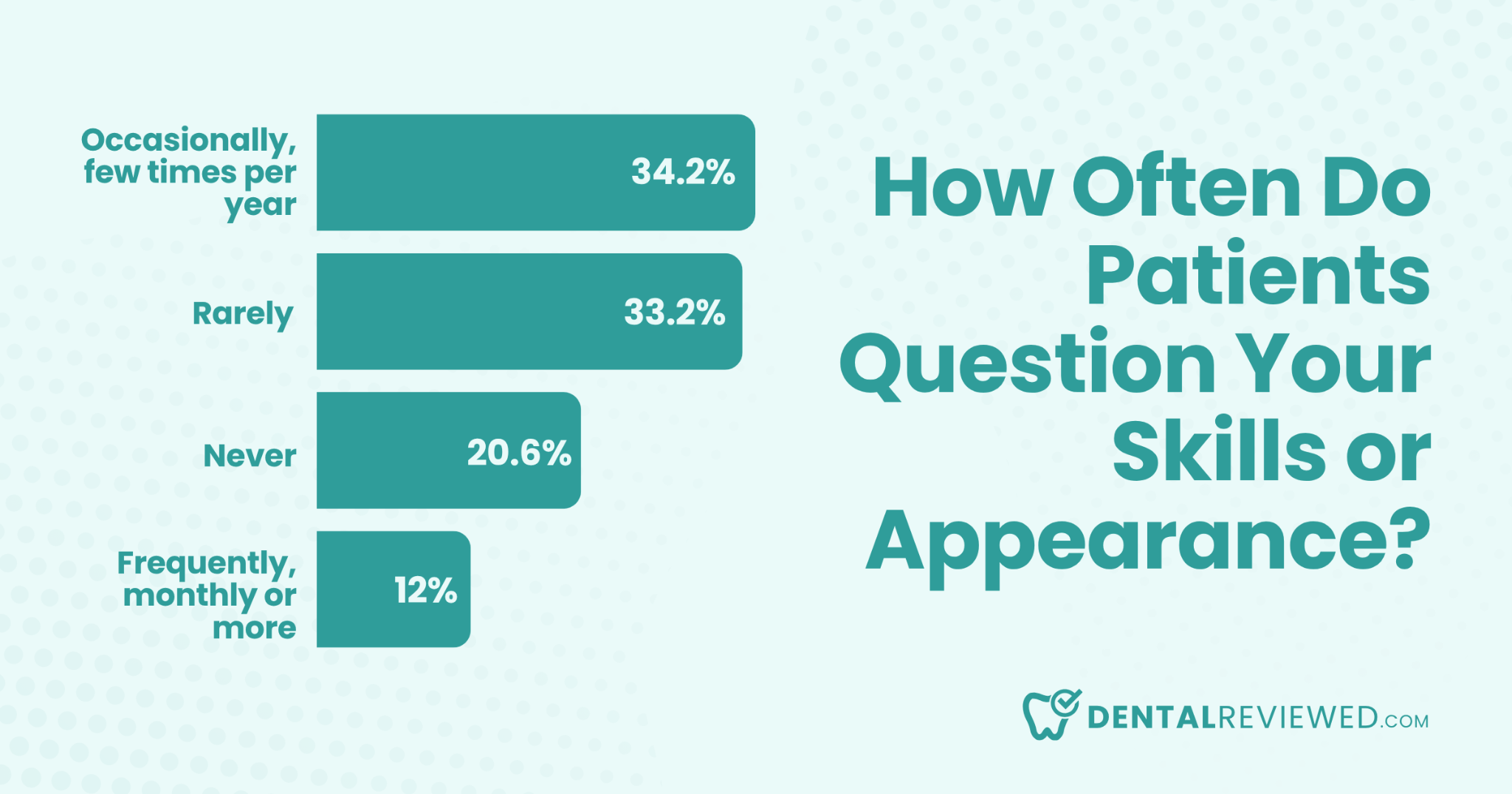
46 percent of respondents said patients question their competence, at least occasionally. Some also comment on appearance instead of treatment. Only 21 percent said this never happens to them.
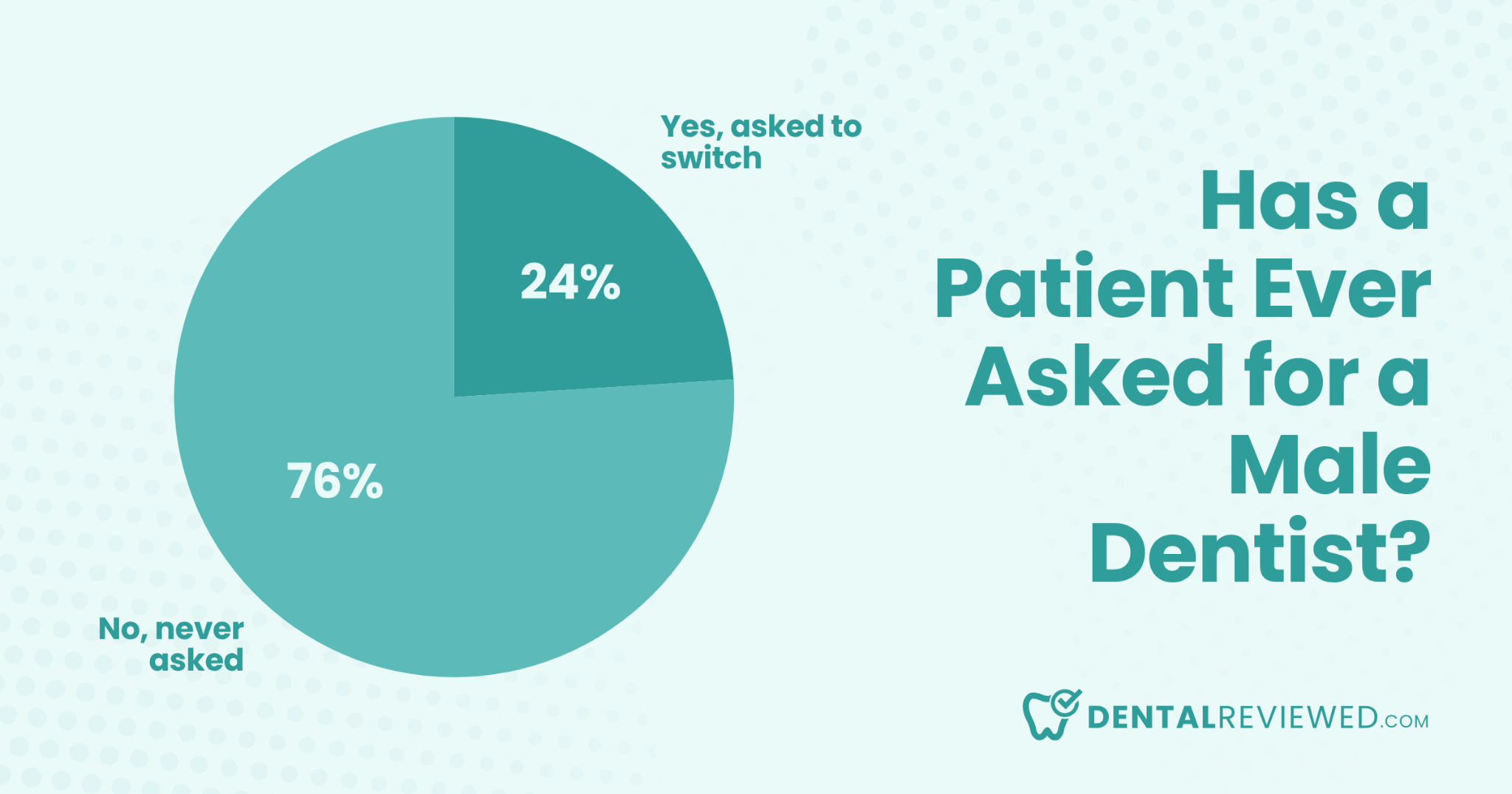
One in four respondents, 24 percent, has had a patient ask for a different dentist. The request is specific. It is a swap based on gender, not on availability or specialty.
Associates face this most. 33 percent of associate dentists have had a patient ask for a male replacement. The share drops to 16 percent among practice owners. Seniority and title appear to buffer against this kind of request. It never disappears completely, even for owners.
The phrasing repeats across responses. Patients ask for "a real dentist." Some request "not the female dentist" by name. Others say they want "a firmer hand." Being mistaken for a dental assistant came up 47 times across the open answers alone.
Some respondents said this slows down care directly. A patient may ask for a second opinion instead of starting treatment the same day. That delay falls hardest on same-day and urgent cases.
The Parenthood Penalty
Having children changes a dental career for most respondents in this survey. The change is rarely small.
283 of the 500 respondents are parents. 215 had children while already practicing. 68 had children before entering dentistry.
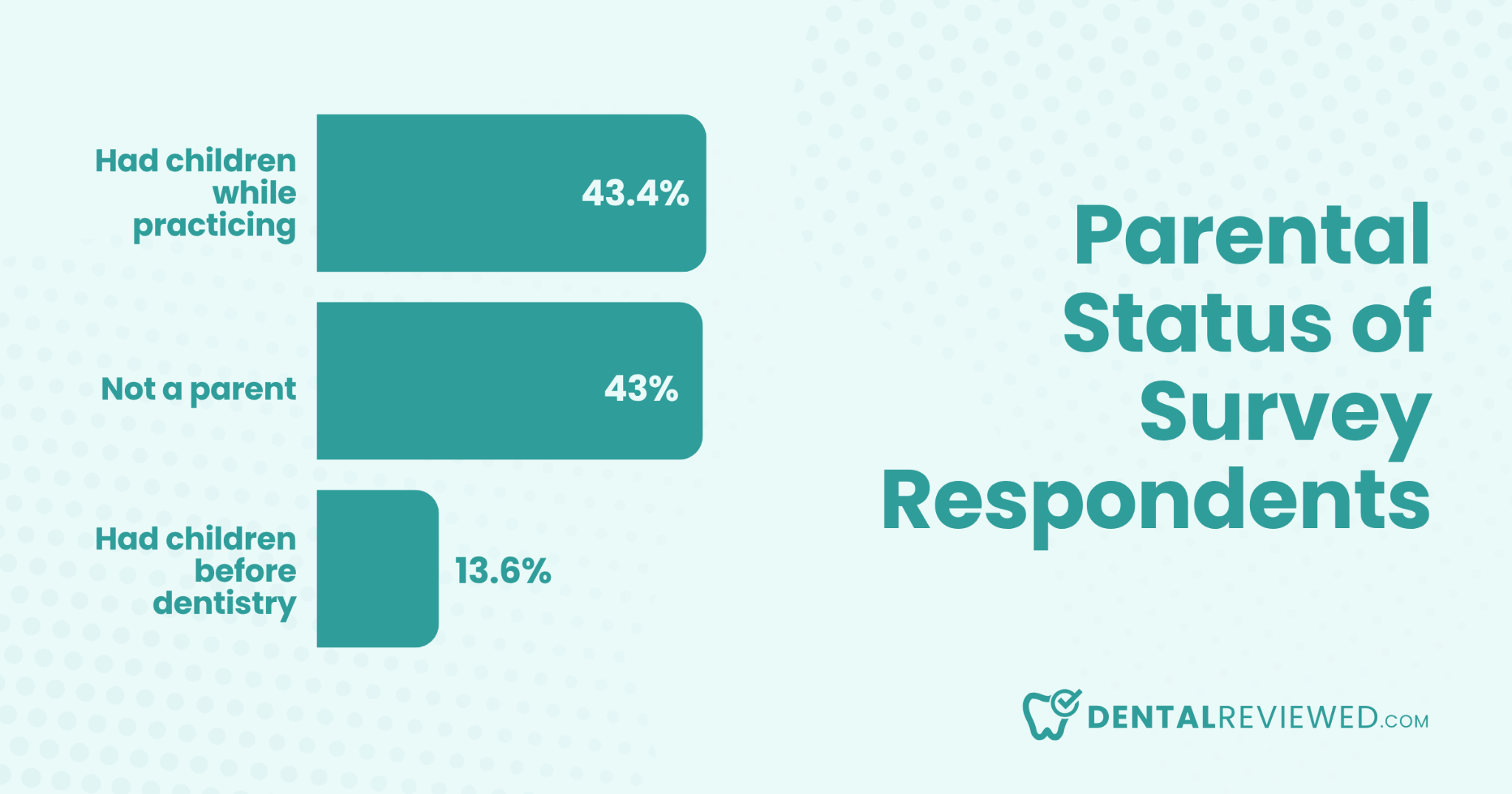
73 percent of parents report a career setback tied to having children. Only 27 percent report no noticeable career change.
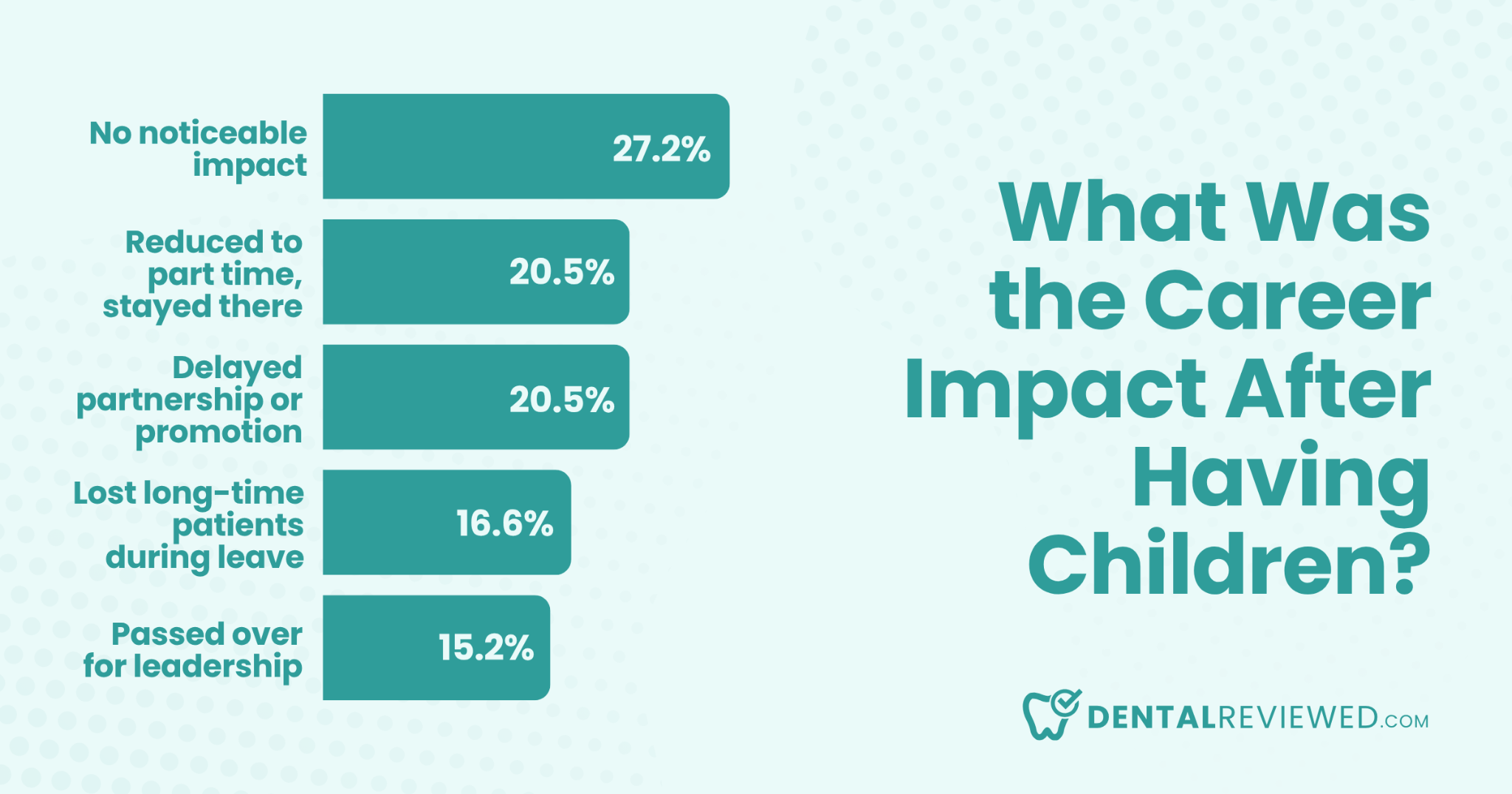
The most common outcomes tie directly to schedule and visibility. 21 percent reduced to part-time and never returned to full-time. Another 21 percent report a delayed partnership or promotion. 17 percent lost patients to colleagues during leave. 15 percent were passed over for a leadership role.
Income loss showed up often in the open answers too. Respondents described drops ranging from a fifth to a third of prior income. Most tied that drop directly to reduced hours after leave.
Parental leave pay varies widely across respondents. Only 10 percent of parents received fully paid leave. 30 percent received no pay at all during their leave.
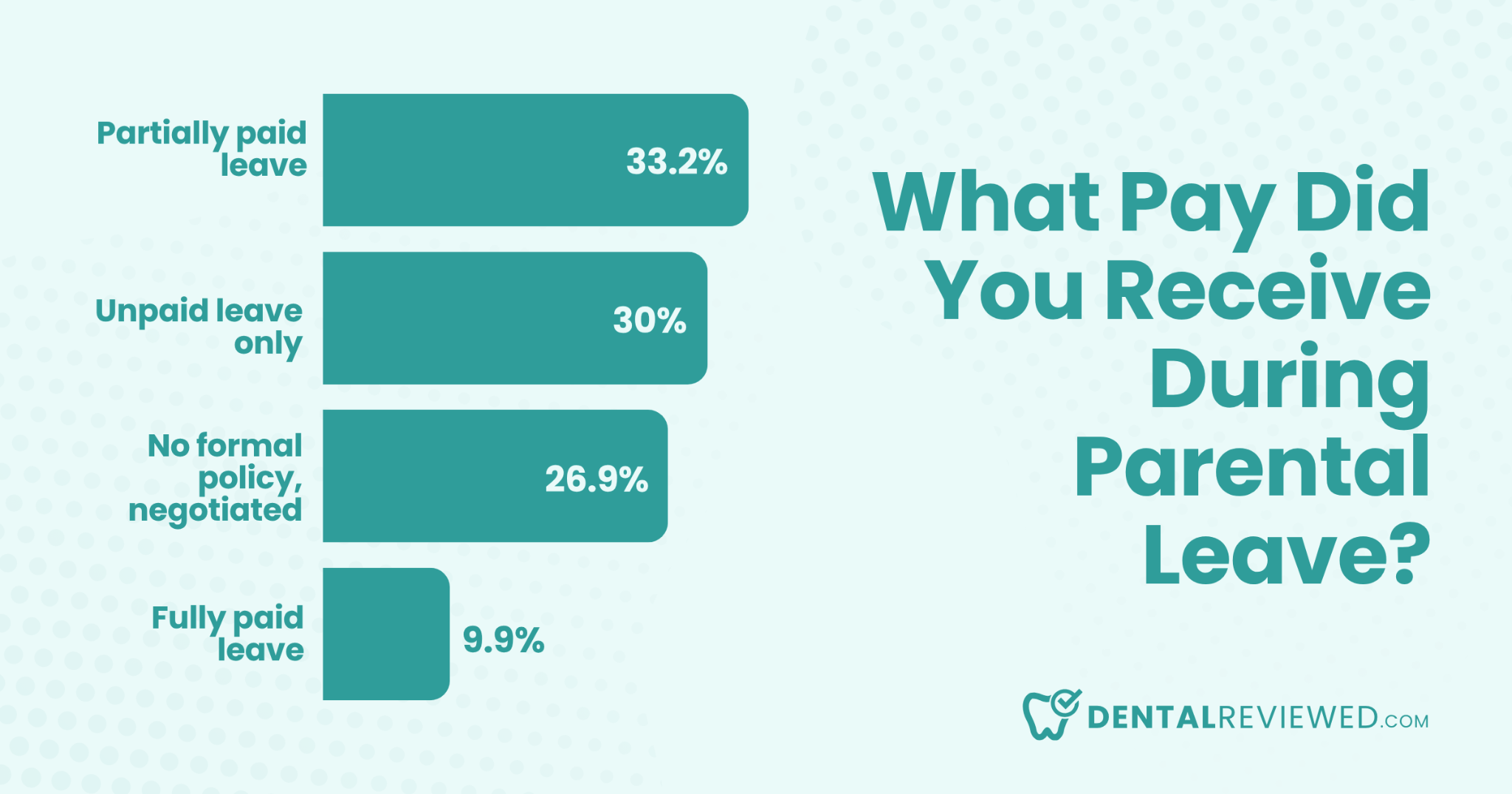
The pattern is sharpest for self-employed associates. In the UK, self-employed associates do not qualify for statutory maternity leave. This comes directly from 2025 guidance published by the British Dental Association. Pay depends entirely on what is written into an individual associate agreement.
How The Three Countries Compare
Country matters for how leave gets paid. The three countries in this survey handle parental leave in different ways.
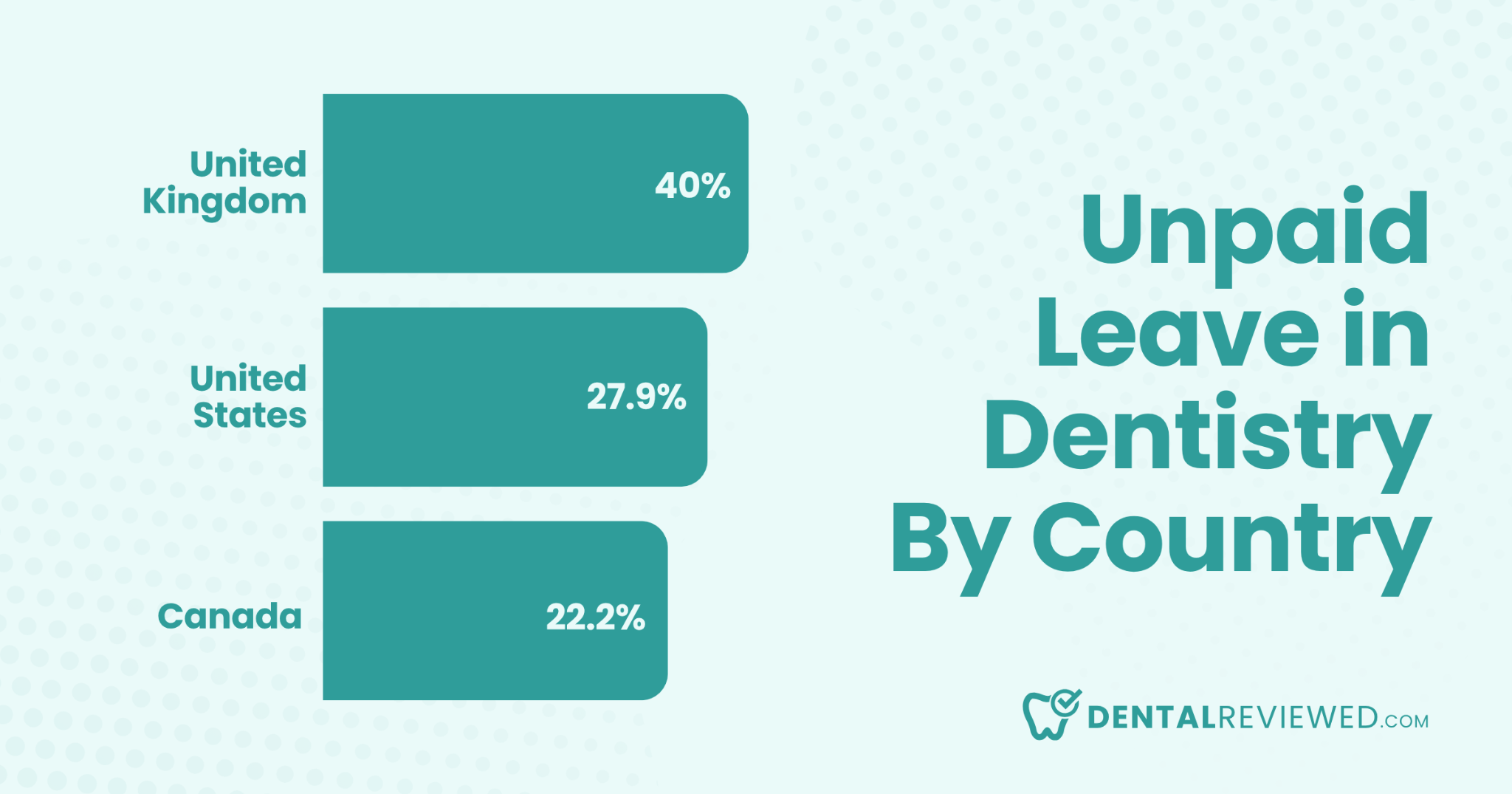
UK respondents report the highest rate of unpaid leave, at 40 percent. US respondents report 28 percent. Canadian respondents report the lowest, at 22 percent.
Women now make up close to 40 percent of practicing dentists in each country. In the US, women reached 39.6 percent of the dentist workforce in 2024. That is up from just 16 percent in 2001.
Canada sits at a similar level. About 40 percent of Canadian dentists are women, per the Canadian Dental Association's latest count. Gender parity is expected there by 2035, according to the data.
Ownership has not caught up with those numbers. Female dentists remain less likely to own a practice at every career stage. The gap runs 16 percentage points early in a career. It narrows to 8 points later on, per ADA Health Policy Institute research.
Earnings tell a similar story north of the border. The most recent study on this looked at the Canadian workforce. It ran in BMC Health Services Research. It found that female dentists earn 21 percent less than male dentists. That gap held even after adjusting for hours and region. The full data appears in the published study.
Ownership And Role Change: The Picture
Role and practice type shape how bias gets experienced. The survey data breaks out clearly by both. Seniority helps, but it does not remove the pattern on its own.
Solo and group practices report the highest rates of pricing bias. 33 percent of respondents in group practices report or suspect unequal financing terms. DSO-affiliated respondents report the lowest rate, at 14 percent. Centralized purchasing may remove some of the one-on-one negotiation where bias tends to creep in.
Practice ownership itself changes patient behavior too. Associates report a reassignment request 33 percent of the time. Practice owners report it 16 percent of the time. Title appears to shift a patient's first impression. The clinical skill on offer is often identical either way.
Clear, title-blind processes help close that gap. Practices comparing practice management and scheduling software often report smoother front-desk handoffs. A patient who books by specialty, not by name, has less room to request a swap.
What Would Actually Help
Respondents were specific about what would help most. The answers point to policy, not sentiment.
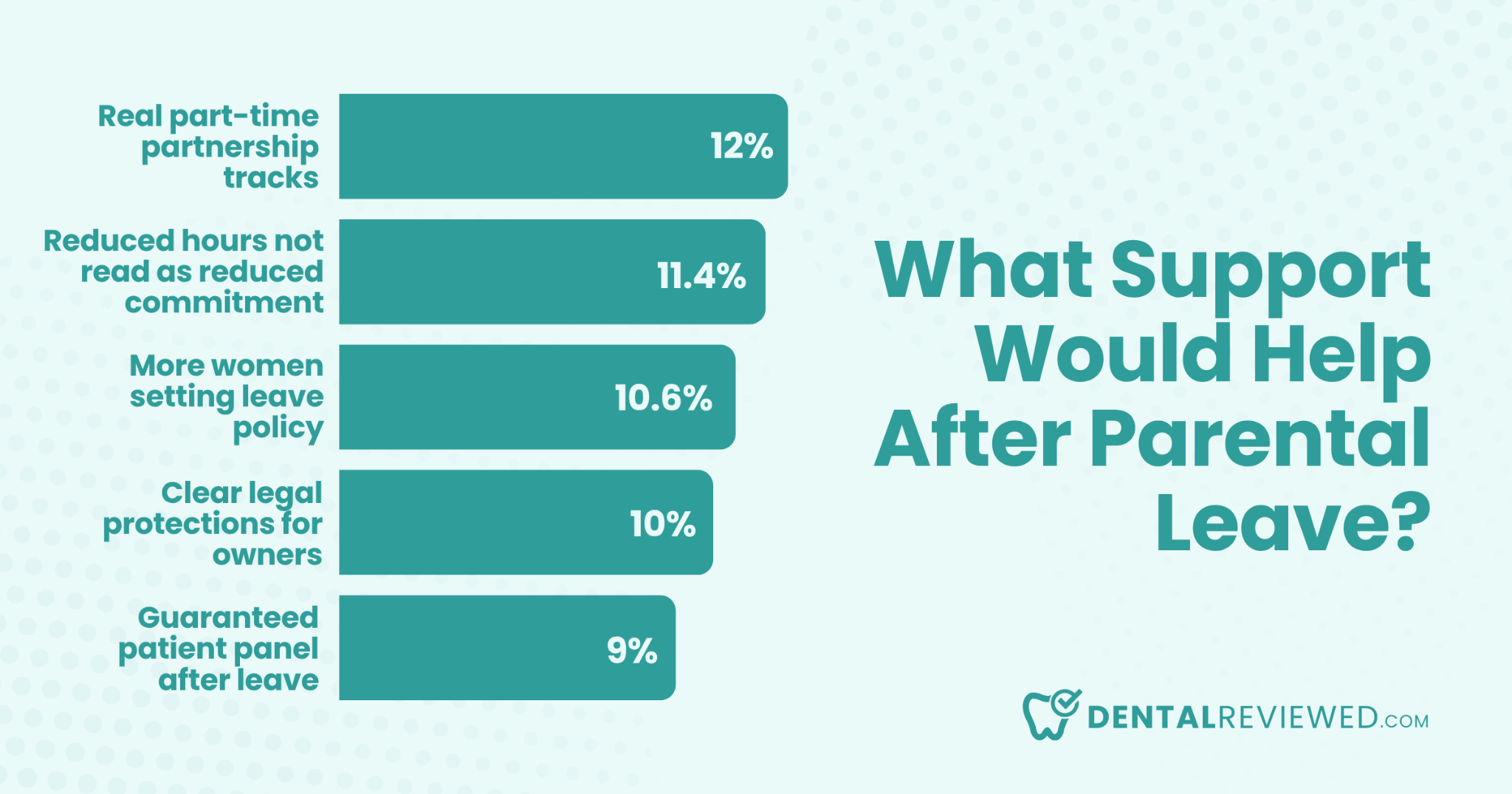
The top five requests, in order, were these:
Real part-time partnership tracks, not just part-time associate roles with no path forward
Colleagues treating reduced hours as reduced hours, rather than reduced commitment
More women setting leave policy, since decisions are often made by people who never took leave
Clear legal protections for self-employed and practice-owner dentists
Guaranteed patient panels after parental leave, instead of a rebuilt schedule on return
Every item on this list describes a specific policy change. None of them require a large budget to start. A written leave policy costs nothing but time.
Vendor training came up too, in the open answers. Respondents asked for standard training on treating every dentist in the room as a decision maker. A few said that single change would have prevented their worst equipment-buying experience entirely.
Bottom Line
Gender bias in dentistry shows up in three places for the women surveyed. It appears in vendor pricing, in patient requests, and in career outcomes after children. The pattern holds across the US, UK, and Canada.
Fixing it starts with clear, written policy. That means policy on leave pay, patient panels, and vendor conduct. Practices that write these policies down report fewer problems from their own staff.
"The fix is rarely complicated," Darius Kucinas said. "A written leave policy and a protected patient panel cost a practice almost nothing to put in place. What they buy back is a dentist who does not have to start over after having a baby."
None of the fixes respondents named are complicated. A written leave policy, a protected patient panel, and a clear standard for vendor conduct. Small, specific changes came up again and again. They marked the difference between a career setback and a normal year.
Frequently Asked Questions
What percentage of women in dentistry report vendor bias?
43 percent of the women surveyed report at least occasional differential treatment. This comes from an equipment vendor or sales rep and is tied to their gender.
How common is it for a patient to request a male dentist instead?
24 percent of respondents have had a patient ask to switch. The rate is highest among associates, at 33 percent.
Does having children affect a dental career?
Yes. 73 percent of parents in the survey report a career setback. Common outcomes include reduced hours, delayed partnership, or lost patients during leave.
Which country has the least paid parental leave for dentists?
The United Kingdom reports the highest rate of unpaid leave. That figure sits at 40 percent of parents surveyed there.
Are women dentists less likely to own their own practice?
Yes. ADA Health Policy Institute research shows a 16-percentage-point ownership gap early in a career. That gap narrows to 8 points later on.