Dental Equipment Explained: Enhancing Practice Efficiency
Most American dental practices invest over $50,000 each year in equipment upgrades and maintenance, yet common myths still cloud many purchasing decisions. For dental practice...
Written by Mantas Petraitis
Read time: 7 min read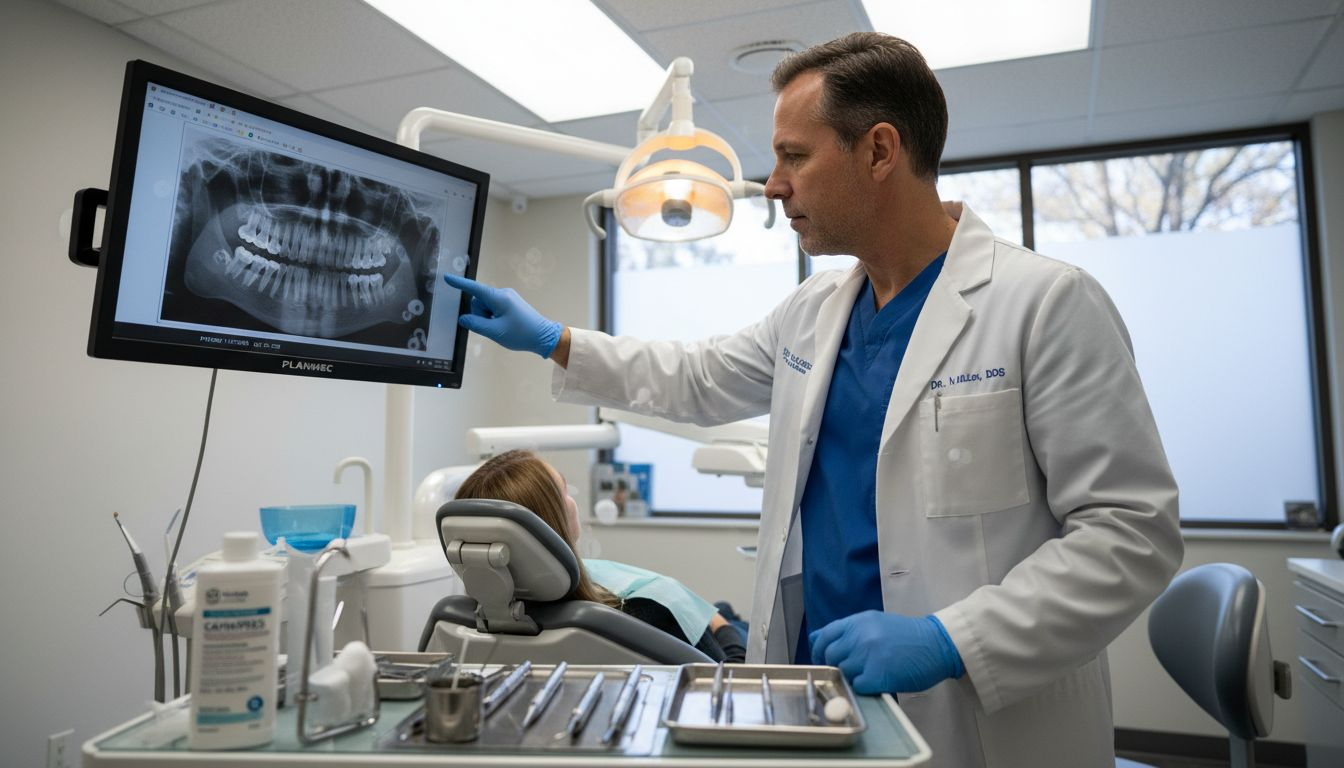
Most American dental practices invest over $50,000 each year in equipment upgrades and maintenance, yet common myths still cloud many purchasing decisions. For dental practice managers and procurement specialists, understanding the real capabilities and features of today’s high-tech instruments is vital for smarter investment and better patient outcomes. This guide sheds light on which modern tools truly deliver value while debunking misconceptions that can lead to costly mistakes.
Defining Dental Equipment and Common Myths
Dental equipment represents the sophisticated technological toolkit that enables modern dental professionals to deliver precise, efficient patient care. From diagnostic instruments to treatment devices, these specialized tools form the backbone of contemporary dental practice. Understanding their function and dispelling prevalent misconceptions is crucial for both practitioners and patients.
Contrary to popular belief, dental equipment is far more nuanced than simple metal tools. Technological evolution in dental instruments has transformed how clinicians diagnose, treat, and manage oral health conditions. Modern dental technologies integrate advanced sensors, digital imaging capabilities, and precision engineering that go well beyond traditional manual instruments.
Some common myths surrounding dental equipment persist in public perception. Patients often assume that dental tools are unchanged from decades past or that they are inherently uncomfortable or intimidating. In reality, contemporary dental devices prioritize patient comfort, minimize invasiveness, and maximize diagnostic accuracy. Precision engineering and ergonomic design have revolutionized how these instruments interact with the human body, making procedures significantly more comfortable and efficient.
Pro Tip: Always request a brief equipment explanation from your dental professional to understand the purpose and function of the tools being used during your procedure.
Main Types of Dental Equipment and Their Uses
Dental practices rely on a diverse array of specialized equipment that enables comprehensive patient care across multiple clinical domains. Comprehensive instrument classifications reveal the intricate ecosystem of tools designed to support diagnostic, preventative, and treatment procedures in modern dentistry.
Dental equipment can be broadly categorized into several key functional groups. Diagnostic instruments like mouth mirrors, explorers, and periodontal probes form the foundation of clinical examinations, allowing dentists to thoroughly inspect oral structures. Treatment-specific tools include rotary cutting instruments such as dental handpieces, which enable precise tooth preparation, restoration, and surgical interventions. Specialized periodontal and cleaning instruments play critical roles in maintaining oral hygiene and addressing specific dental health challenges.
Beyond traditional hand tools, contemporary dental practices increasingly incorporate advanced technological equipment. Digital imaging systems, intraoral cameras, laser technologies, and computer-assisted design and manufacturing (CAD/CAM) devices represent the cutting edge of dental diagnostic and treatment capabilities. These sophisticated instruments provide unprecedented precision, allowing dentists to perform minimally invasive procedures with greater accuracy and patient comfort.
Pro Tip: Request a brief overview of the equipment being used during your dental visit to better understand the technology supporting your oral healthcare.
Here's a comparison of diagnostic, treatment, and advanced dental equipment in terms of their role, technology level, and impact on patient care:
Category | Role in practice | Technology level | Impact on patient care |
|---|---|---|---|
Diagnostic Instruments | Examination and detection | Basic to moderate | Early issue identification |
Treatment Devices | Tooth preparation, repair | Moderate to advanced | Effective and precise results |
Advanced Technologies | Imaging, design, surgery | Highly advanced | Minimally invasive procedures |
Essential Features and Technology Innovations
Modern dental equipment has undergone remarkable technological transformation, driven by innovations that dramatically enhance diagnostic precision, treatment effectiveness, and patient experience. Cutting-edge dental technology innovations are reshaping how dental professionals approach patient care, integrating advanced materials, ergonomic designs, and sophisticated digital capabilities.
Key technological innovations now define contemporary dental equipment. Digital radiography systems have revolutionized imaging, providing lower radiation exposure and superior image quality compared to traditional X-ray technologies. Computer-aided design and manufacturing (CAD/CAM) systems enable dentists to create precise, custom prosthetics in a single appointment, dramatically reducing treatment times. Laser technologies have emerged as powerful tools for soft tissue procedures, offering unprecedented precision and minimizing patient discomfort. These advanced diagnostic technologies represent a quantum leap in dental practice capabilities.
Ergonomic design has become another critical feature in modern dental equipment. Manufacturers are increasingly focusing on reducing physical strain for dental professionals, developing instruments with lightweight materials, balanced weight distribution, and enhanced grip designs. Artificial intelligence is beginning to play a significant role, with AI-driven diagnostic tools capable of detecting potential oral health issues with remarkable accuracy. Nanotechnology and 3D printing are also emerging as transformative technologies, promising even more personalized and efficient dental solutions in the near future.
Pro Tip: Ask your dental professional about the technological capabilities of their equipment during your next visit to better understand how advanced tools contribute to your oral healthcare.
Regulatory Standards and Safety Protocols
Ensuring patient safety and equipment reliability requires a comprehensive framework of regulatory standards that govern dental equipment manufacturing, testing, and implementation. Global dental device regulations have evolved to create robust systems that protect patient health and maintain high-quality medical standards across international markets.
In the United States, the Food and Drug Administration (FDA) plays a critical role in dental equipment regulation. Medical devices are classified into three risk-based categories: Class I (low risk), Class II (moderate risk), and Class III (high risk). Each classification requires progressively more stringent testing and approval processes. Manufacturers must demonstrate device safety through extensive clinical trials, material compatibility testing, and comprehensive performance evaluations. Sterility, biocompatibility, and long-term durability are key considerations in the regulatory review process.
International standardization efforts have become increasingly important in dental equipment regulation. Organizations like the International Organization for Standardization (ISO) and the International Electrotechnical Commission (IEC) develop uniform guidelines that help harmonize safety protocols across different countries. These standards address critical aspects such as electrical safety, material composition, infection control requirements, and ergonomic design principles. Dental practices must not only comply with local regulations but also adhere to these international benchmarks to ensure the highest levels of patient care and equipment performance.
Pro Tip: Always verify that dental equipment in your practice meets current FDA classifications and international safety standards to maintain optimal patient care and legal compliance.
Cost, Maintenance, and Common Procurement Pitfalls
Dental equipment represents a significant financial investment for practices, requiring strategic procurement and ongoing maintenance to optimize operational efficiency and long-term cost-effectiveness. Comprehensive dental equipment maintenance is crucial for protecting this substantial investment and ensuring consistent performance.
Procurement challenges often stem from inadequate initial planning and a narrow focus on upfront costs. Dental practices must consider total cost of ownership, which includes not just the purchase price, but also maintenance expenses, potential repair costs, and long-term operational efficiency. Many practices make the mistake of selecting the cheapest equipment without evaluating its durability, compatibility with existing systems, and potential future upgrade paths. Proactive maintenance strategies can significantly reduce unexpected expenses and extend equipment lifespan.
A strategic approach to equipment procurement and maintenance involves several key considerations. Practices should develop a comprehensive maintenance schedule that includes regular inspections, calibration, and preventative servicing. This approach helps identify potential issues before they become costly breakdowns. Additionally, dental practices should prioritize equipment with robust warranty coverage, reliable vendor support, and documented performance history. Budgeting for ongoing maintenance and potential replacements is equally important, with experts recommending setting aside approximately 5-7% of annual revenue for equipment upkeep and potential upgrades.
Pro Tip: Create a detailed equipment maintenance log and schedule routine professional inspections to catch potential issues early and minimize unexpected repair costs.
The following table summarizes key considerations for dental equipment procurement and maintenance:
Consideration | Importance | Typical approach |
|---|---|---|
Total Cost of Ownership | Reduces financial surprises | Factor in purchase, repairs, upgrades |
Maintenance Schedule | Extends lifespan | Regular inspections and servicing |
Vendor Support | Ensures reliable backup | Choose reputable vendors |
Budget Allocation | Sustains operational efficiency | Allocate 5-7% yearly revenue |
Bottom Line
Investing in the right dental technology requires balancing advanced diagnostics, ergonomic design, regulatory standards, and proactive maintenance. When these elements align, practices deliver better patient outcomes, reduce operational headaches, and avoid costly surprises, transforming equipment decisions from confusing obstacles into strategic advantages.
Frequently Asked Questions
What types of dental equipment are essential in a dental practice?
Dental practices typically require diagnostic instruments like mouth mirrors and periodontal probes, treatment devices such as dental handpieces, and advanced technologies like digital imaging systems and laser tools for various procedures.
How has technology changed modern dental equipment?
Modern dental equipment integrates advanced features such as digital radiography, CAD/CAM systems for custom prosthetics, and ergonomic designs that enhance comfort and efficiency for both dental professionals and patients.
What are the benefits of using advanced dental technologies?
Advanced dental technologies improve diagnostic accuracy, allow for minimally invasive procedures, reduce radiation exposure, and enhance patient comfort, all contributing to better patient care.
How important is maintenance for dental equipment?
Regular maintenance is crucial to ensure the longevity and reliability of dental equipment. A comprehensive maintenance schedule, including inspections and servicing, helps to prevent costly repairs and ensures optimal performance.