The Ultimate Dental Chair Buying Guide in 2026
Your dental chair represents one of the most significant investments you will make for your practice. This single piece of equipment influences everything from patient comfort and...
Written by Marcus Hale
Read time: 10 min read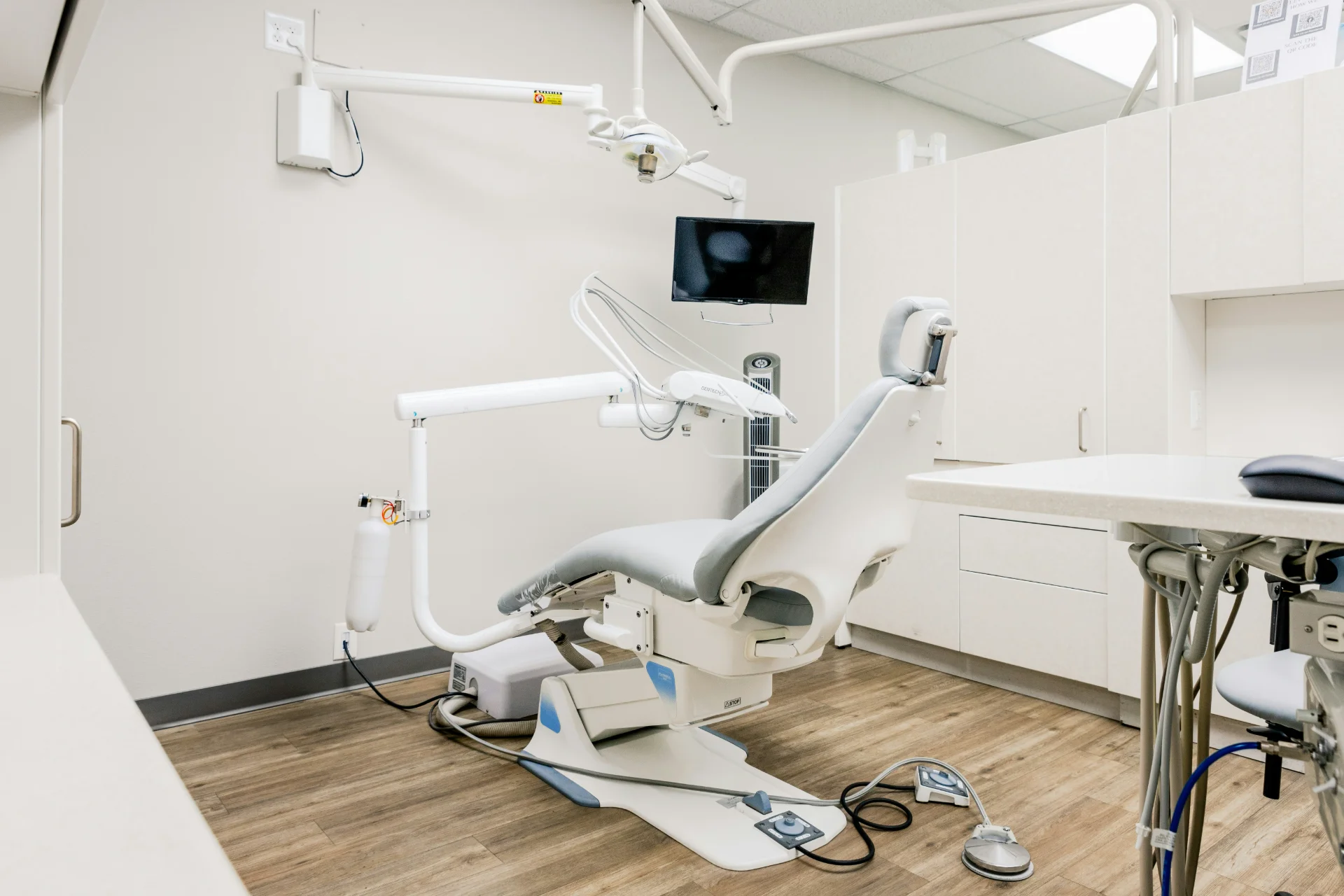
Your dental chair represents one of the most significant investments you will make for your practice. This single piece of equipment influences everything from patient comfort and treatment outcomes to practitioner health and operational efficiency. The global dental chair market reached $2.1 billion in 2025 and is projected to grow to $3.8 billion by 2034, reflecting the increasing emphasis dental professionals place on quality equipment.
Whether you are opening a new practice, expanding your operatory, or replacing aging equipment, this comprehensive guide will walk you through everything you need to know about selecting the right dental chair in 2026. You will learn about different chair types, essential features, pricing expectations, emerging AI technology, and infection control requirements.
Why Your Dental Chair Choice Matters
The dental chair serves as the operational centerpiece of every treatment room, affecting three critical areas of your practice.
A well-designed dental chair streamlines your clinical workflow through programmable positioning, intuitive controls, and seamless integration with your existing equipment. Chairs with memory presets allow you to transition quickly between procedures without manual adjustments. Research published in the International Journal of Dental Ergonomics indicates that practices using optimized ergonomic chairs report 14% faster procedure times compared to those using standard equipment.
Modern patients associate equipment quality with clinical competency. A clean, comfortable, technologically advanced chair builds trust from the moment patients sit down. Studies from the Journal of Dental Research demonstrate that patient anxiety levels decrease by up to 40% when optimal physical support is provided during procedures.
Musculoskeletal disorders affect between 68% and 100% of dental professionals. The right chair design can significantly reduce these risks. According to studies in the Journal of Dental Ergonomics, proper chair design reduces neck strain by up to 41% and back pain significantly. Practices using ergonomic chairs report 41% fewer staff absences due to musculoskeletal issues.
Types of Dental Chairs Explained
The dental chair market offers several distinct categories, each designed for specific clinical applications and practice requirements.
Electric Dental Chairs
Electric dental chairs use precision motors and electronic control systems to achieve positioning adjustments with exceptional accuracy, often within ±0.5mm. These chairs offer programmable memory positions, typically between six and twelve presets, allowing you to save frequently used configurations for different procedures. The electric segment is growing fastest in the market with a projected CAGR of 6.12% through 2034.
Electric chairs integrate seamlessly with practice management software and digital imaging equipment, making them ideal for practices investing in digital dentistry. They operate more quietly than hydraulic alternatives, typically producing sound levels below 55 dB compared to 55-65 dB for hydraulic systems. Expect pricing between $5,000 and $50,000.
Hydraulic Dental Chairs
Hydraulic dental chairs utilize pressurized fluid to control movement through a system of pumps, reservoirs, and control valves. These chairs deliver smooth, powerful movement regardless of patient weight, making them particularly suitable for practices serving patients with varying body types. The hydraulic system operates virtually maintenance-free under normal conditions.
The primary advantages include simpler controls, lower initial costs ranging from $1,000 to $10,000, and excellent durability under heavy use. However, hydraulic chairs require biannual fluid checks, offer limited programmability, and the hydraulic fluid requires careful handling due to environmental concerns.
Portable and Specialty Chairs
Portable dental chairs serve mobile clinics, community outreach programs, and practices requiring flexibility. These lightweight units offer quick setup and transportable designs. Modern portable chairs like the Aseptico ADC-02 provide foot-actuated hydraulic operation with adjustability comparable to standard chairs. Prices range from $500 to $7,000.
Specialty dental chairs address specific clinical applications, including pediatric chairs with smaller dimensions and anxiety-reducing features, surgical chairs with enhanced stability for implant procedures, and bariatric chairs accommodating patients weighing 400 to 600 pounds.
Essential Features to Look for in 2026
The features you prioritize should align with your practice specialty, patient demographics, and long-term goals. Understanding which capabilities matter most for your situation helps you avoid overspending on unnecessary features while ensuring you do not compromise on critical functionality.
Ergonomic Design for Practitioners
Ergonomic features directly impact your ability to practice comfortably throughout a long career. Look for thin, flexible backrests that allow optimal leg positioning so you can work with your thighs under the patient. Articulating headrests that maximize access to the oral cavity reduce the need for awkward reaching and twisting motions. The baseplate design should allow you to roll your stool close to the patient for better oral cavity access.
The A-dec 500 dental chair exemplifies ergonomic design with an ultra-thin backrest and slim-profile headrest that allow practitioners to maintain healthy posture with elbows relaxed at their sides. Features like pressure-sensitive lumbar support with 12-point sensor arrays can dynamically adjust seat depth during procedures, reducing lower back strain by up to 68% according to clinical studies. Auto-retract armrests with infrared sensors detect patient movement patterns, eliminating awkward practitioner leans that cause documented neck injuries.
Patient Comfort Features
Patient comfort directly affects treatment acceptance and anxiety levels. High-density memory foam cushioning adapts to individual body contours, distributing weight evenly and reducing pressure points by approximately 60% compared to traditional upholstery materials. The viscoelastic properties of medical-grade memory foam provide consistent support throughout extended procedures, proving particularly valuable during oral surgery and complex restorative treatments.
A well-designed chair will cradle and support the patient's body for a relaxed experience. Look for toeboards that simultaneously lift upon reclining to elevate the legs. Virtual pivot systems that automatically synchronize chair movement with natural body motion allow patients to achieve the supine position without stretching or repositioning.
Additional comfort features to consider include smooth, quiet movement transitions that avoid jarring starts and stops, heated seats for patient relaxation during cold months, swivel armrests for easy entry and exit, and extended height adjustment ranges to accommodate patients of varying statures. Headrests that automatically follow patient motion when the chair back is raised or lowered mean fewer adjustments for you and more comfort for the patient.
Infection Control Capabilities
The CDC recommends using surface barriers to protect clinical contact surfaces and changing these barriers between patients. The 2025 ADA Guidelines mandate that chair surfaces withstand at least 10,000 cycles of hospital-grade disinfectants without degradation.
Look for seamless upholstery designs with minimal joints, as gaps and seams harbor bacteria and complicate cleaning. Antimicrobial surface technologies using nano-silver or copper-infused materials provide continuous protection. Foot-operated controls reduce touchpoints by 30% to 50%, minimizing cross-contamination risks.
Technology Integration
Modern dental chairs increasingly serve as hubs for digital workflows. Look for integrated sensors, connection ports for imaging equipment, and compatibility with practice management software. Chairs supporting open architecture protocols offer superior future-proofing capabilities as technology evolves.
Electric vs. Hydraulic: Complete Comparison
The choice between electric and hydraulic systems represents one of the most fundamental decisions in dental chair selection.
Electric dental chairs excel in positioning accuracy, achieving precision within ±0.5mm through digital motor control. Pre-programmed settings enable rapid conversion between chair positions with consistent results. Hydraulic chairs offer smooth, powerful movement but with less precision than electric alternatives.
Patient comfort extends beyond physical support to the auditory environment. Advanced electric systems can function below 40 dB, while hydraulic systems typically operate at 55 to 65 dB. This difference proves particularly important for patients with dental anxiety.
Electric chairs generally require annual electronic system checks, while hydraulic chairs need biannual fluid analysis. Initial purchase prices favor hydraulic chairs starting around $1,000, compared to $5,000 or more for electric units. However, the total cost of ownership often shifts this equation due to lower maintenance costs for electric systems.
Factor | Electric | Hydraulic |
|---|---|---|
Initial cost | $5,000 to $50,000+ | $1,000 to $10,000 |
Positioning accuracy | ±0.5mm | Manual adjustment |
Noise level | 40 to 55 dB | 55 to 65 dB |
Maintenance | Annual | Biannual |
Programmable positions | Yes, 6 to 12 presets | Limited or none |
Top Dental Chair Brands in 2026
The dental chair market includes manufacturers ranging from premium domestic brands to value-oriented international options. Your choice should balance quality, features, support infrastructure, and budget constraints.
Premium Brands
A-dec continues to dominate the premium segment with meticulous attention to ergonomic precision and operational reliability. Founded in 1964, the company has pioneered numerous innovations in dental chair design. A-dec chairs are designed for a 20-year service life, backed by industry-leading 10-year warranties on all new chairs purchased from authorized dealers. According to a 2025 practitioner survey, A-dec chairs were rated highest for long-term reliability, with 94% of owners reporting satisfaction after five or more years of continuous use. Expect pricing between $10,000 and $30,000.
Dentsply Sirona leads in AI-guided positioning and integrated digital workflows. Formed through the 2016 merger of Dentsply International and Sirona Dental Systems, this global enterprise operates across 40+ countries. Their flagship chairs synchronize with CEREC systems, automatically adjusting height and tilt during restoration procedures to optimize practitioner positioning. Independent laboratory testing confirms their UV-C sterilization cycles achieve 99.97% pathogen elimination in waterlines. Pricing ranges from $9,999 for refurbished models to $50,000 for premium configurations.
Planmeca offers advanced AI algorithms for real-time positioning adjustments and comprehensive digital integration. Their chairs feature sophisticated ergonomic systems designed to reduce musculoskeletal stress while maintaining patient comfort during extended procedures.
Mid-Range and Value Options
Midmark provides durable, affordable dental chairs known for reliability and ease of maintenance. Their models offer good ergonomic features and dependable performance for practices seeking quality without premium pricing. Service networks are well-established throughout North America.
Takara Belmont combines traditional Japanese craftsmanship with cutting-edge technology. Their chairs are renowned for precision engineering and reliability, offering a balance between premium features and accessible pricing for established practices.
Anya Medical has earned a strong reputation for quality products and innovative designs since 2007. With ISO 13485 certification and presence in over 150 countries, their chairs feature Taiwan Timotion motors delivering ±0.02mm positioning accuracy with 15 to 20 year operational lifespans. Clinical trials indicate practices using Anya chairs report 41% fewer staff absences due to musculoskeletal issues and 14% faster procedure times due to optimized ergonomics. ZIANN offers high cost-performance ratios suitable for mid-range markets, while Runyes delivers essential features at accessible price points for budget-conscious practices.
Dental Chair Pricing: What to Expect
Understanding the pricing landscape helps you establish realistic budget expectations and identify where to allocate resources for maximum value. The price of a dental chair varies widely based on brand, features, technology, and customization options.
Entry-level chairs ($1,000 to $5,000) provide essential functionality for budget-conscious practices or those just starting out. These models typically include manual or basic hydraulic height adjustments, standard upholstery, and fundamental patient positioning. While they may lack advanced features, quality entry-level chairs deliver reliable performance for general dentistry applications.
Mid-range chairs ($5,000 to $15,000) strike the balance between advanced features and affordability that suits growing practices. These models typically offer electric adjustments, programmable memory settings, LED lighting, and improved ergonomic designs. Many include basic digital integration capabilities and compliance with current infection control standards.
Premium chairs ($15,000 to $50,000+) incorporate cutting-edge technology, including AI-powered positioning, integrated diagnostic tools, cloud connectivity, and advanced infection control systems. These chairs offer the most sophisticated ergonomic features, the longest warranties, and the best support infrastructure. Premium investment makes sense for practices performing complex procedures, those prioritizing practitioner health, specialty practices with demanding requirements, and high-volume clinics where efficiency gains compound over time.
Plan for hidden costs, including installation ($500 to $2,000), electrical or plumbing modifications if your operatory requires upgrades, training time for staff, maintenance contracts, replacement parts, and upholstery replacement every five to seven years. Consider the total cost of ownership rather than the initial purchase price alone when comparing options.
AI and Smart Technology in Modern Dental Chairs
The integration of artificial intelligence represents the most significant advancement in dental chair design for 2026.
AI-Powered Positioning
The 2025-2026 generation of dental chairs incorporates AI algorithms analyzing patient body metrics in real-time. These systems reduce practitioner fatigue by up to 42% while decreasing patient anxiety by approximately 37%. Body position tracking provides real-time analysis of practitioner posture with suggestions for ergonomic improvements. Some chairs feature vibration alerts when posture exceeds safe parameters.
Predictive Maintenance
Machine learning algorithms now monitor dental chair systems to identify potential mechanical issues before equipment failure. These systems track hydraulic pressure deviations, motor temperature fluctuations, and abnormal joint resistance. Research indicates predictive maintenance can extend operational lifespan by up to 40% while reducing lifetime maintenance costs by approximately 35%.
Integrated Diagnostics
Premium dental chairs function as diagnostic hubs with built-in radiographic sensors and intraoral cameras, reducing diagnostic time by up to 47% while improving accuracy by approximately 33%. IoT sensors provide real-time chair utilization data for optimized scheduling and workflow analysis.
Infection Control: A Critical Buying Factor
Infection control capabilities have become paramount in dental chair selection.
The CDC recommends establishing policies for routine cleaning and disinfection, using surface barriers for difficult-to-clean surfaces, and disinfecting unprotected surfaces with EPA-registered hospital disinfectants after each patient. The American Dental Association urges compliance with CDC guidelines for all infection control procedures.
Advanced chairs incorporate UV-C disinfection, achieving 99.97% pathogen reduction in 90 seconds. Antimicrobial surfaces provide continuous protection, with Johns Hopkins trials demonstrating 33% fewer post-procedure infections in clinics using these technologies.
Step-by-Step Buying Checklist
A systematic approach helps ensure you consider all relevant factors.
Assess Your Practice Needs
Start with an honest evaluation of your requirements. Consider patient demographics, procedure types, and daily volume. Higher volume practices benefit more from time-saving features like programmable positions. Solo practitioners may prioritize reliability and essential ergonomic features.
Evaluate Your Space
Measure your operatory carefully. Minimum dimensions are 60 inches wide and 70 inches deep for four-handed dentistry. The distance from headwall to headrest in the supine position should be 42 to 44 inches. Verify electrical and plumbing infrastructure compatibility.
Test Before Buying
Never purchase without hands-on evaluation. Visit showrooms or trade shows. Sit in the chair as a patient to evaluate comfort. Have a colleague sit while you simulate treatment to assess ergonomic positioning. Test all controls while wearing gloves.
Compare Warranties and Support
Industry standard is five years for parts, with A-dec offering 10-year warranties. Ensure coverage includes mechanical and electronic components. Verify service response times and parts availability.
Installation and Maintenance
Electric dental chairs require dedicated electrical circuits meeting manufacturer specifications. Verify water supply and drainage access points align with installation locations.
Electric systems require annual service, including electronic verification and motor inspection. Hydraulic chairs require biannual fluid analysis. Quality upholstery typically needs replacement every five to seven years. Chairs with tool-free access panels simplify routine maintenance.
Financing and ROI
Equipment leasing preserves capital while purchase builds equity. Section 179 deductions allow a full purchase price deduction in the acquisition year. The Equipment-as-a-Service segment represents the fastest-growing distribution channel through 2034.
Quality chairs deliver returns through improved patient retention, reduced practitioner absences, and increased procedure capacity. Practices report ROI periods of three to five years for premium chairs.
Common Mistakes to Avoid
Learning from others' missteps helps you make informed decisions:
Prioritizing purchase price over total cost of ownership
Ignoring ergonomic certification requirements
Overlooking infection control compliance
Purchasing without hands-on testing
Neglecting warranty terms and support infrastructure
Underestimating installation requirements
Choosing impressive features over proven reliability
Failing to consider patient demographics
Skipping maintenance planning
Bottom Line
Selecting the right dental chair requires balancing ergonomics, patient comfort, infection control, technology integration, and budget constraints. The time you invest in thorough evaluation pays dividends throughout the 10 to 20 year lifespan of quality equipment.
Start with a clear understanding of your practice needs and patient demographics. Evaluate your space and infrastructure requirements. Test chairs personally and gather input from your team. Compare warranties, support infrastructure, and total cost of ownership rather than focusing solely on purchase price.
The dental chair market in 2026 offers unprecedented technological sophistication across all price ranges. Whether you select a premium AI-equipped unit or a reliable value-oriented chair, prioritize ergonomic design that protects practitioner health and infection control features that ensure patient safety. Your dental chair shapes patient experiences, influences practitioner wellbeing, and affects practice efficiency for years to come. Choose wisely, and your chair will serve as a reliable foundation for excellent patient care throughout its service life.
Frequently Asked Questions
How long should a dental chair last?
Quality dental chairs are designed for 10 to 20 years with proper maintenance. A-dec designs chairs for a 20-year service life under normal use. Actual longevity depends on use intensity, cleaning frequency, preventive maintenance, and environmental conditions. Chairs with readily replaceable components like upholstery and hydraulic systems can extend serviceable life through targeted refurbishment.
What is the best dental chair brand?
The best brand depends on your specific needs and budget. A-dec, Dentsply Sirona, and Planmeca lead the premium segment with advanced features and extensive support networks. Midmark and Takara Belmont offer strong mid-range options, balancing quality and value. Anya Medical and ZIANN provide reliable equipment at accessible prices for budget-conscious practices.
Should I buy new or refurbished?
Refurbished chairs save 40% to 60% compared to new equipment. Quality refurbishment involves complete disassembly, cleaning, component replacement, new upholstery, and thorough testing. Verify the refurbishment process and confirm warranty coverage of at least one year. Reputable sources can provide equipment performing comparably to new units at significant savings.
What warranty should I look for?
Industry standard is five years for parts. Premium brands like A-dec offer 10-year warranties on new chairs. Ensure warranty terms cover both mechanical and electronic components. Evaluate the manufacturer's service network and response time commitments alongside warranty duration.
How much space do I need?
Minimum operatory dimensions are approximately 60 inches wide and 70 inches deep for four-handed dentistry. The distance from the headwall to the top of the headrest in supine position should measure between 42 and 44 inches for proper ergonomic positioning.
Electric or hydraulic: which is better?
Neither is universally superior. Electric offers precision, programmability, quiet operation, and lower long-term maintenance. Hydraulic provides lower initial costs, simpler operation, and excellent performance under heavy loads. Choose based on your practice priorities and budget constraints.